Five key installations at the V&A – Alicja Patanowska at V&A – All photos are courtesy of the London Design Festival 2025.
Design. This year, the V&A’s London Design Festival programme, co-curated by Carrie Chan and Kristian Volsing, explores how design can spark conversations around the pressing issues of our times. Our pick of five key installations includes reflections on natural resources, meditations on artificial intelligence, and, ultimately, questions of identity, home, and belonging.

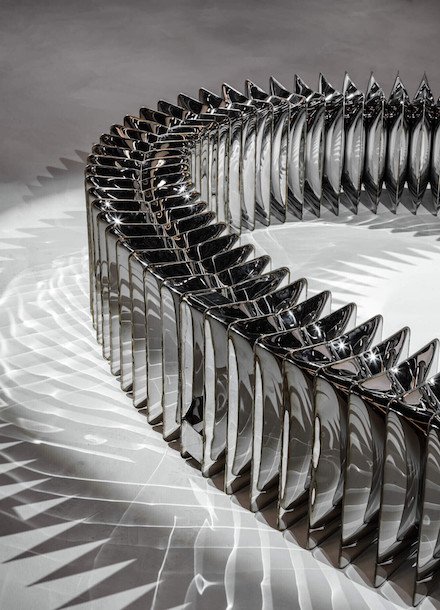
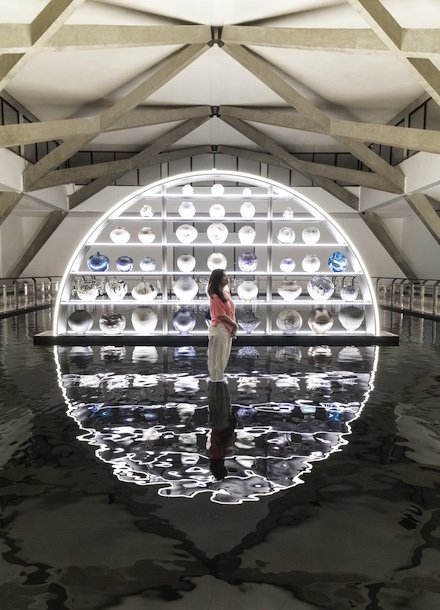
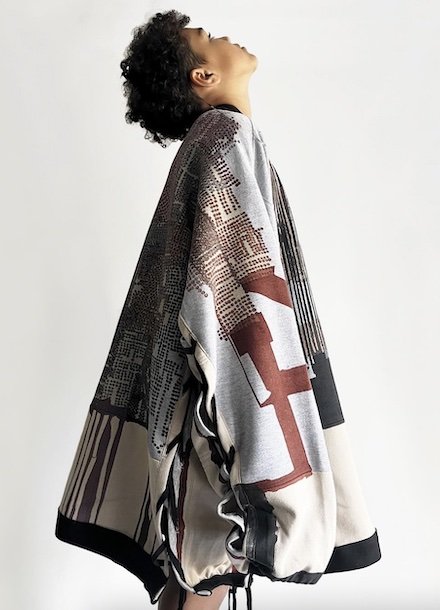
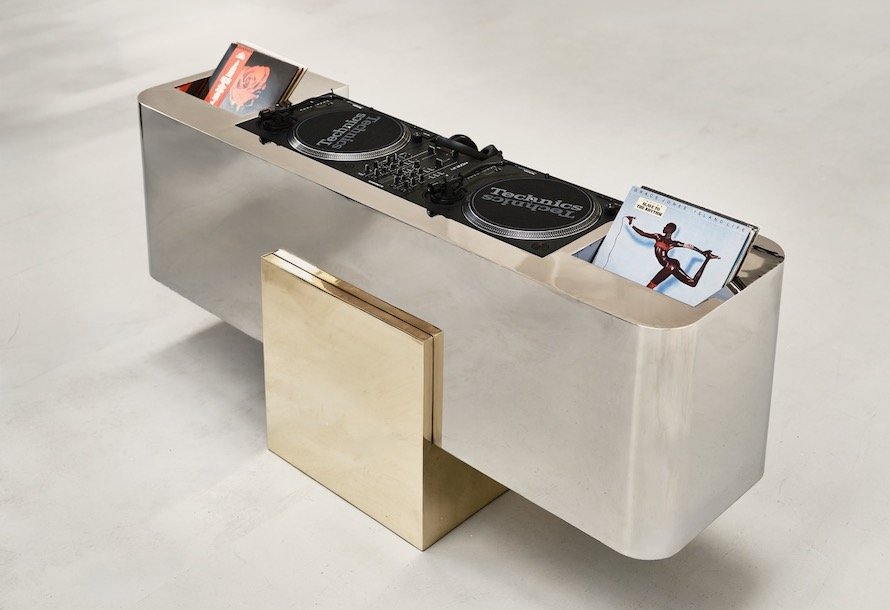
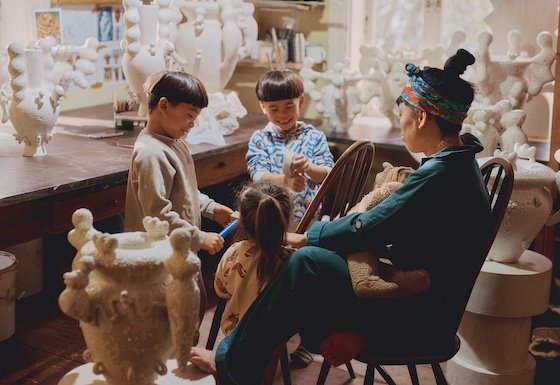
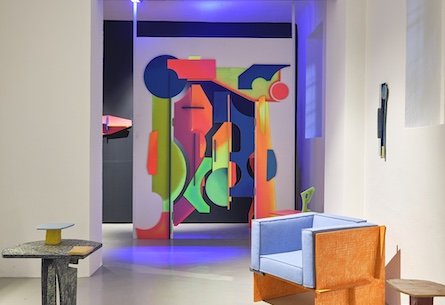
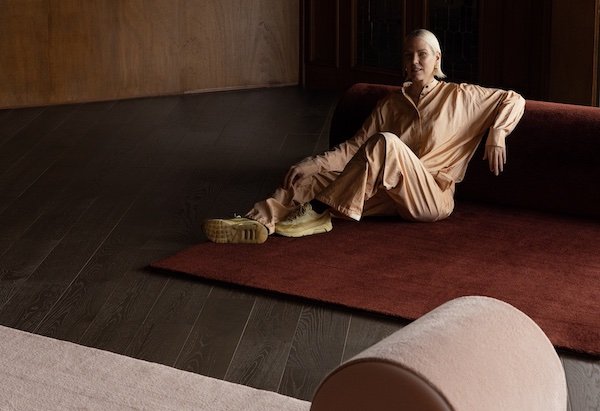
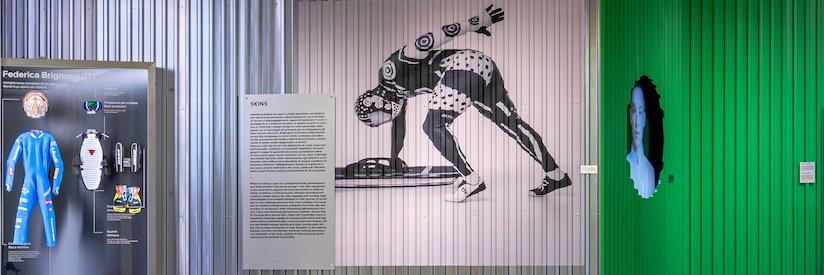
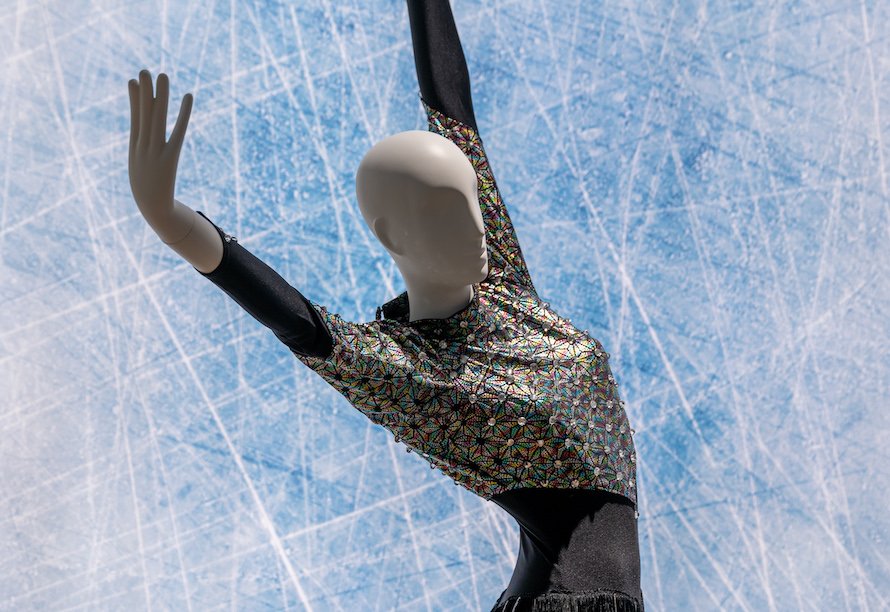
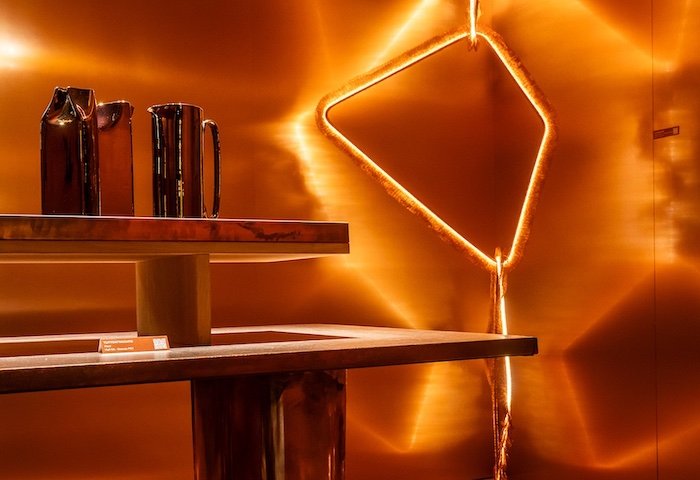
Born and raised in Hiroshima, artist Ryunosuke Okazaki translates a personal wish for peace into his JOMONJOMON series of garments. The pieces draw on the Jōmon period’s sculptural pottery—among the earliest known clay works. With their ritualistic symbolism and reverence for nature, the vessels inspired Okazaki’s futuristic silhouettes. Symmetrical yet fluid, his pieces embody both resilience and fragility, bridging millennia of cultural memory with bold contemporary form. It’s wearable art charged with hope for life’s blessings.

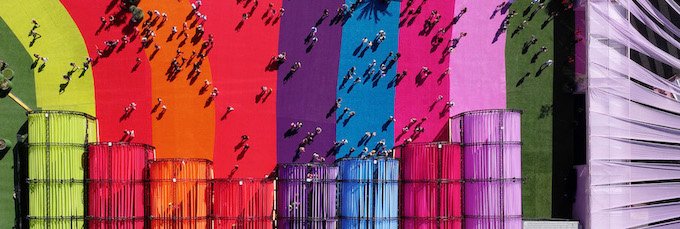
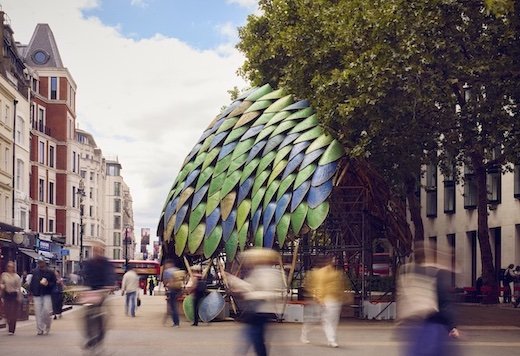
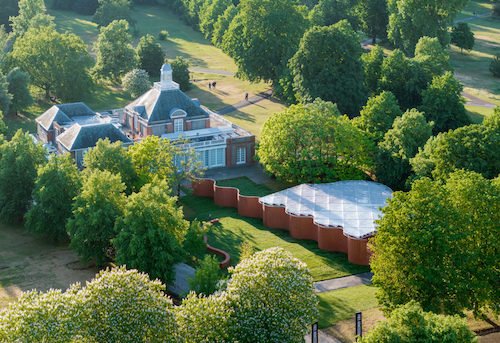
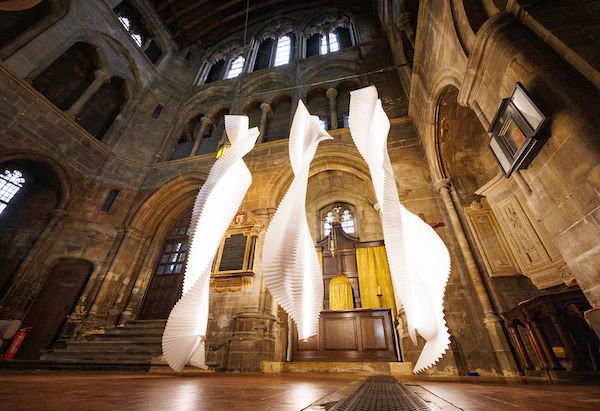
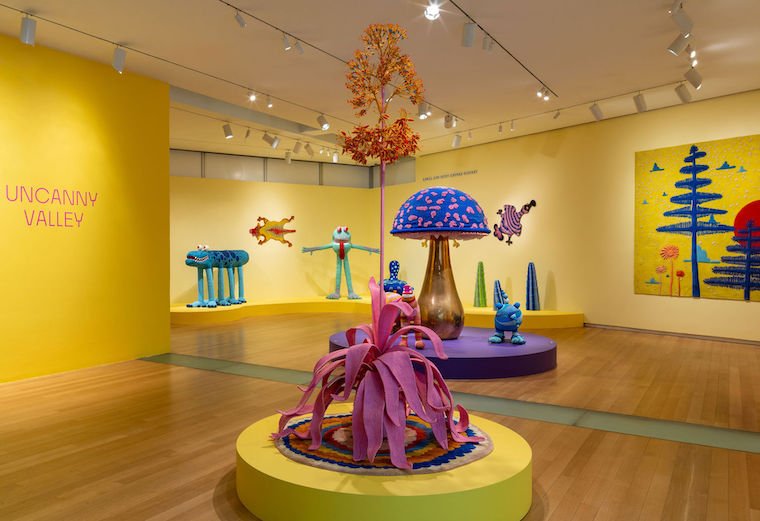
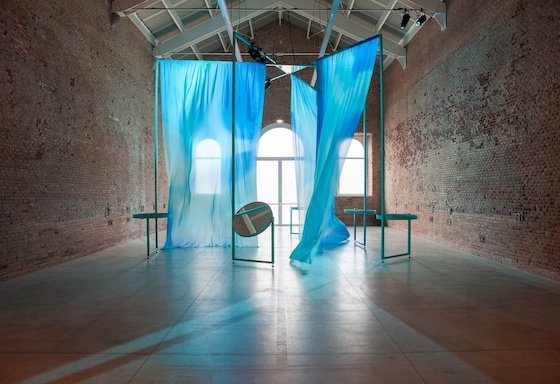
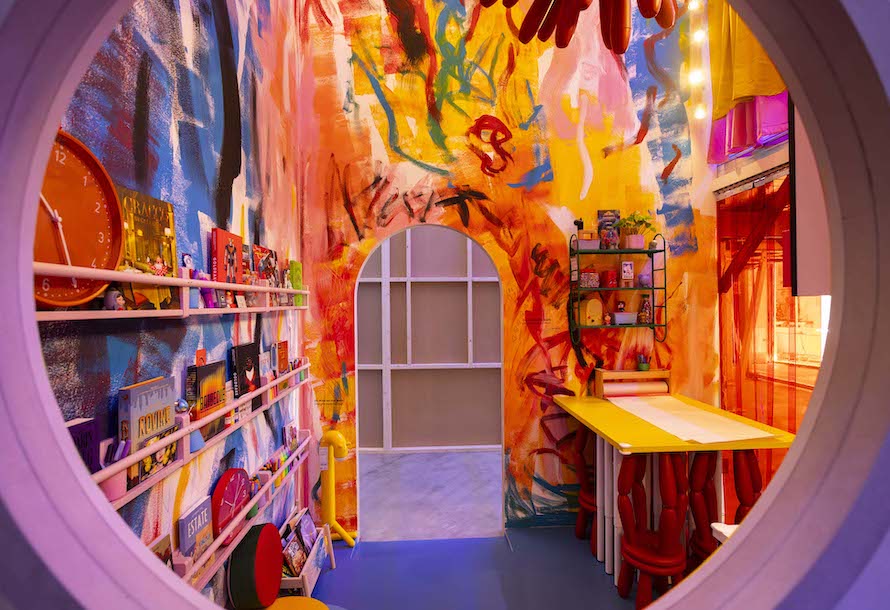
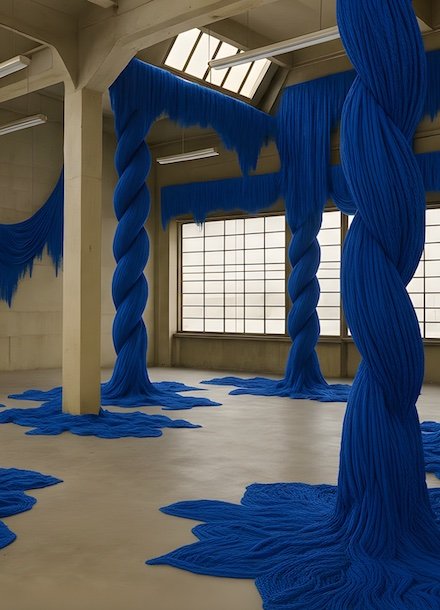
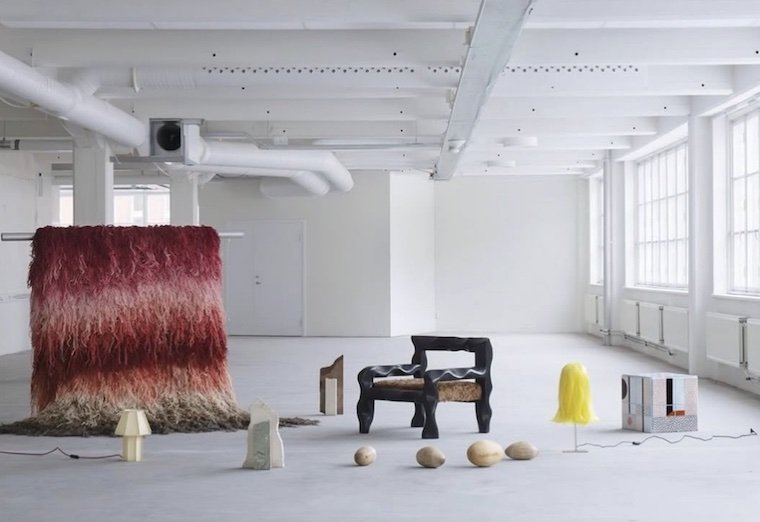
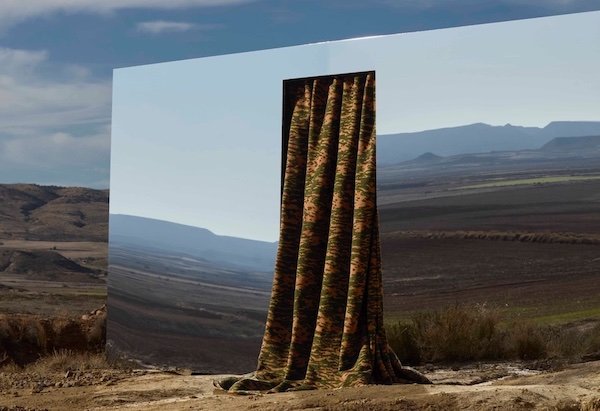
Thai artist Jakkai Siributr transforms The Globe pavilion into an immersive textile world with There’s No Place. The project arises from his engagement with the refugee crisis on the Thai-Burma border, linking displaced Shan communities with global audiences. Participants embroider personal responses into the work, weaving collective narratives of loss, hope, and identity. By encouraging touch and dialogue, the installation blurs the line between citizen and refugee, turning fabric into a shared language of belonging.
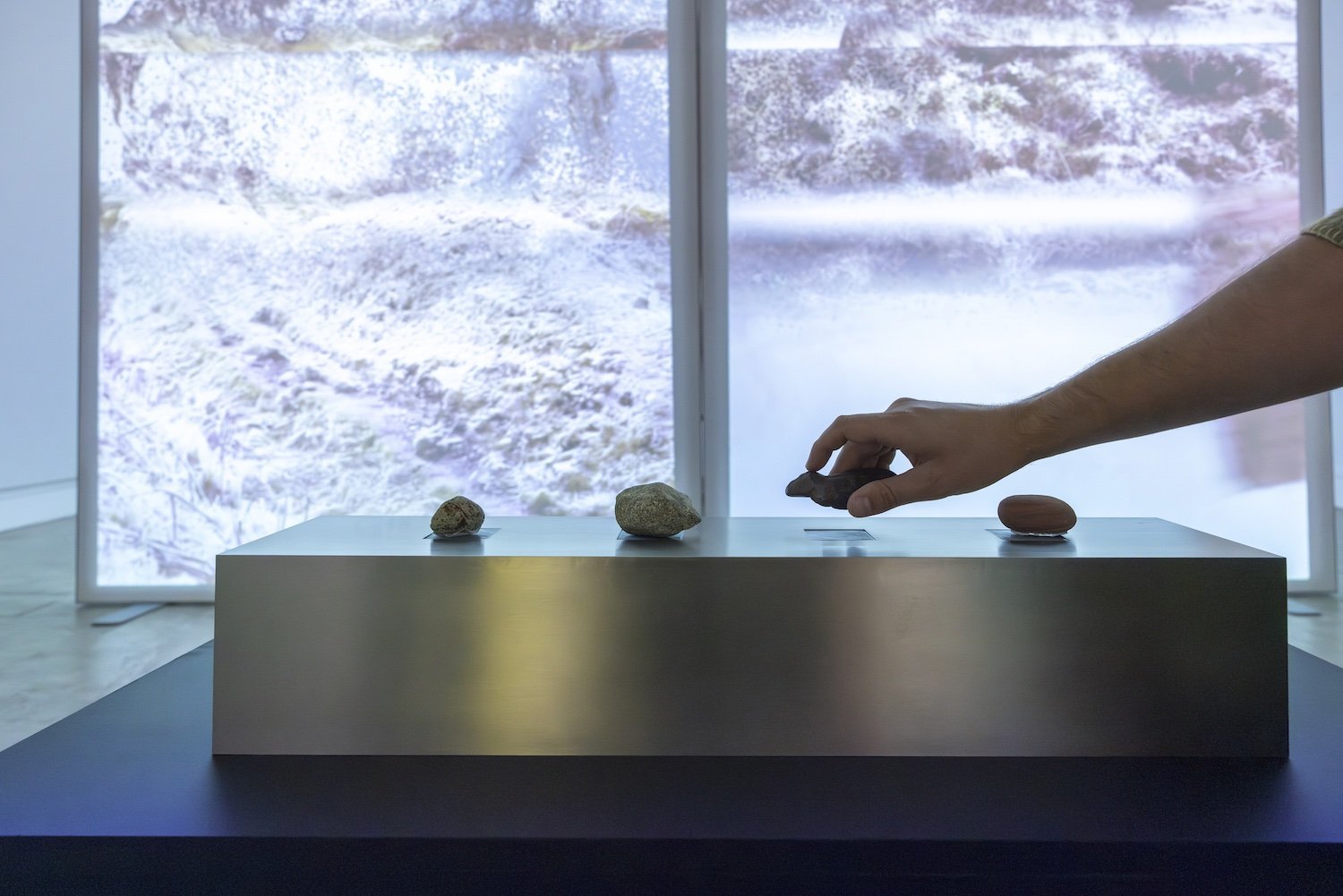
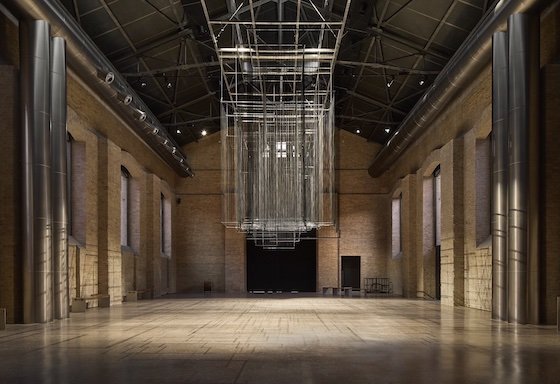
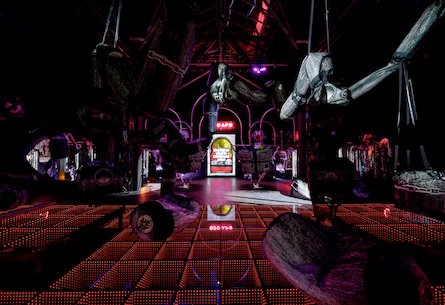
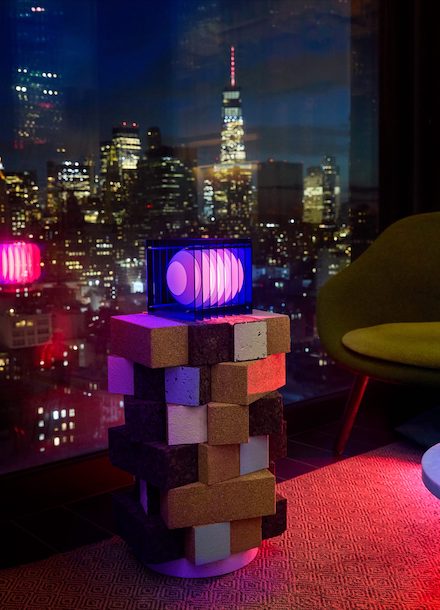
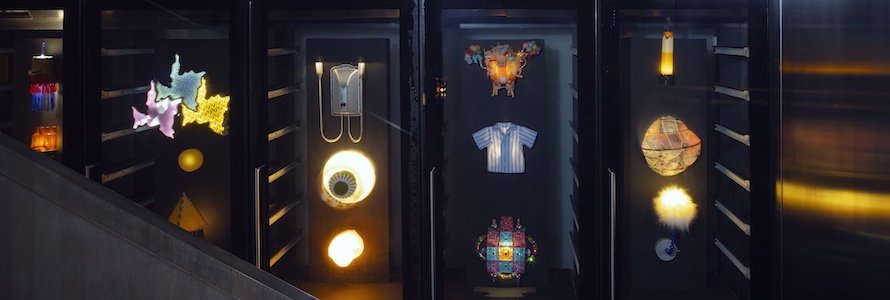
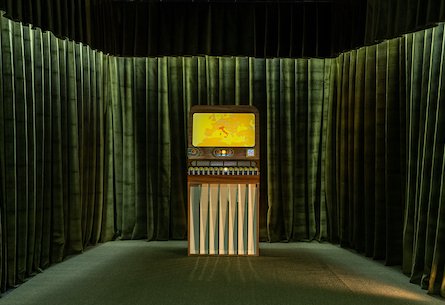
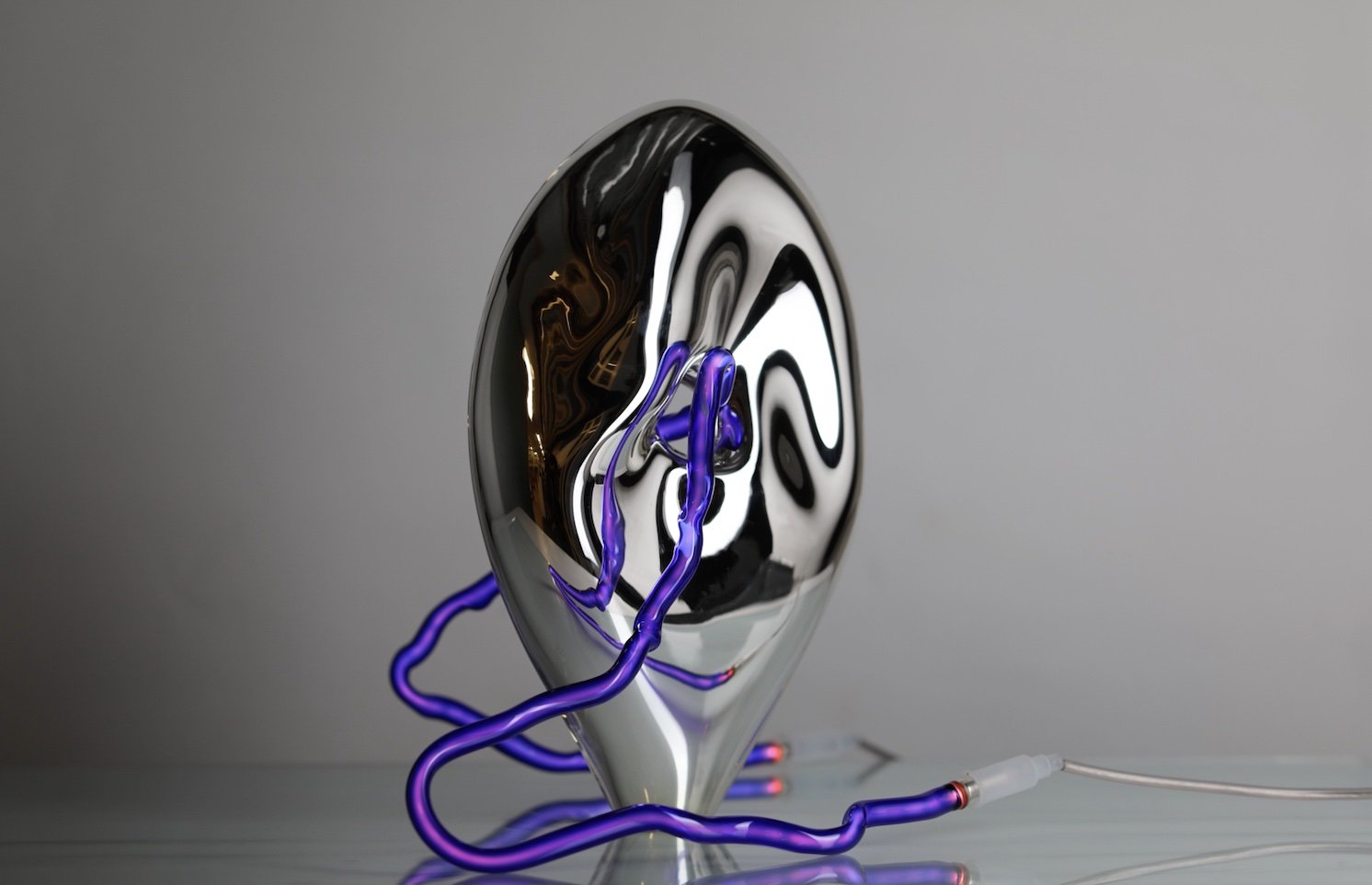
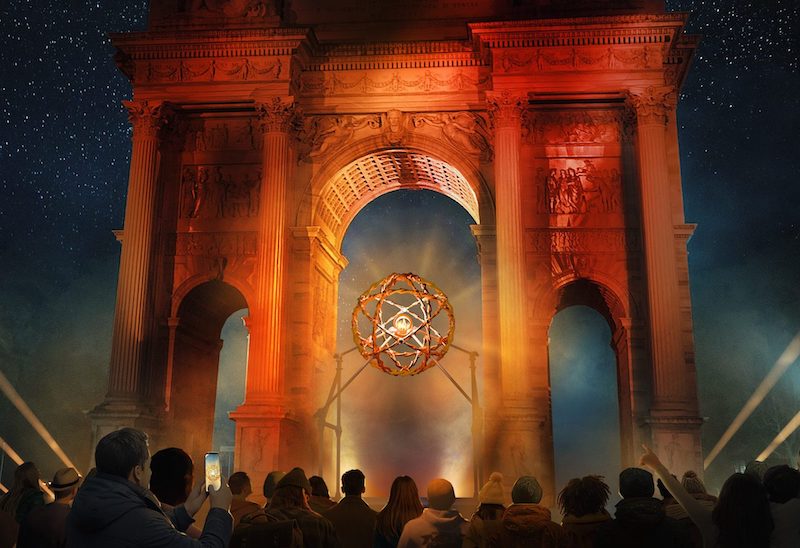
Studio Above&Below’s (S)Low-Tech AI examines artificial intelligence through the lens of geology. Touch-responsive rocks generate evolving digital landscapes that shift in response to collective input. “A lot of AI we see today is quick and rapid,” notes Perry-James Sugden. “This project is very much about slowing down, not getting this sort of instant reward through interfacing with this work, but spending time with it.” Drawing on ancient Scottish stone carvings, the installation treats AI as a slow, ethical, and materially aware process.

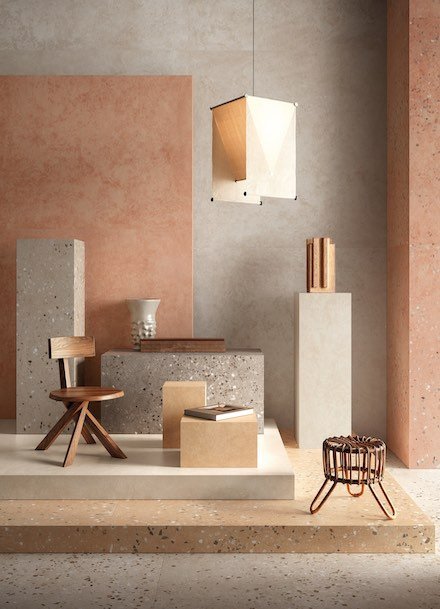
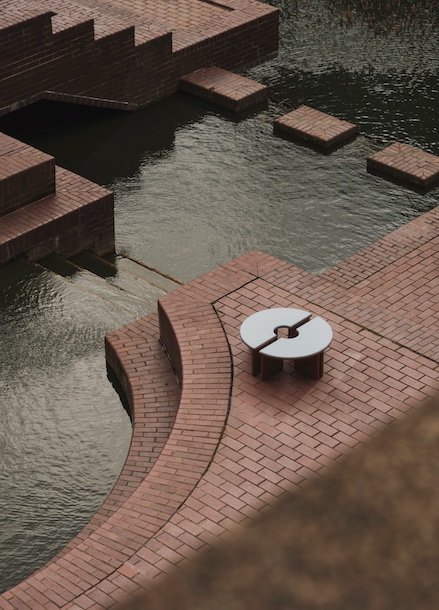
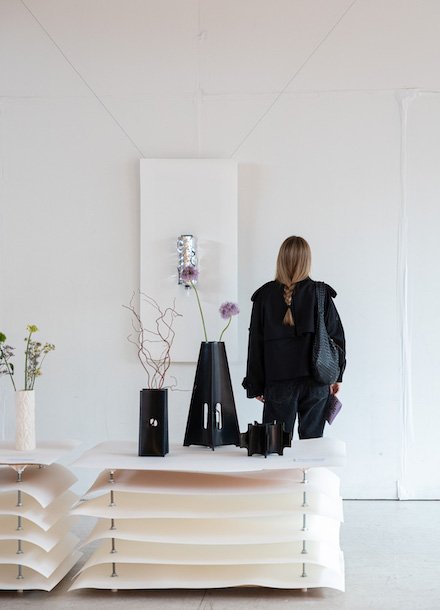
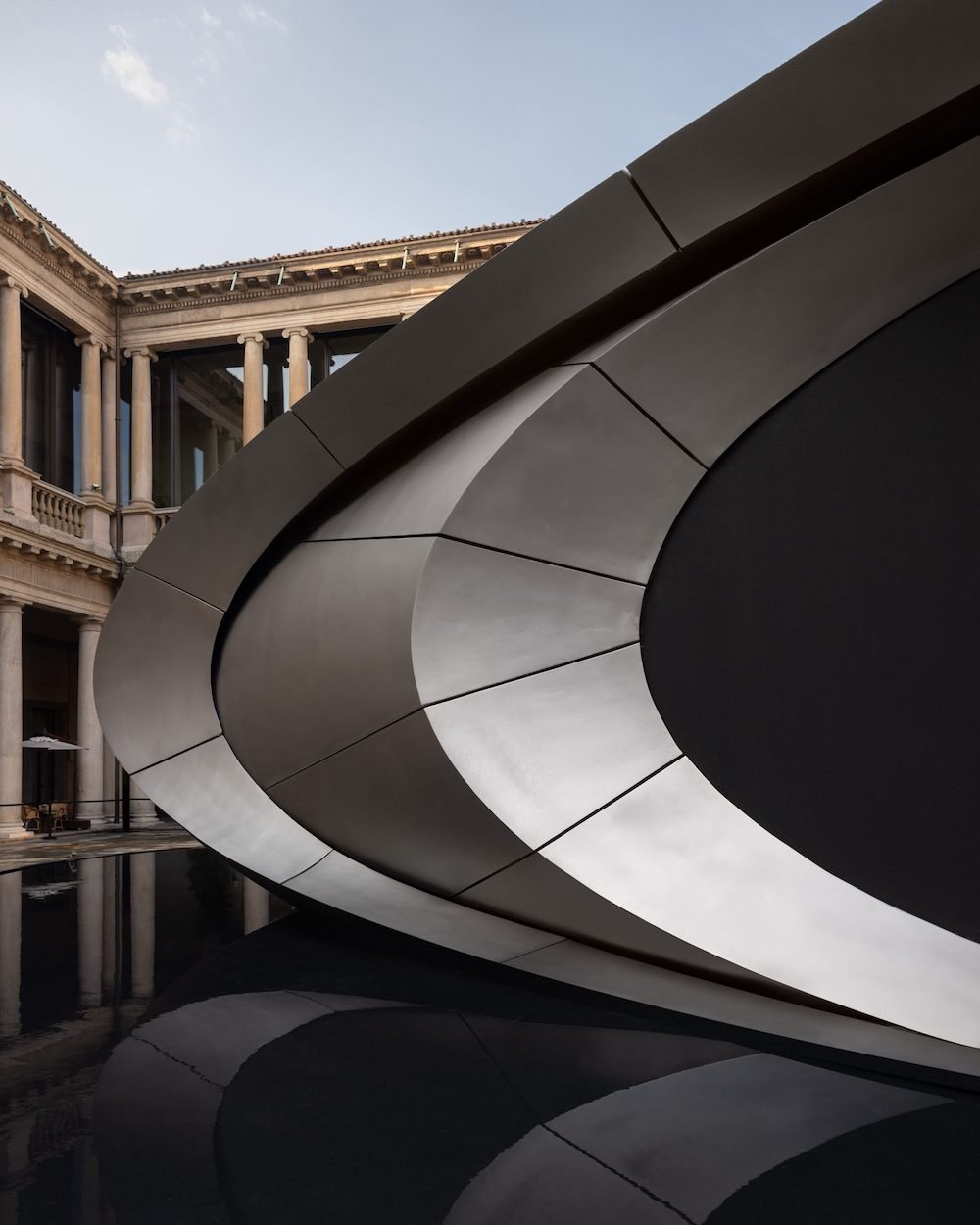
In the V&A’s Madejski Garden, Alicja Patanowska presents The Ripple Effect, a meditation on water’s circulation and our shared resources. Built from 2,000 ceramic tiles crafted with mining waste from Poland’s Żelazny Most, the work transforms residue into beauty. “The installation doubles as both a place of rest and a meditation on our relationship with natural resources.” At its centre, a working fountain channels water into the pond, making the garden not just contemplative, but communal and tactile.

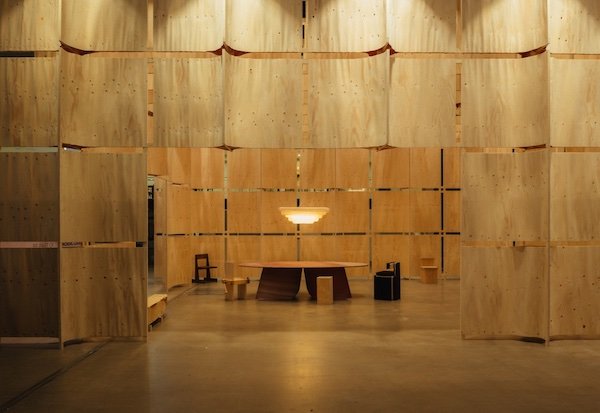
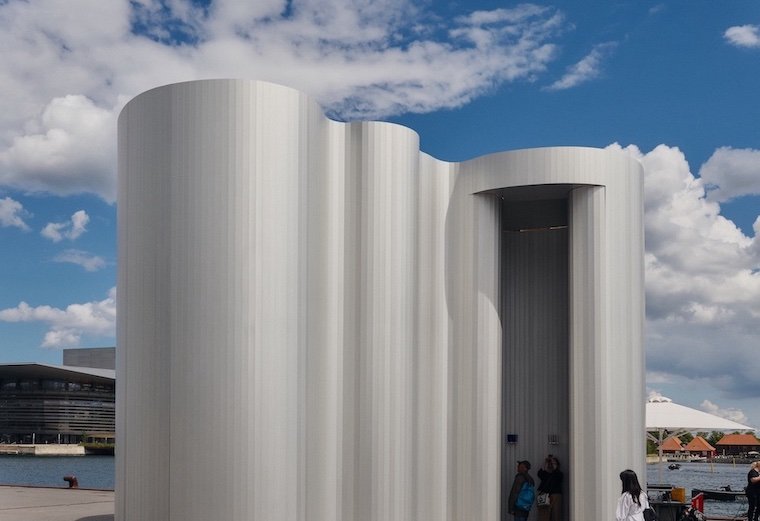
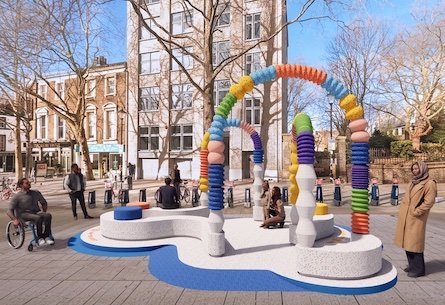
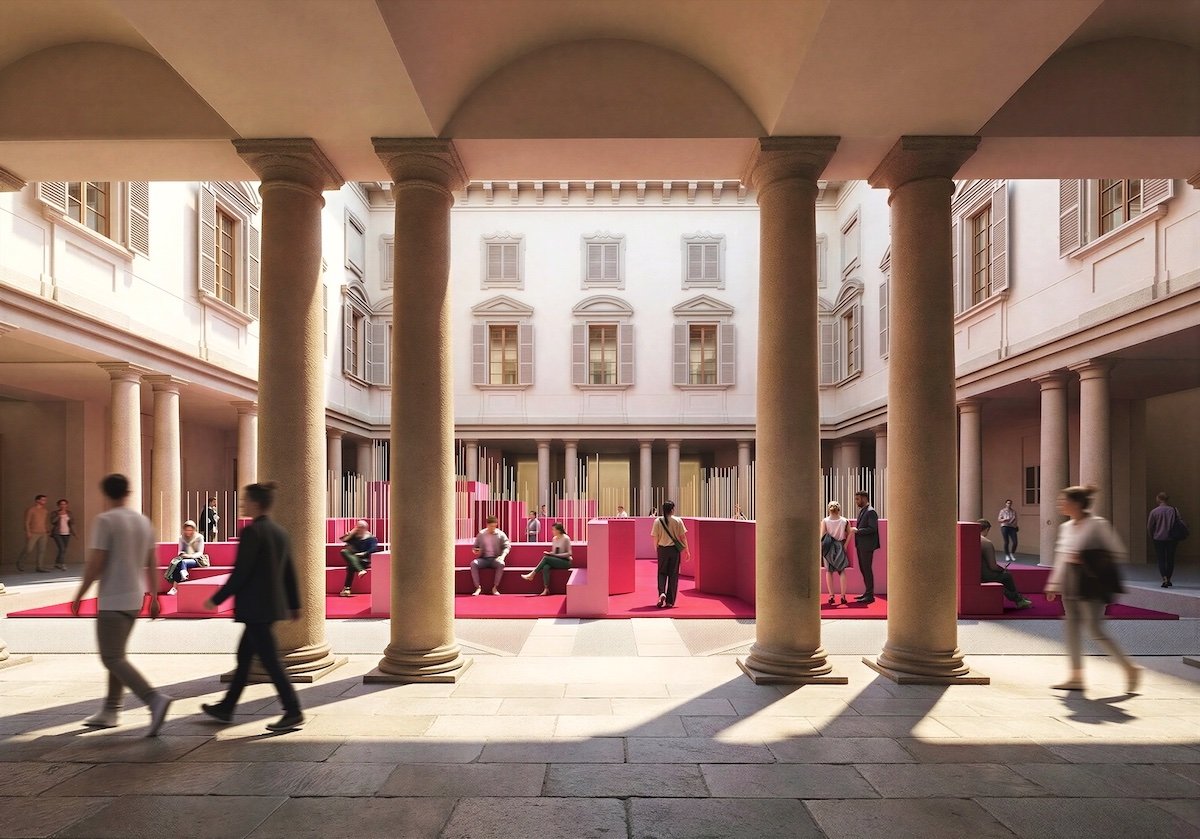
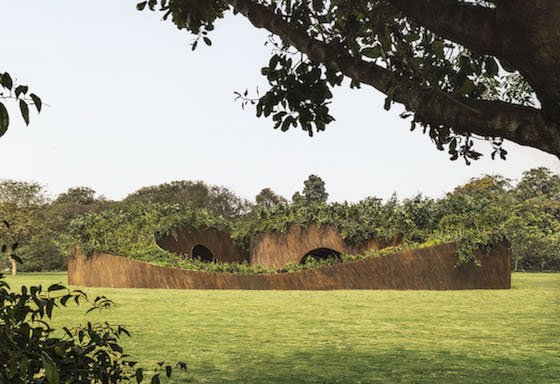
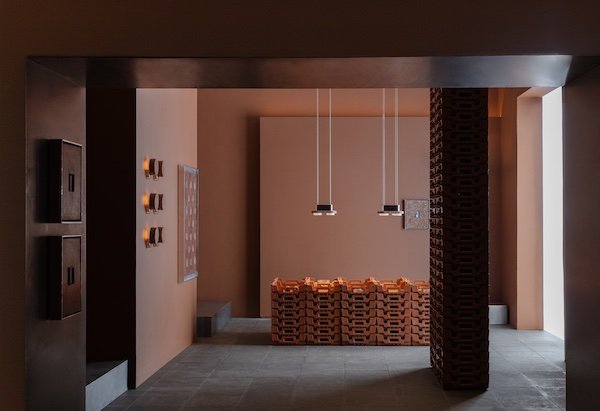
What happens when the building of cities also becomes an act of care? Roo Dhissou introduces Heal, Home, Hmmm—a sculptural pavilion crafted from clay dug out of London’s new high-speed rail sites. Using traditional Punjabi mud-building techniques, she reframes construction as a process of healing. The work asks us to consider how access, care, and responsibility towards the environment shape the places we create. With performance, sound, and public programmes, the pavilion becomes a living, shared space.

Jakkai Siributr at V&A.
All photos of the five key installations at the V&A are courtesy of the London Design Festival.

Ryunosuke Okazaki at V&A.