Madrid Design Council at FORMA Design Fair 2026 – Courtesy of the fair.
Design. Madrid has long deserved a seat at the global design table. With the inaugural FORMA Design Fair, part of the ninth edition of Madrid Design Festival, the Spanish capital is staking its claim in style. Held at Matadero — a former slaughterhouse-turned-creative hub brimming with industrial character — the fair welcomed 39 established brands, emerging studios, galleries, publishers, and contemporary artisans under one roof. We had a wonderful time exploring it — here are the highlights that caught our eye.
- RELATED STORIES: Read more about Madrid Design Festival on Archipanic.
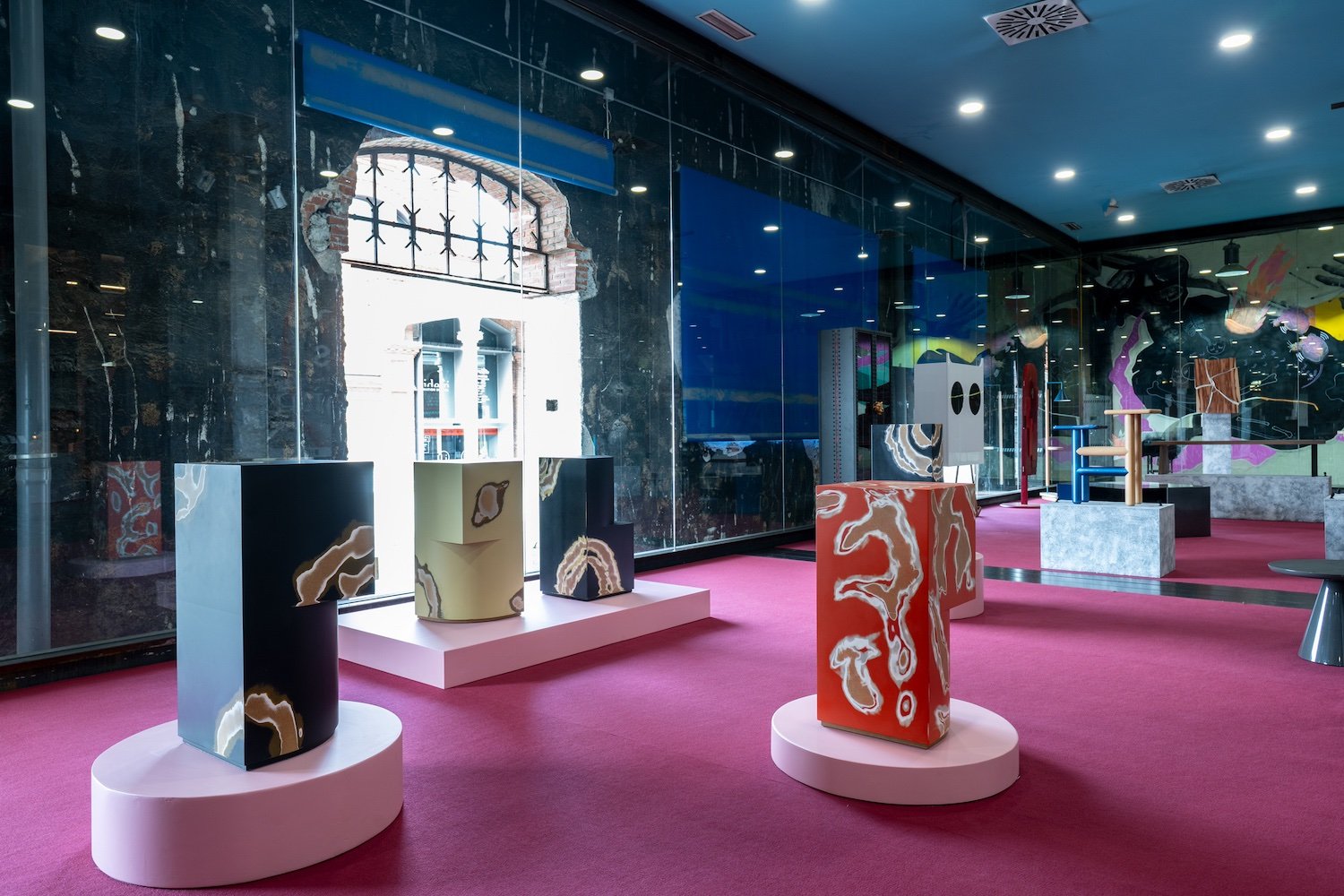
Canto Art Edition by Studio MUT x Sancal at FORMA – Courtesy of the fair.
Curated by Antonio Luna and Emerio Arena, and organised by La Fábrica and the Madrid City Council in collaboration with Matadero Madrid and DIMAD, the institution responsible for managing the Central Design Centre, FORMA’s clear ambition is to empower the local design scene and cement the capital’s place on the international map.
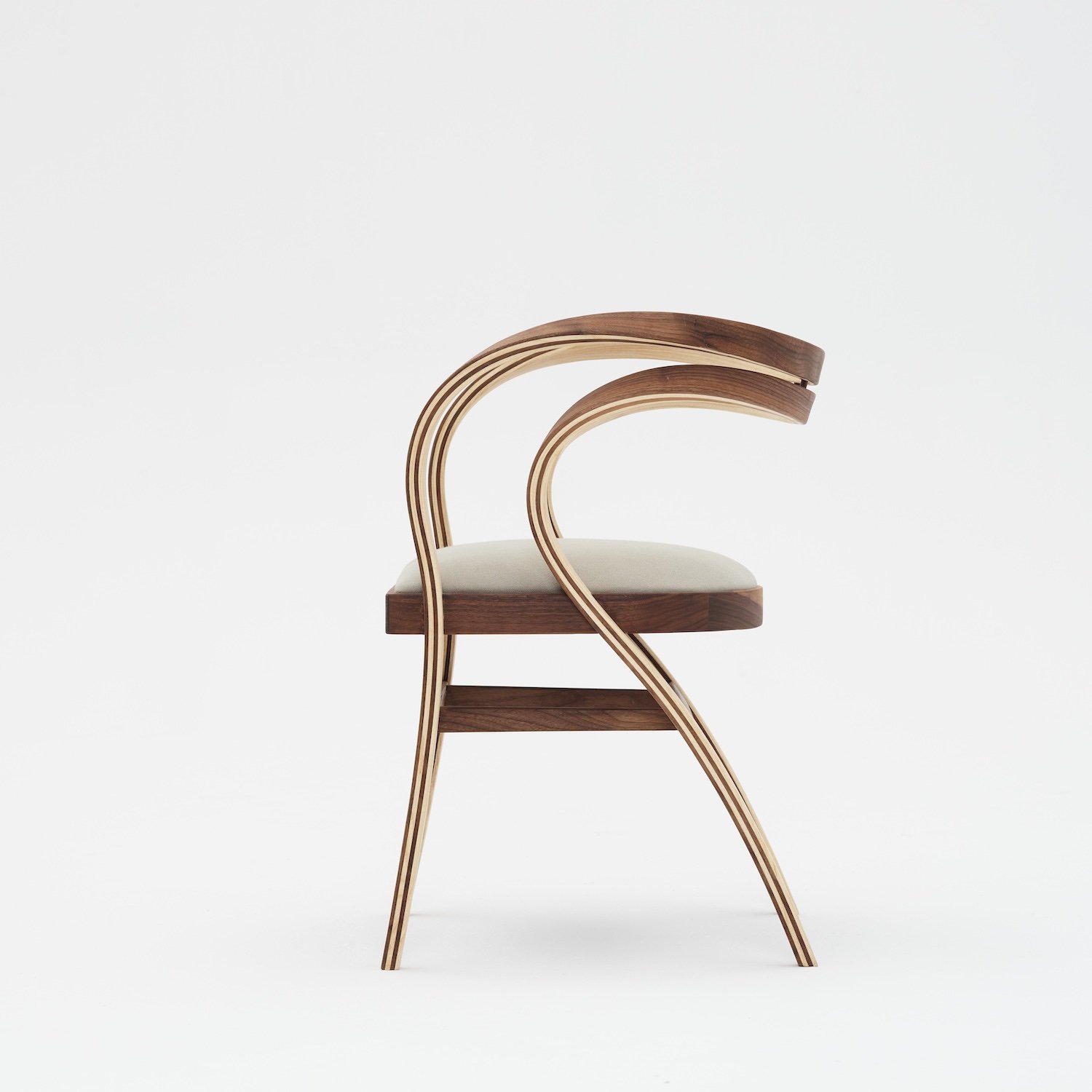
Nina chair by Andrés Mariño Maza’s – Courtesy of the fair.
One of the standout narratives running through the fair was the tension between tradition and innovation. Madrid-based architect and designer Andrés Mariño Maza exemplified this beautifully, crafting furniture in steam-bent wood using artisanal techniques that carry an unmistakable architectural precision. At the fair, he presented his work alongside Valencia-based designer Justino Del Casar, a collaboration that unites two complementary perspectives on contemporary design. Where Mariño Maza honoured material and craft, Del Casar turned his attention to the ephemerality of consumption, creating pieces from upcycled documents, tickets, and packaging — everyday ephemera elevated into considered objects
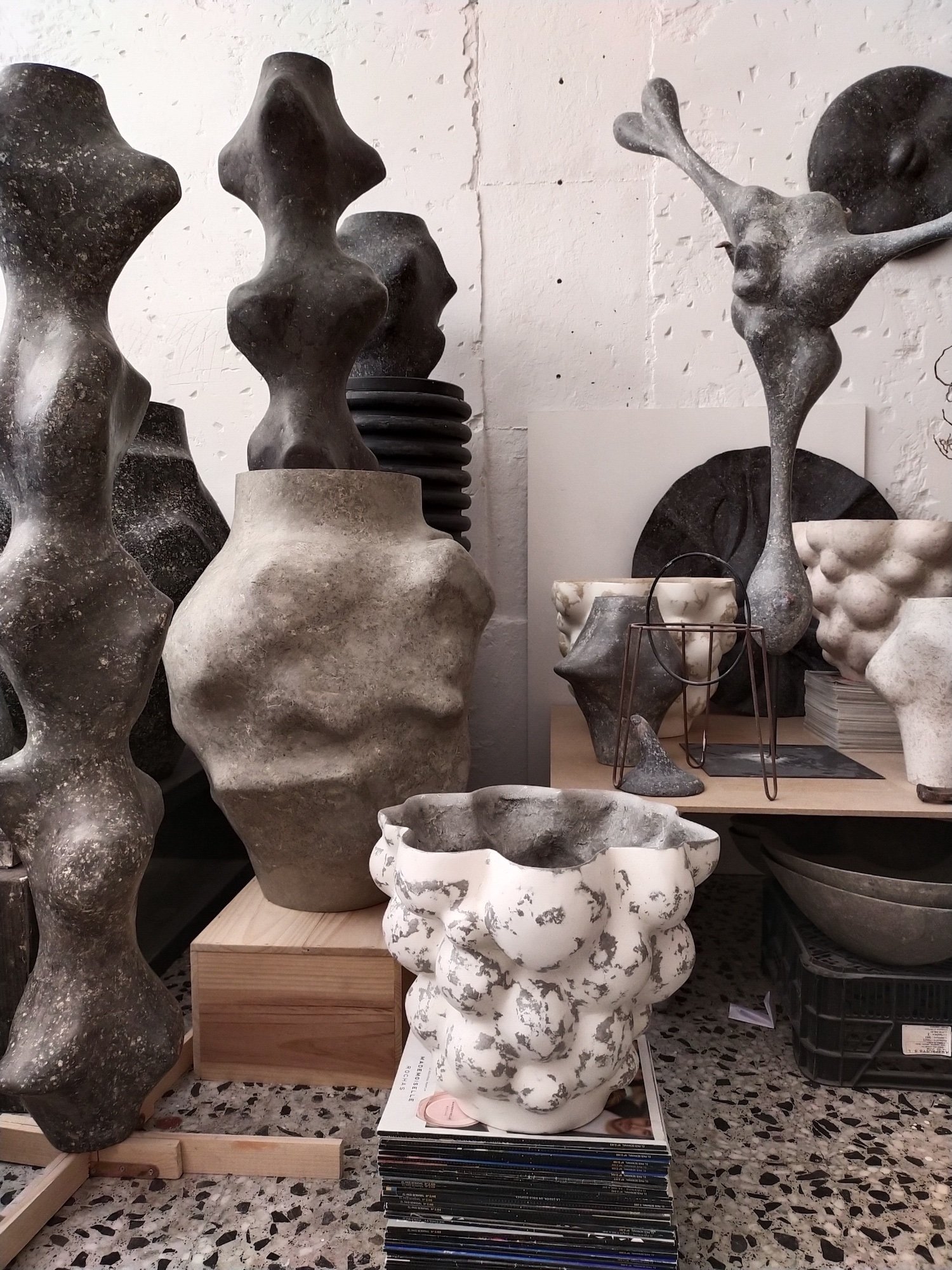
Works by Justino Del Casar – Courtesy of the fair.
That spirit of transformation continued with Sancal and the Valencian Studio MUT, who together reimagined the Canto tables as a limited-edition series of 12 unique pieces in lacquered MDF, blurring the boundaries between design and fine art. Drawing reference from the rituals of a car repair workshop — where metal, paint, and careful sanding restore a bodywork’s original lustre — the collection reframes the act of repair as a creative, collectible gesture, making visible the very process of making.
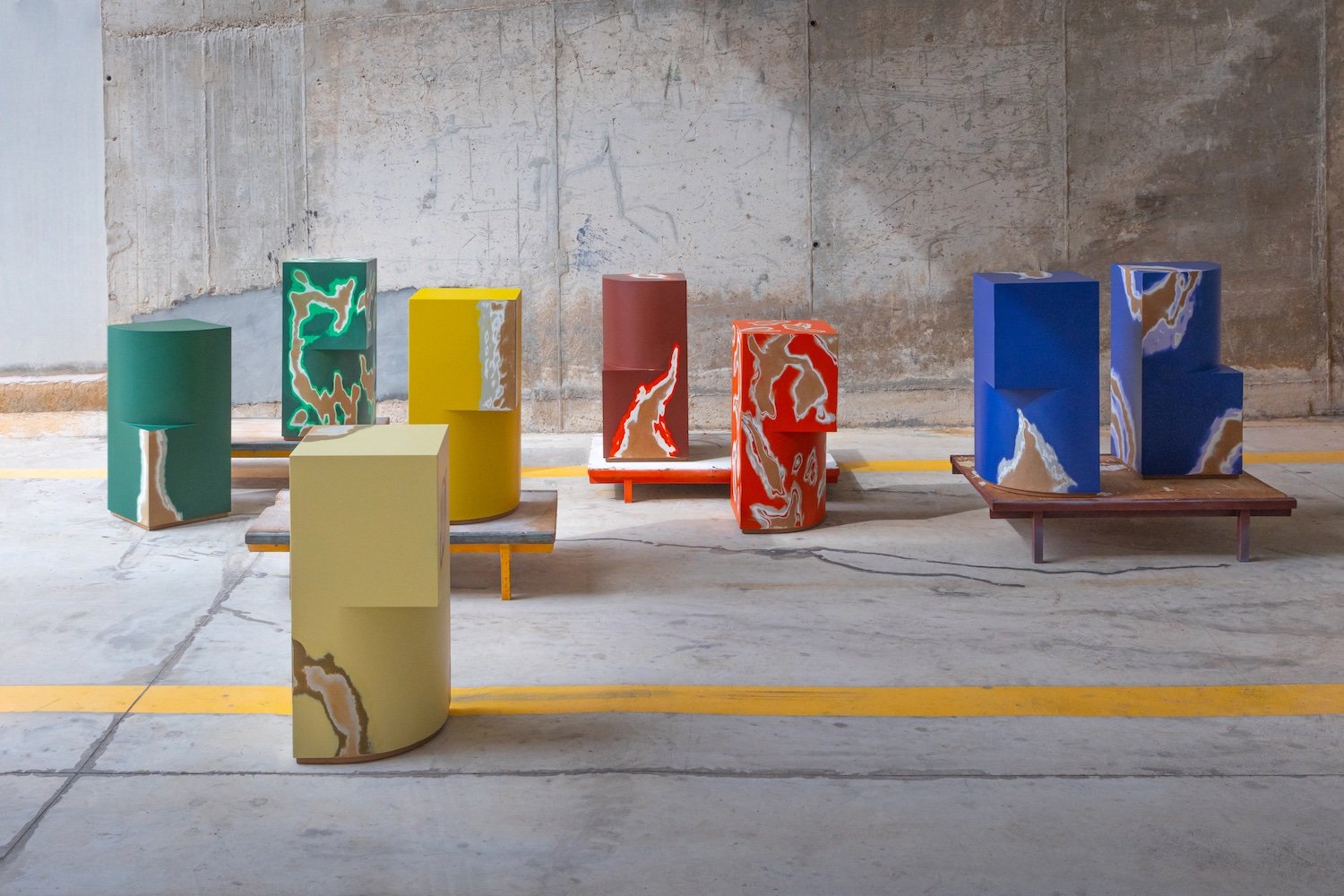
Canto Art Edition by Studio MUT x Sancal – Courtesy of the fair.
Process was equally central to the work of Madrid-based Mayice Studio, founded by Marta Alonso Yebra and Imanol Calderón. Their exhibition, Before the Light, developed in collaboration with Ateneo de Madrid, offered a compelling window into the creative journey: the material research, the experimentation, and the moments of uncertainty that precede a finished piece. The prototypes on show — too complex and large-scale for mass production — serve as a reminder that the many interesting ideas often resist industrial logic.
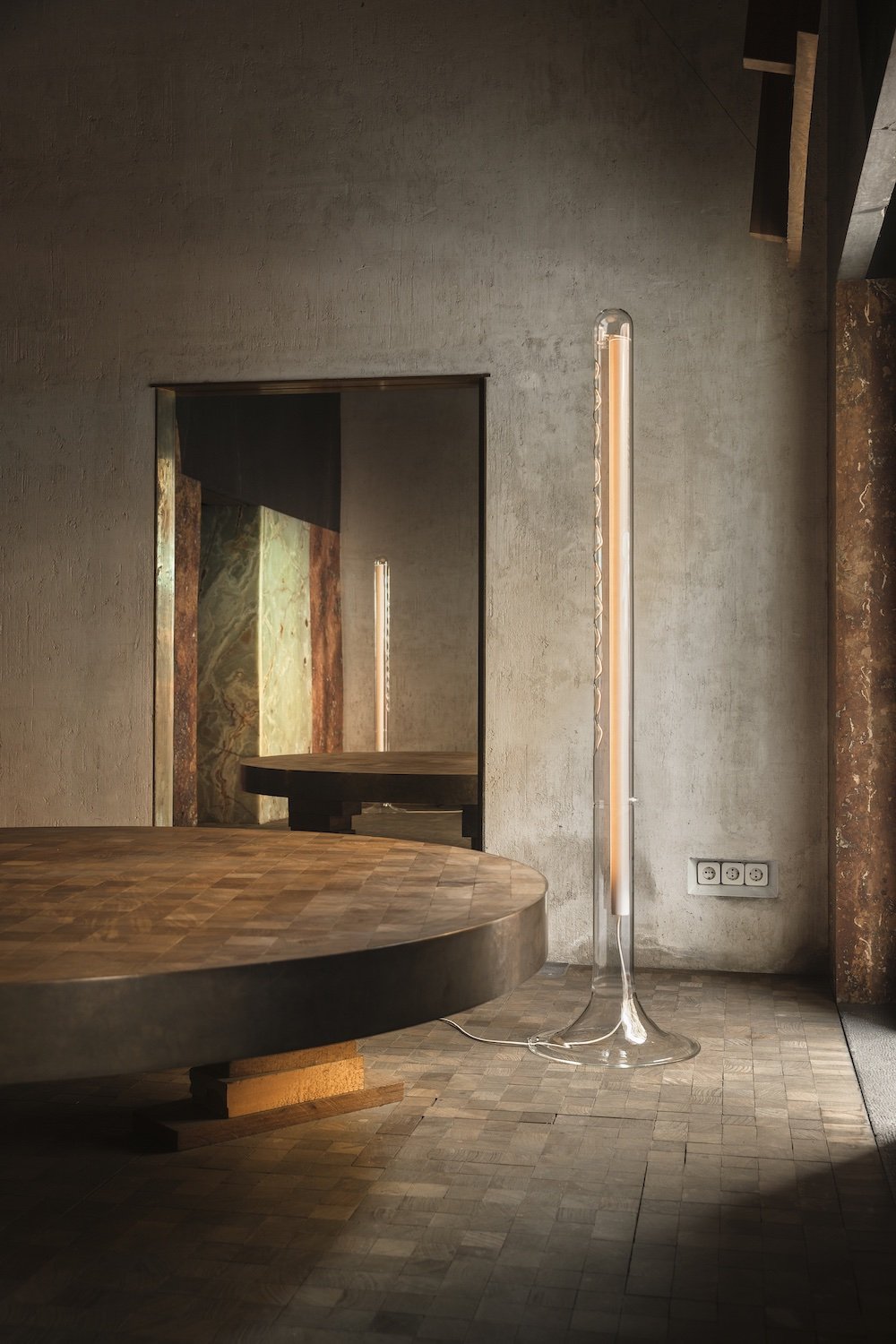
No Title by Mayice Studio – Photo by Pablo Gomez Ogando.
Lighting, in many of its most poetic forms, was well represented throughout FORMA Design Fair. Arturo Álvarez — designer, craftsman, and artist — works at the intersection of functional lighting and limited-edition sculpture. Stellae is a tribute to the Milky Way as a guide for pilgrims along the Santiago de Compostela route. Etnia is a suspended, multilayered sculpture that, when illuminated, casts its shadow onto the wall, allowing its scale to shift as the light source moves closer to or farther from the piece.
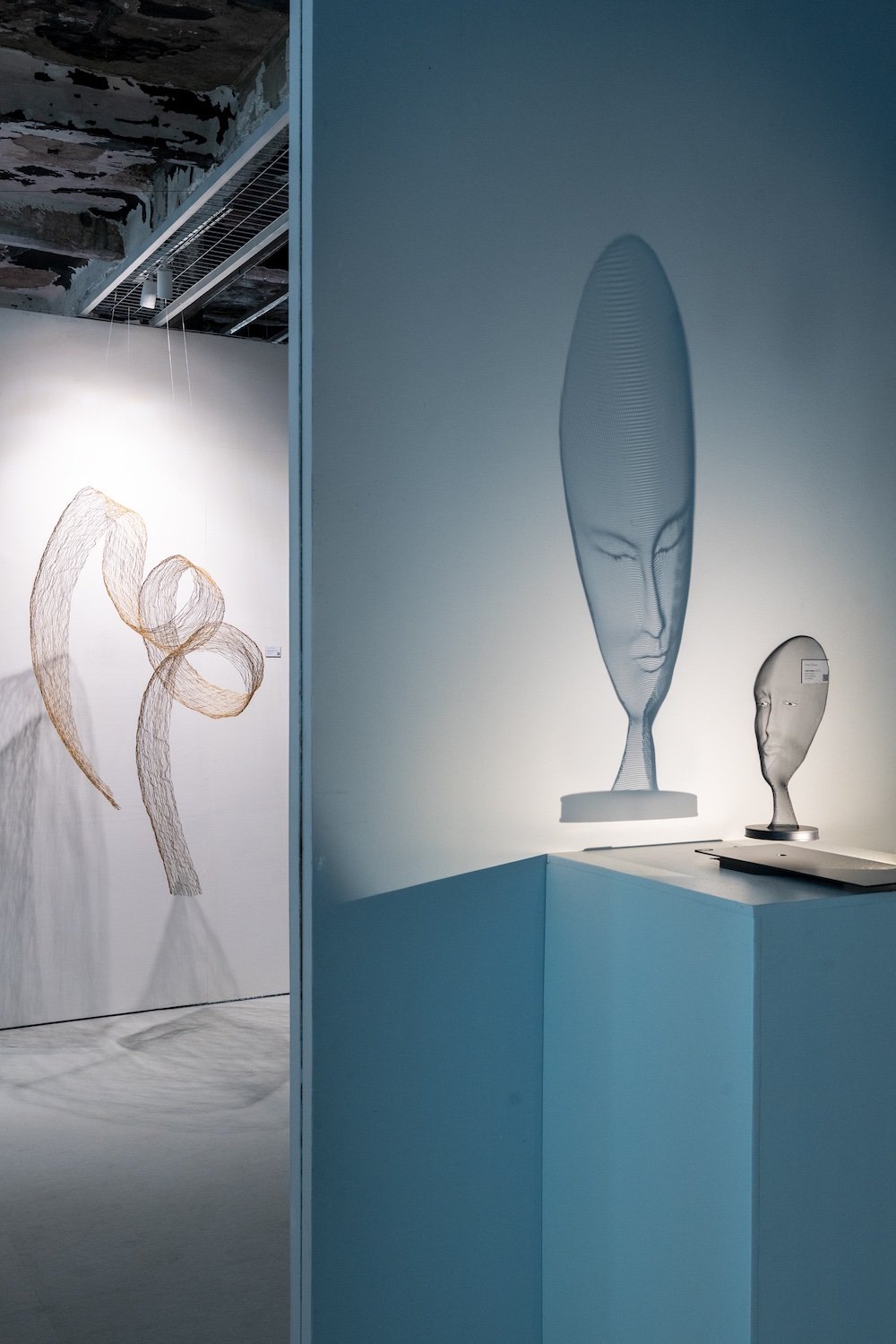
Stellae and Etnia by Arturo Álvarez at FORMA – Courtesy of the fair.
Meanwhile, Seville-based TODOMUTA studio, led by Laura Molina and Sergio Herrera, wove together ancestral aesthetics and a boldly futuristic vision. Craft meets technology and materials research in equal measure. At the fair, the studio presented its current creative direction through some of its most experimental recent designs, including the captivating Massless collection — find out more.
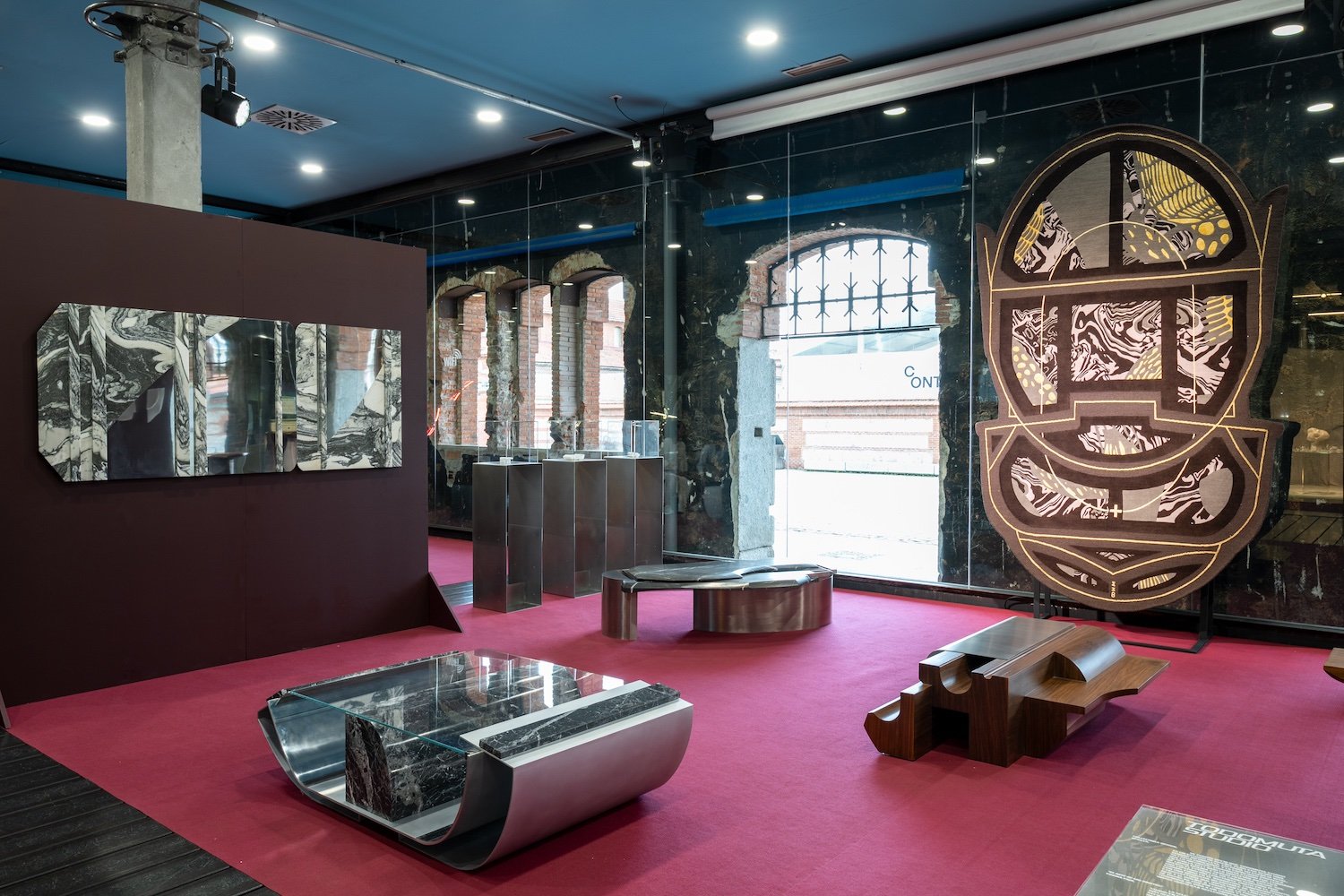
TODOMUTA at FORMA – Courtesy of the fair.
Equally boundary-defying was Regina Dejiménez, whose work dissolves the lines between installation and object, biology and matter. Her pieces recall living organisms; bodies become landscapes. As she puts it: “I am fascinated by the phenomena of nature, how matter flows in its different states: solid, liquid and gaseous and is in continuous transformation. How the micro and the macro share structures, and at the same time, the universe is full of imperceptible mysteries.”
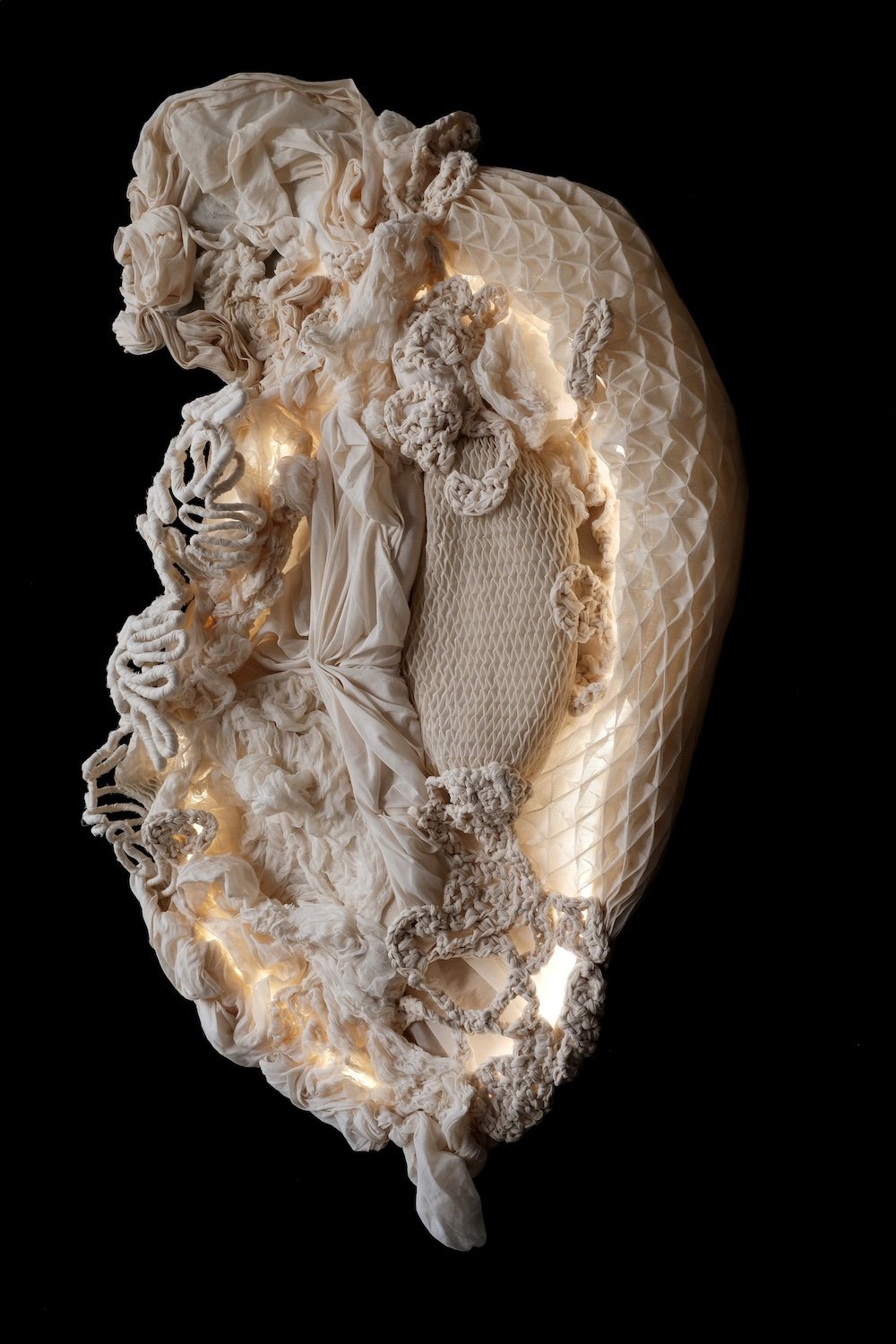
Hybrid shell by Regina Dejiménez – Courtesy of the fair.
From nature to emotion, Studio Ponce — founded by Pelin Once — presented the Flow Series, a sculptural lighting collection in which light becomes fluid, cascading through space like a visible feeling. The studio’s Wada lamps, hand-crafted from zero-waste paper, are produced in collaboration with skilled local women artisans in Turkey, adding a meaningful layer of social purpose to their quiet beauty.
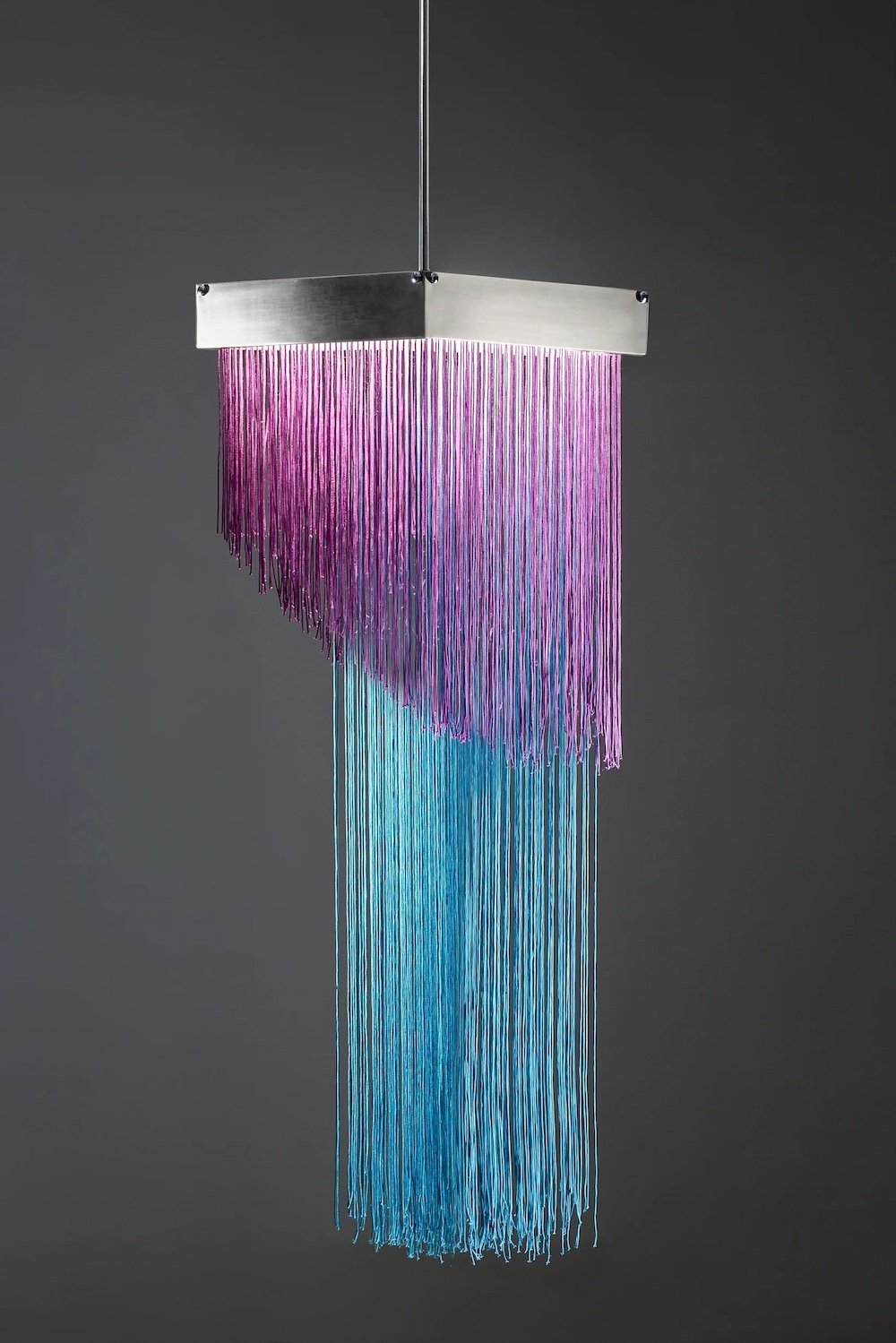
Flow by Studio Ponce – Courtesy of the studio.
That sense of ‘nature as muse’ flowed naturally into the presentation by GÄRNA Art Gallery. Laura Gärna curated an exhibition featuring exquisite works by Fernando De Ana and Verónica Mar. The pair explored the subtle boundary between art and functionality through a sculptural table inspired by flowing water, marble-and-wood stools that evoke droplets of dew, a sinuous DNA-like twisting bench, and a striking wall neon lamp with a rippling mirrored surface. Simply biophilic, holistically light and poetically mesmerising.

Pieces by Fernando De Ana and Verónica Mar x GÄRNA Art Gallery at FORMA – Photo by the gallery.
Recognition at the fair went to Maison Parisienne, which was bestowed with the MDF–Madrid Design Festival Award. The gallery presented a carefully chosen selection of works by the artists it represents: Aude Franjou with her intricate parasitical woven ramifications, alongside Pierre Renart, Zoe Ouvrier, and Karen Gossart-Corentin Laval, all of whom bring a focused attention to wood and wicker.
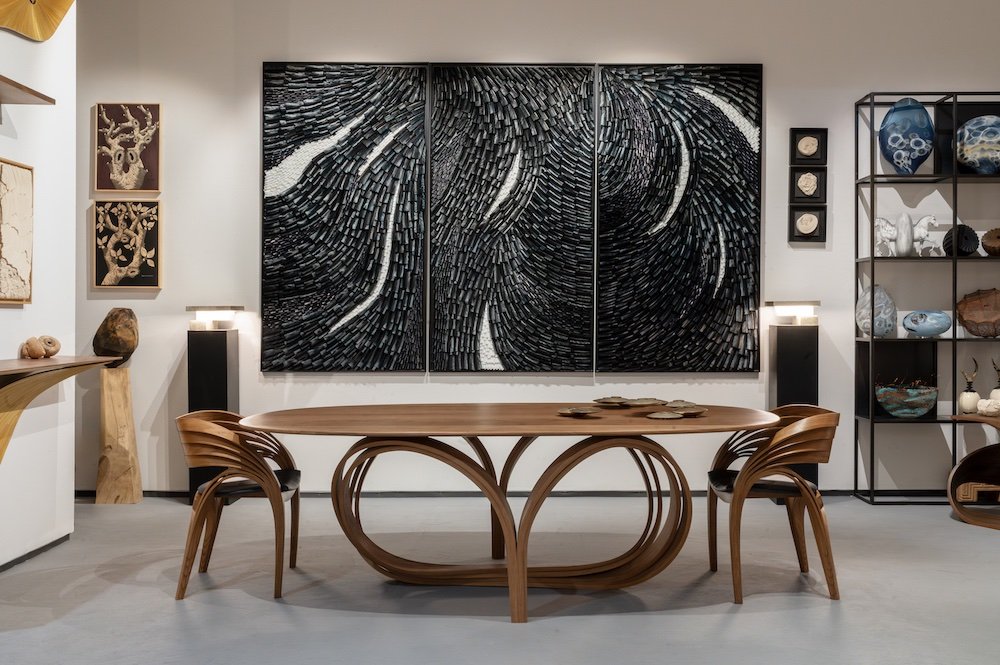
Pierre Renart’s Table Eclosion x Maison Parisienne – ©Benedicte Drummond Photography.
Rounding out the programme with a generous nod to home-grown talent, the Madrid City Council hosted its own stand at FORMA Design Fair, shining a spotlight on local emerging studios. María Mallo investigates the potential of bioplastics and other sustainable materials, presenting a large-format lamp crafted from collagen bioplastic. Casa Antillón merges a pop-punk sensibility with avant-garde interiors and art design furniture, while FFF–Fun Furniture for Friends constructs a joyful, multicoloured universe from simple tubular structures — proof that great design can be as playful as it is purposeful.
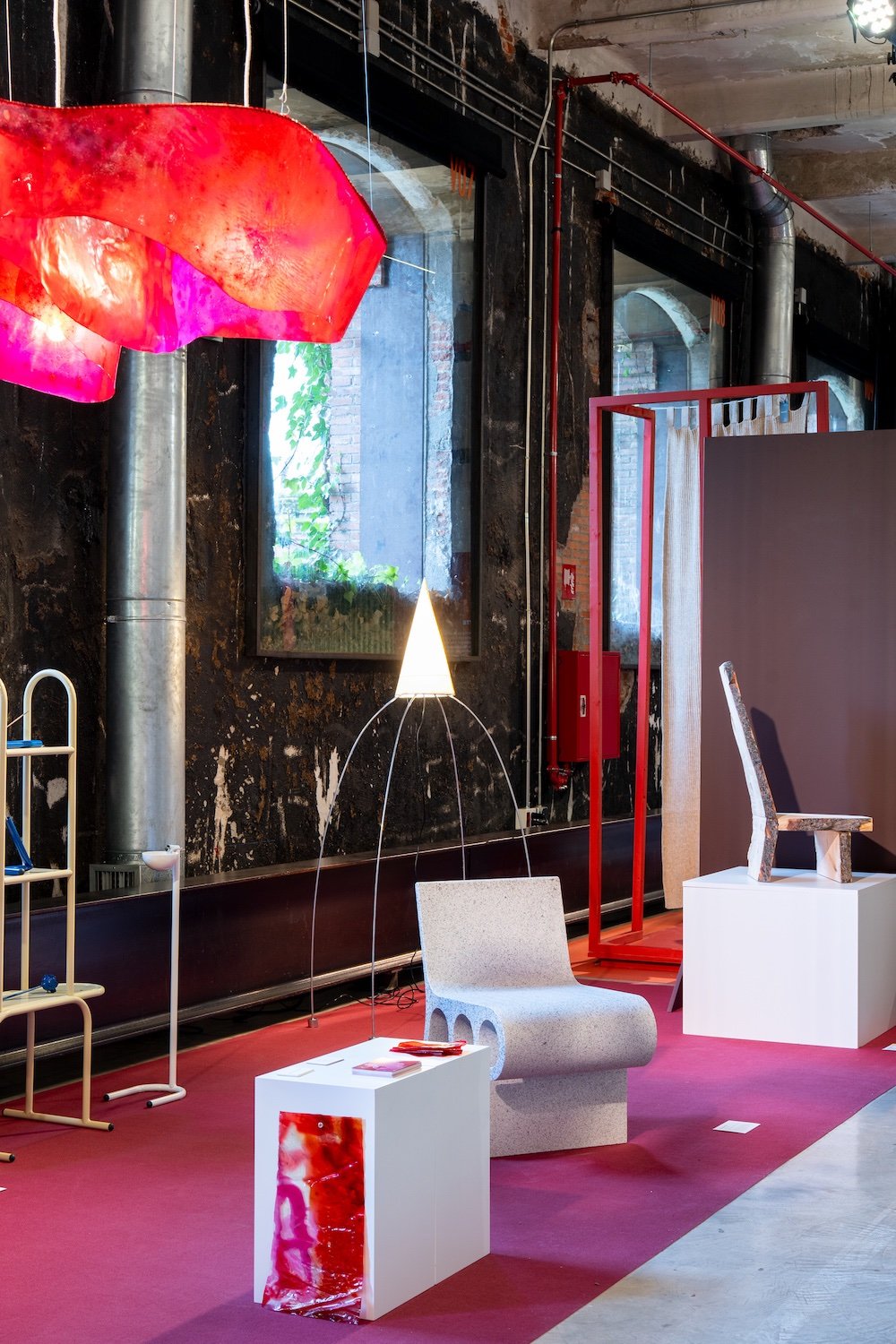
Madrid Design Council at FORMA – Courtesy of the fair.
FORMA Design Fair has announced itself with confidence, warmth, and genuine creative ambition. If this inaugural edition is anything to go by, Madrid’s design scene has found its stage — and the world should be watching.
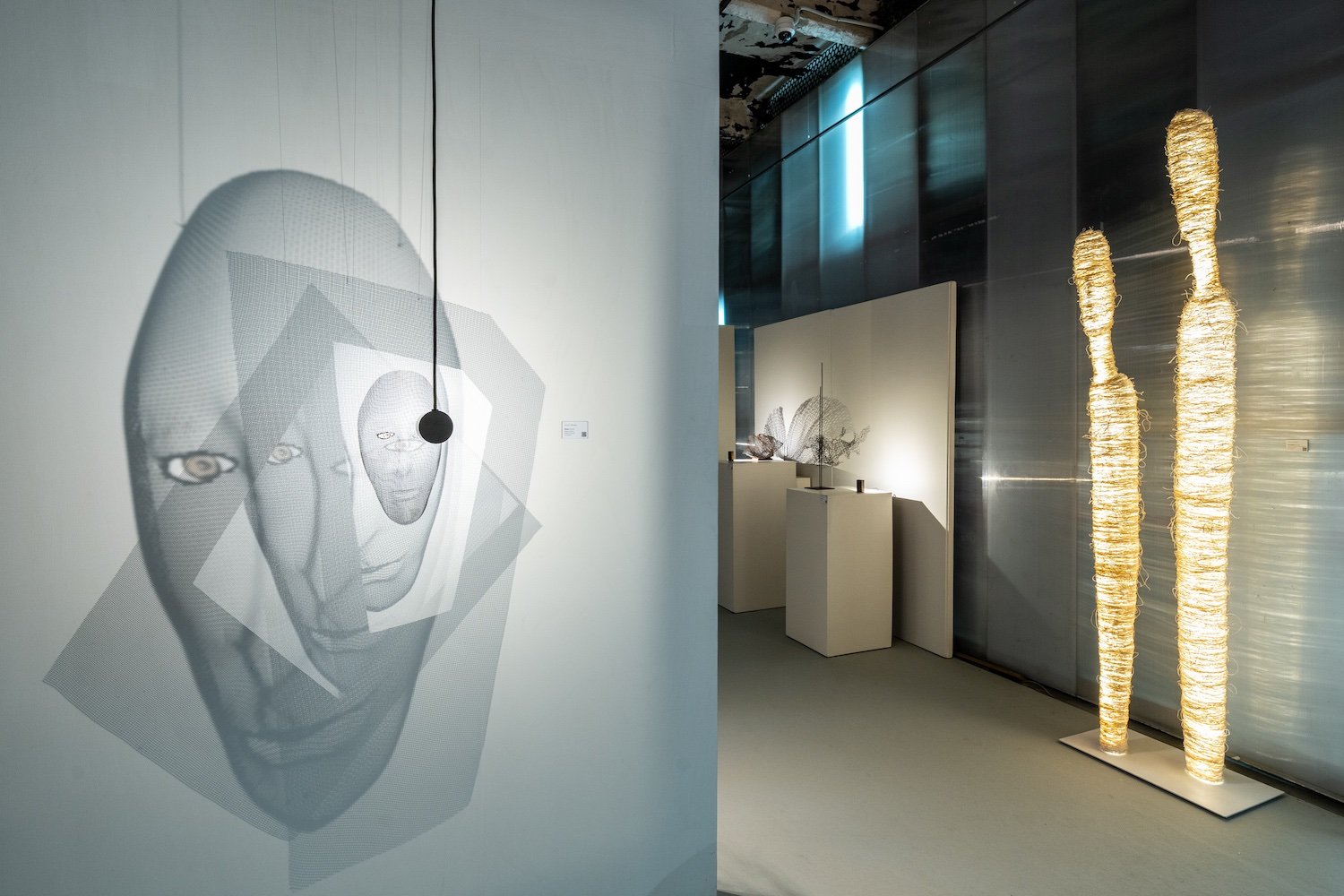
Etnia by Arturo Álvarez at FORMA – Courtesy of the fair.