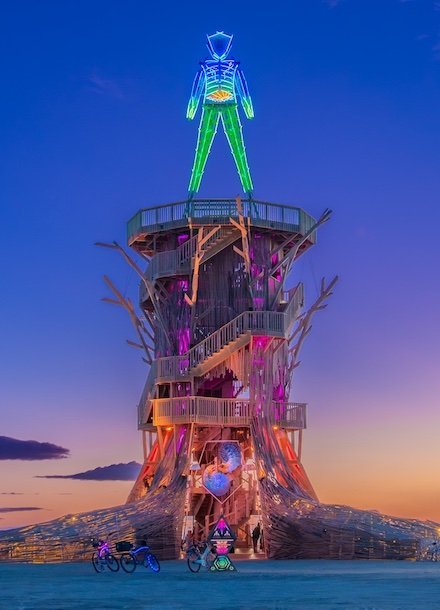
Helsinki Design Week 2026: Aalto 90 Pavilion by TABLEAU CPH x Iittala – Photo by Iittala.
Design. Helsinki Design Week 2026 takes over the Finnish capital, running from 28 August to 6 September with more than 250 events across the city. This year’s theme, The Oncoming Other, puts the spotlight on encounter and shared urban space.
- RELATED STORIES: Discover more Finnish architecture and design on Archipanic.
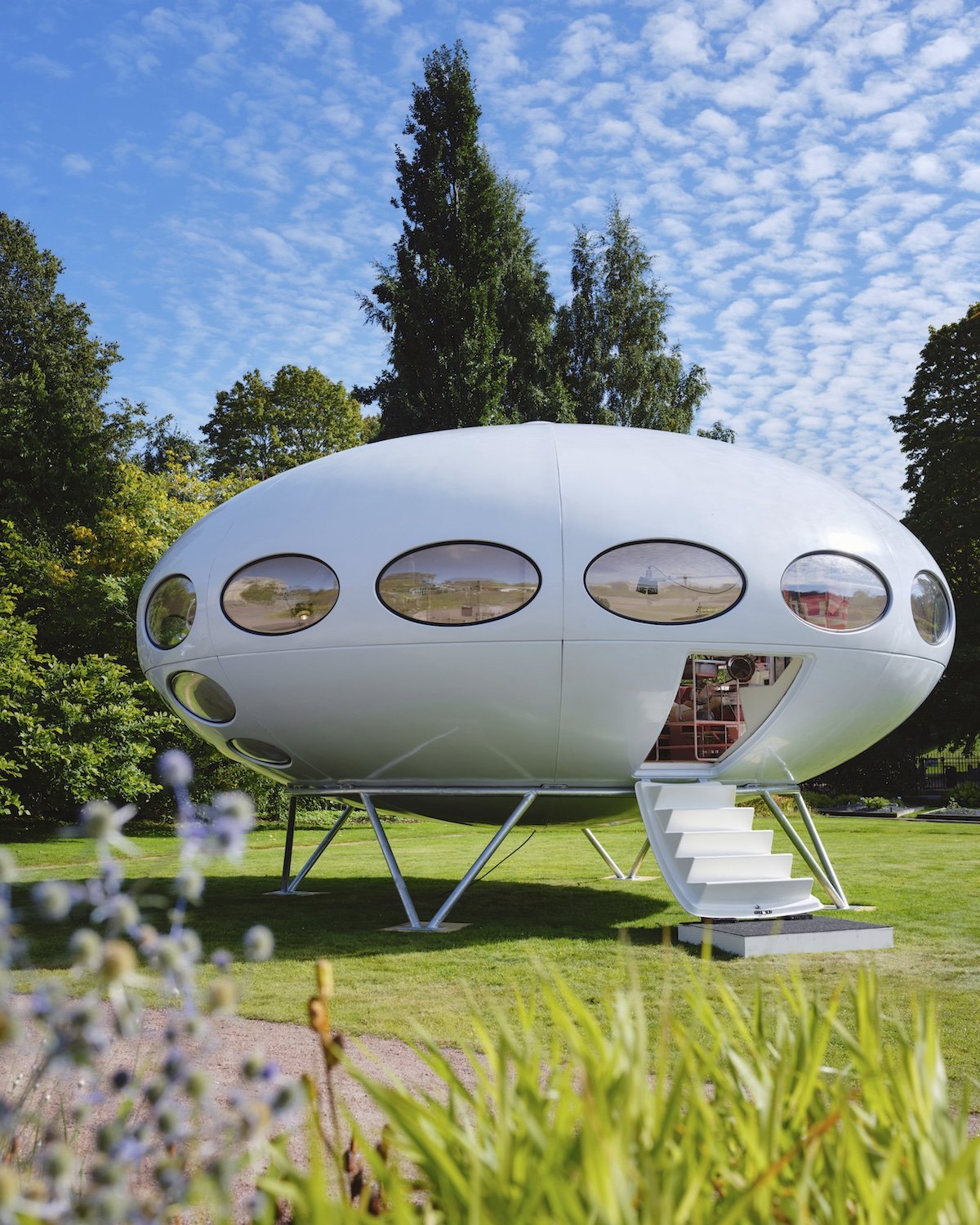
Marimekko reimagines Matti Suuronen’s Futuro House at Kaisaniemi Botanic Garden – Photo by Marimekko.
As Kari Korkman, founder of Helsinki Design Week, puts it: “The creative sector does not emerge within closed systems but through connections between people, and in networks where ideas, resources and meaning circulate. When creators, audiences, funders, media and the city meet regularly, resilience begins to form: the possibility to renew, adapt and imagine the future together.”
HDW Lab: the city centre reimagined
Kluuvikatu 3, 00100, Map.
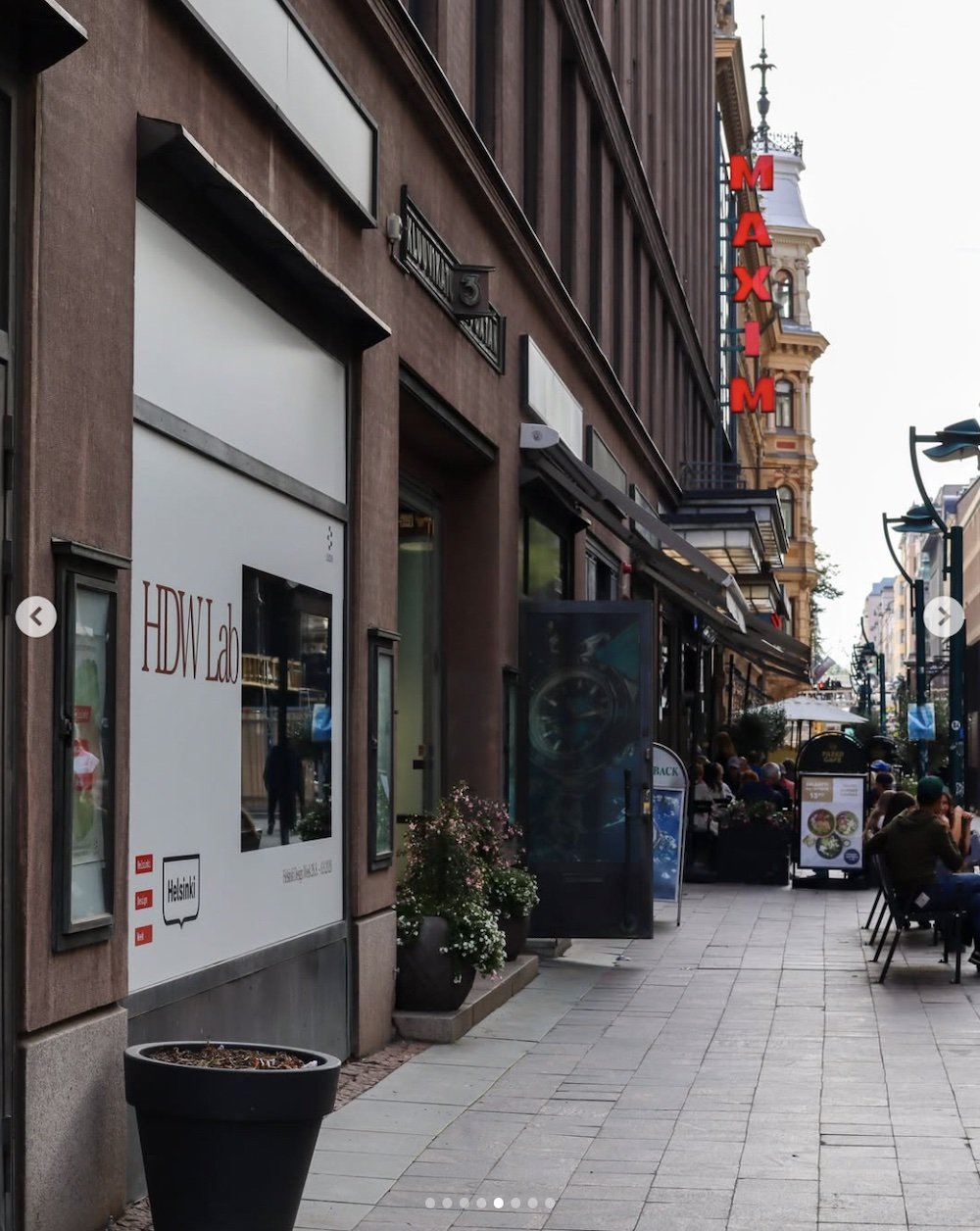
Photo via IG, follow @helsinkidesignweek.
At the heart of Helsinki Design Week 2026 sits HDW Lab, a working laboratory for the future of street-level life. From 1 to 4 September, its ground floor turns into a hands-on showcase of talks, workshops and live demonstrations, while upstairs, experts and decision-makers hash out where urban development goes next. The programme forms part of a two-year partnership between Helsinki Design Week and the City of Helsinki, focused on the Aleksanterinkatu district — asking how retail and public space might flex to hold new forms of culture, commerce and daily life.
Marimekko and Futuro
Kaisaniemenranta 2, 00170, Map.
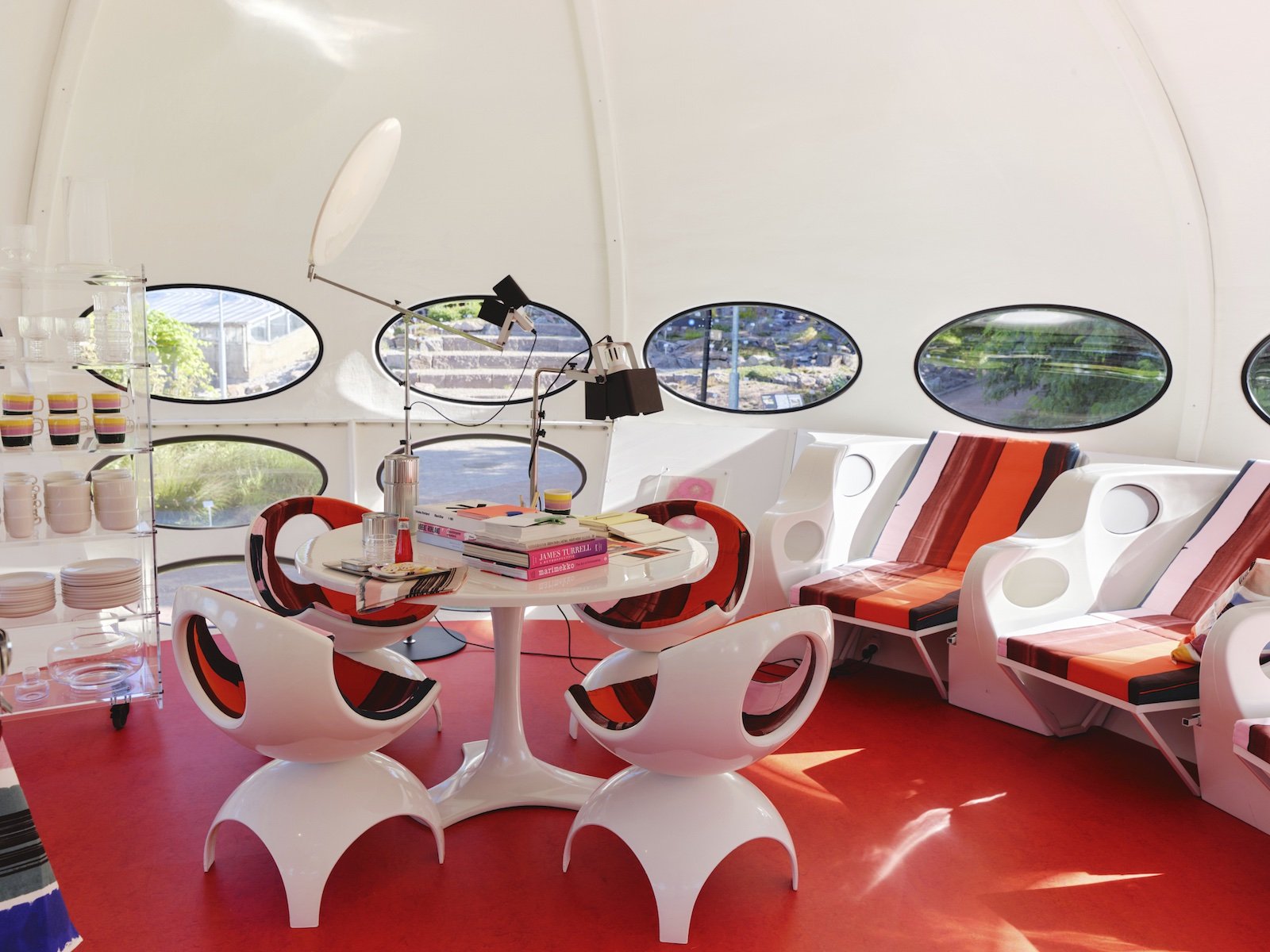
Photo by Marimekko.
Few structures say more about Finnish design ambition than the Futuro House, and this year it’s back in the spotlight. Designed by Matti Suuronen in 1968, the saucer-shaped dwelling touches down at Kaisaniemi Botanic Garden for Helsinki Design Week 2026. Lifestyle brand Marimekko and architectural heritage expert Jan van Dijs created a punchy new interior, dressed in patterns by Danish print designer Vibeke Rohland. A genuinely playful meeting of architecture, textiles and possibility.
Aalto 90 Pavilion by Iittala
Lyypekinlaituri, Eteläranta, Map.

Photo by Iittala.
Fresh from its debut at 3 Days of Design [read more], the Aalto 90 Pavilion by Lars Beller Fjetland and TABLEAU CPH for Iittala makes its way home. The seven-metre aluminium structure, built from Hydro‘s low-carbon aluminium, marks 90 years of Alvar Aalto’s vase and borrows its silhouette for the pavilion’s own form. Inside, it hosts a photography exhibition by Arno Rafael Minkkinen, bringing architecture, photography and design together across generations — proof that a design icon needn’t stay fixed in its own moment.
Eteläranta 6
Eteläranta 6, 100130 Map.
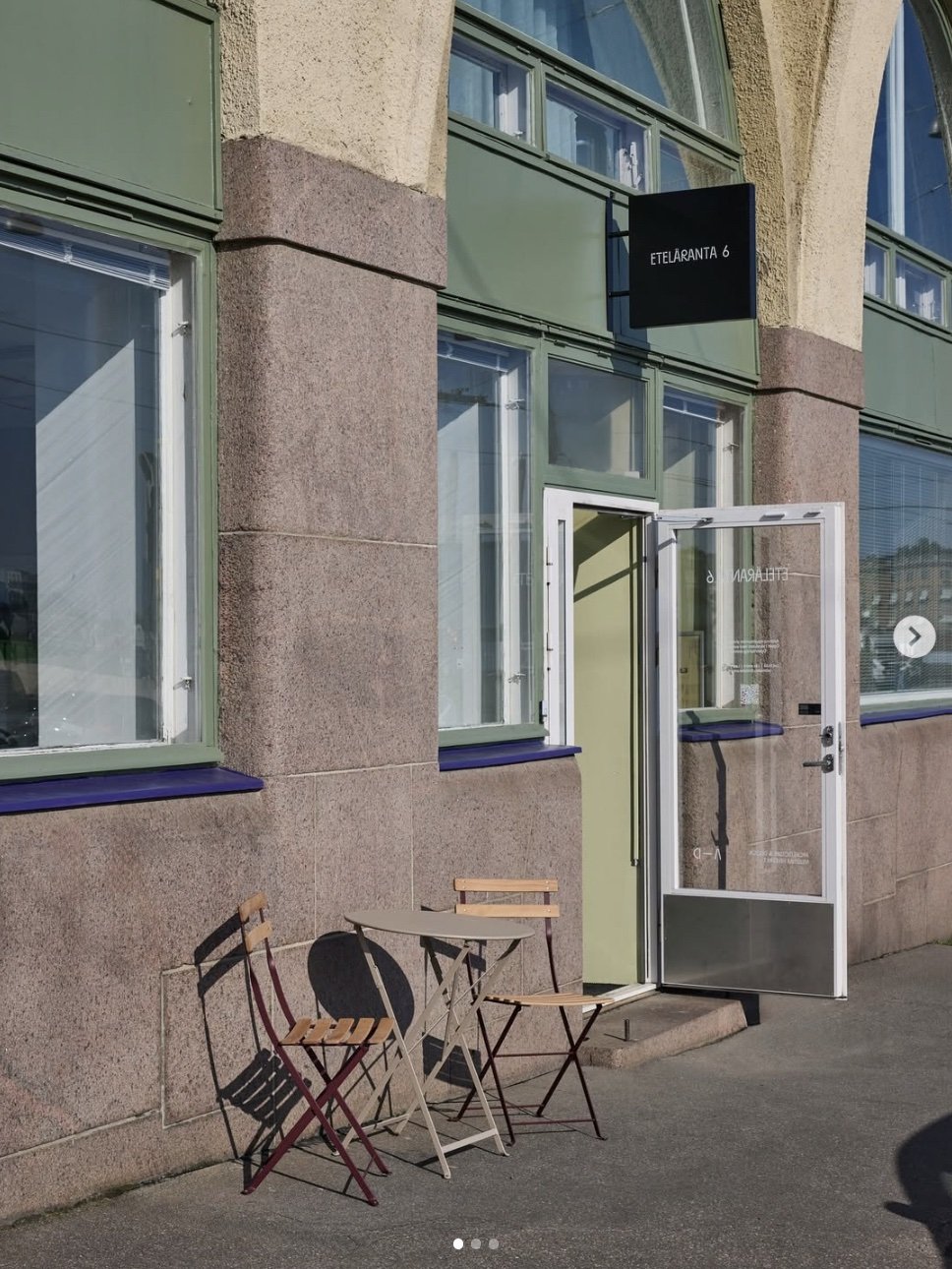
Photo via IG, follow @arkkitehtuuri_ja_designmuseo.
Helsinki Design Week 2026 also brings a fresh venue at Eteläranta 6, as the Architecture and Design Museum opens a new home designed by Joanna Laajisto for events and public gatherings. Working with its partners, the museum rolls out a programme inviting residents and visitors to discuss what architecture and design mean to a city, while tracking the New Museum of Architecture and Design as it takes shape.
The Making of Modern Living by Artek
Pieni Roobertin katu 4–6, 00120, Map.
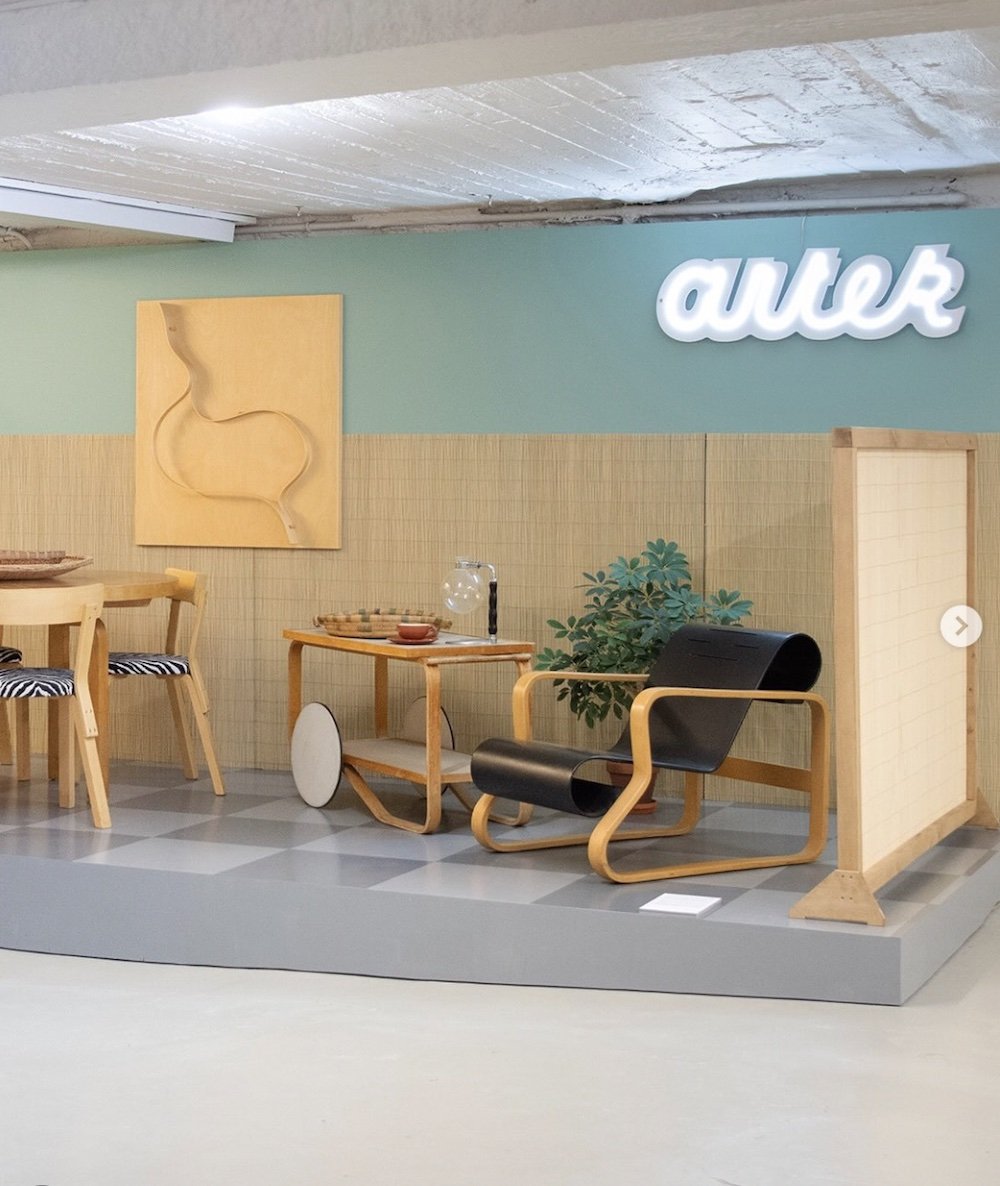
Photo via IG, follow @artekhelsinki.
At Artek 2nd Cycle, The Making of Modern Living exhibition recreates the atmosphere of Artek‘s very first store, opened on Helsinki’s Fabianinkatu in 1936. Far more than a furniture shop, it was a cultural space embodying the ideals of Aino and Alvar Aalto, Maire Gullichsen and Nils-Gustav Hahl — the fusion of art and technology, and the pursuit of “a modern way of living.” Nearly nine decades on, the Finnish company remains a fixture of Helsinki’s street life, and this exhibition invites visitors to step back in time.
Wild Mushroom Bar
Aleksanterinkatu 9, Map.

Courtesy of Helsinki Design Week.
Autumn also means mushroom season, and Helsinki Design Week 2026 marks the occasion with the Wild Mushroom Bar by chef Sami Tallberg — a temporary street kitchen at Aleksanterinkatu 9, inspired by Madrid’s El Cisne Azul. Open 2–5 September, midday to 7 pm, no reservations needed, just first-come seating. The project brings together Tallberg, designer Lauri Johansson, graphic designer Ilkka Kärkkäinen and partners Metos, Vaarnii, Durat and Saas Instruments, developed with Kluuvi, Helsinki’s shopping destination for design lovers.
Design Market
Kaapeliaukio 3, 00180, Map.
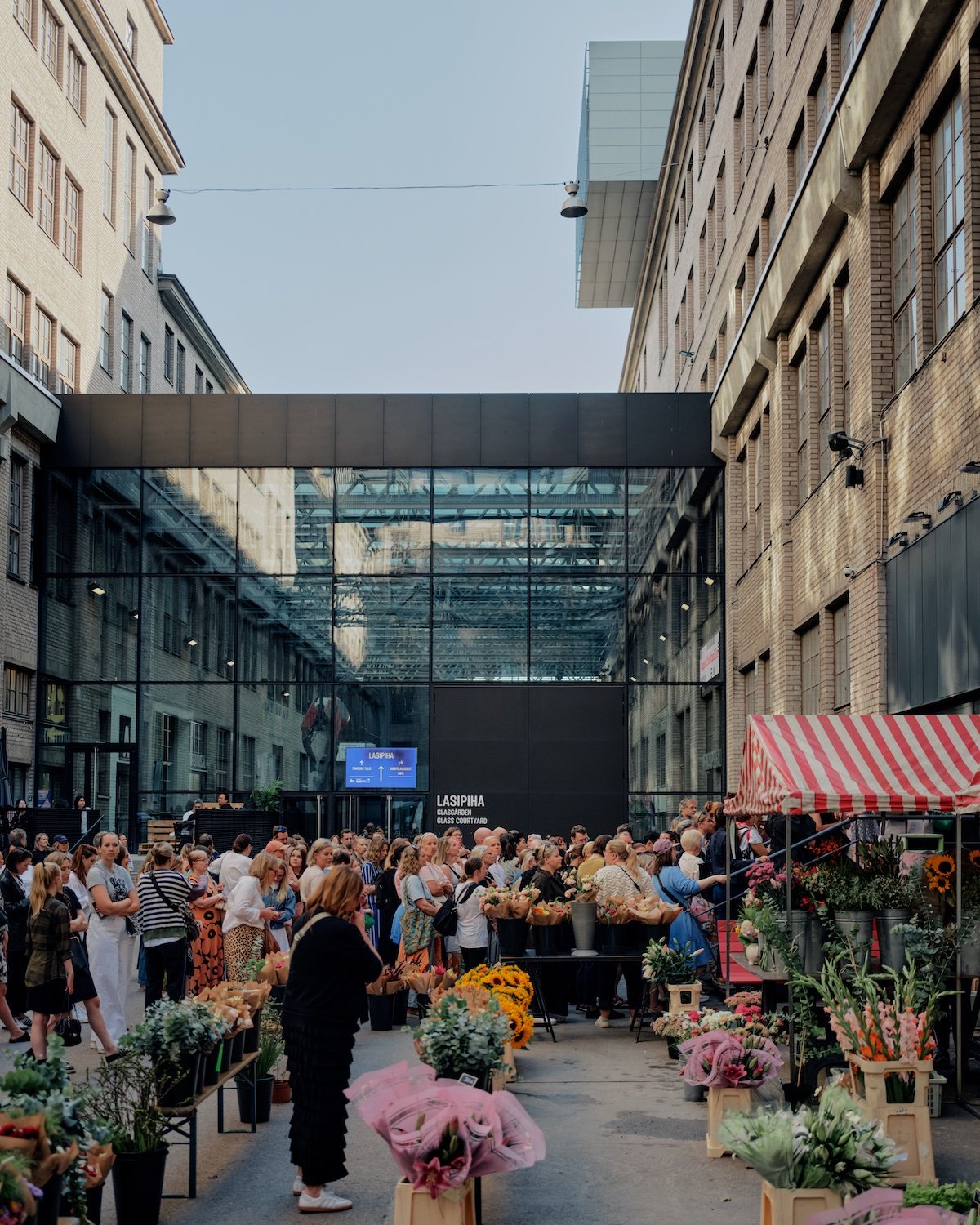
Design Market during Helsinki Design Week 2025 – Photo by Justus Hirvi.
Over at the Cable Factory’s Merikaapelihalli, Design Market gathers furniture, homeware, clothing and accessories from Finland and beyond. Chao & Eero bring handcrafted jewellery, Eckhardt Wood Art works from recycled skateboards, and JENNYVEXALA shows textile pieces built through reuse and embroidery. New this year: Design Market Workshops, giving visitors a chance to pick up hands-on skills from the professionals themselves. Find out more and register here.
Habitare design fair
Messuaukio 1, 00520, Map.
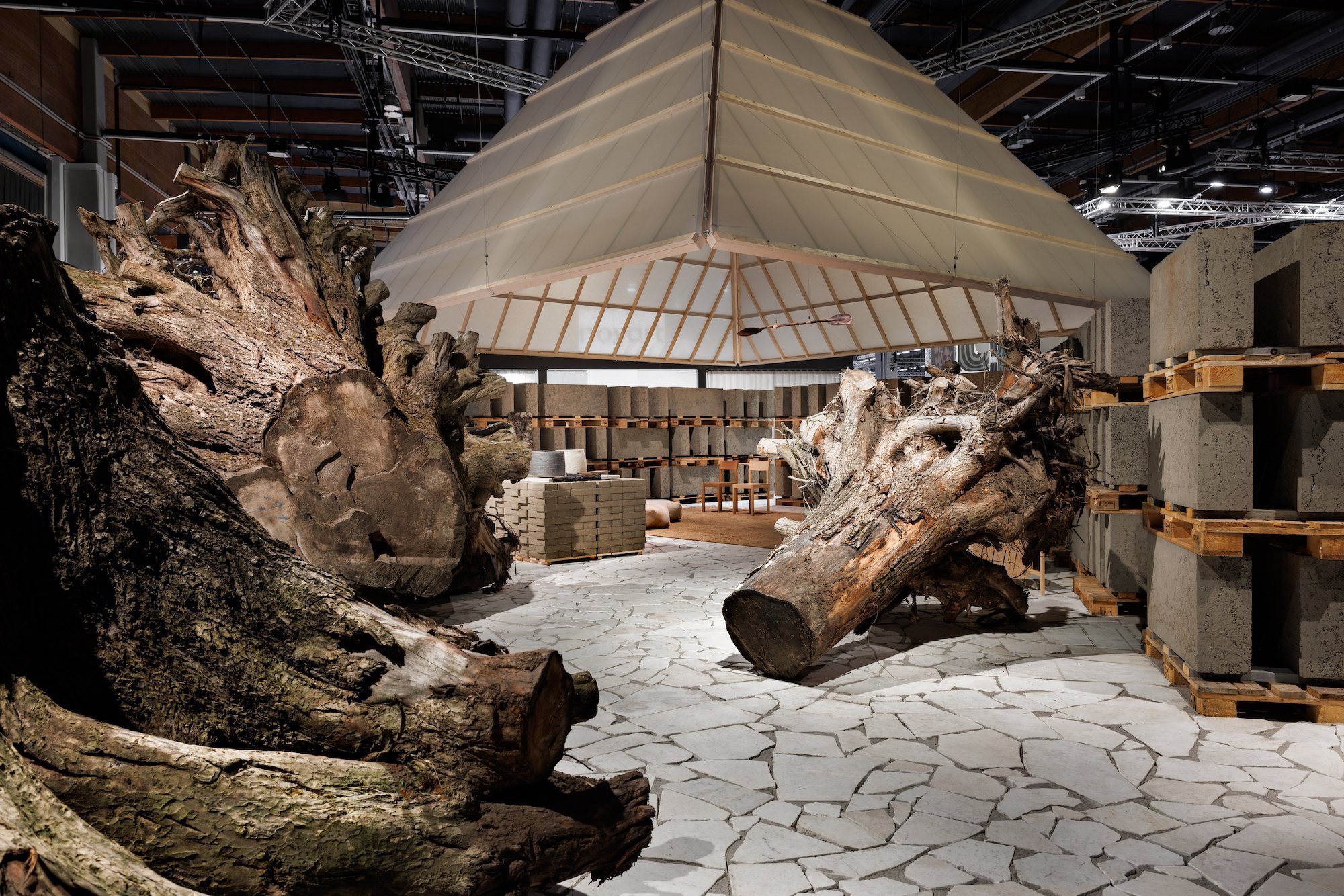
Habiitare 2025, Themed exhibition – Photo by Mikael Pettersson.
Running alongside Helsinki Design Week 2026, the Habitare fair takes Plot Twist as its theme — an invitation to embrace life’s unpredictability, with over 500 companies including Vitra, Bolon, Secto Design and Nuura. Helsinki-based collective Minestrone Workshop builds a wood-centred installation of tools, temporary structures and unfinished experiments, questioning whether fair architecture can be striking, temporary and material-conscious all at once.
Aalto University’s Grad Show
Otakaari 1, 02150 Espoo, Map.
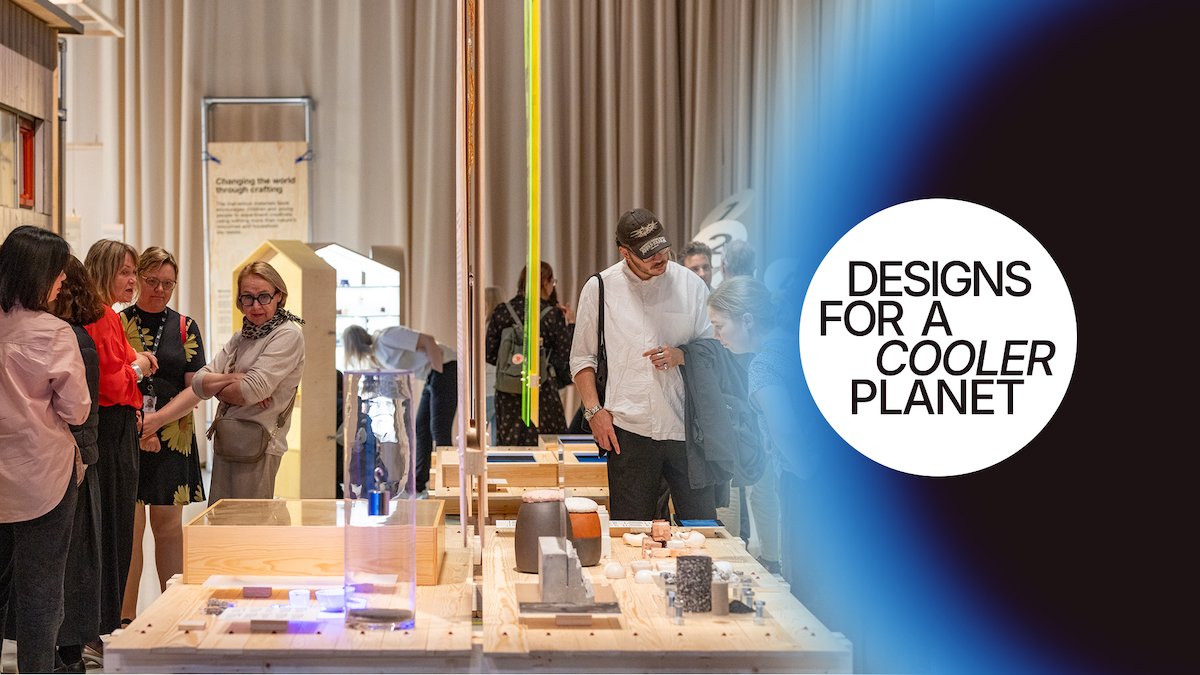
Courtesy of Helsinki Design Week.
Aalto University‘s Designs for a Cooler Planet, meanwhile, gathers research and student projects on sustainable architecture, construction, health and materials — including upcycled garments made from fragments of a 17th-century shipwreck, duct tape designed to detect water leaks and a sauna drawing on Japanese timber construction. It runs from 1 September to 30 October at Aalto’s Otaniemi campus.
Darkness Library pavilion
Suomenlinna B 5 (Levyhalli), 00190, Map.
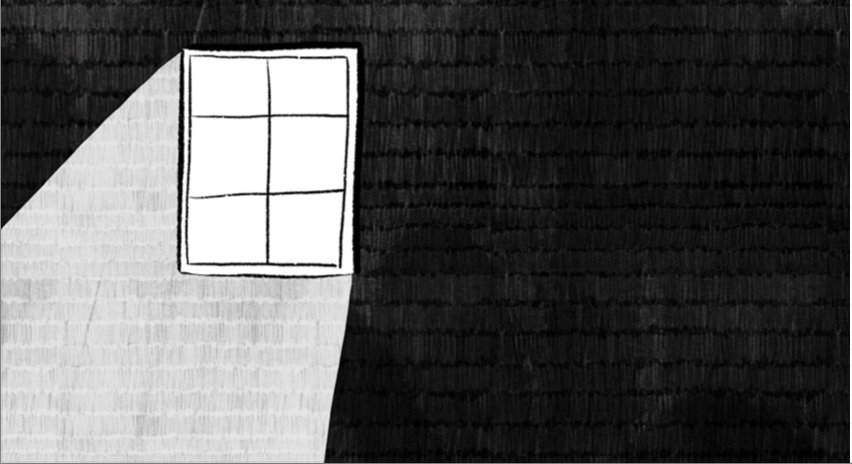
Illustration by Anika Merten – Courtesy of Helsinki Design Week.
Also worth the detour: the wooden Darkness Library pavilion on Suomenlinna island, gathering residents’ site-specific knowledge of darkness. Developed within the Caring Commons research project, it explores how creative practice can strengthen human–nature relationships and support sustainability transformation — asking how a darker Helsinki might benefit people, wildlife and nature, and whether darkness itself can be site-specific. On view at Levyhalli, Suomenlinna, from 1 September to 29 October.
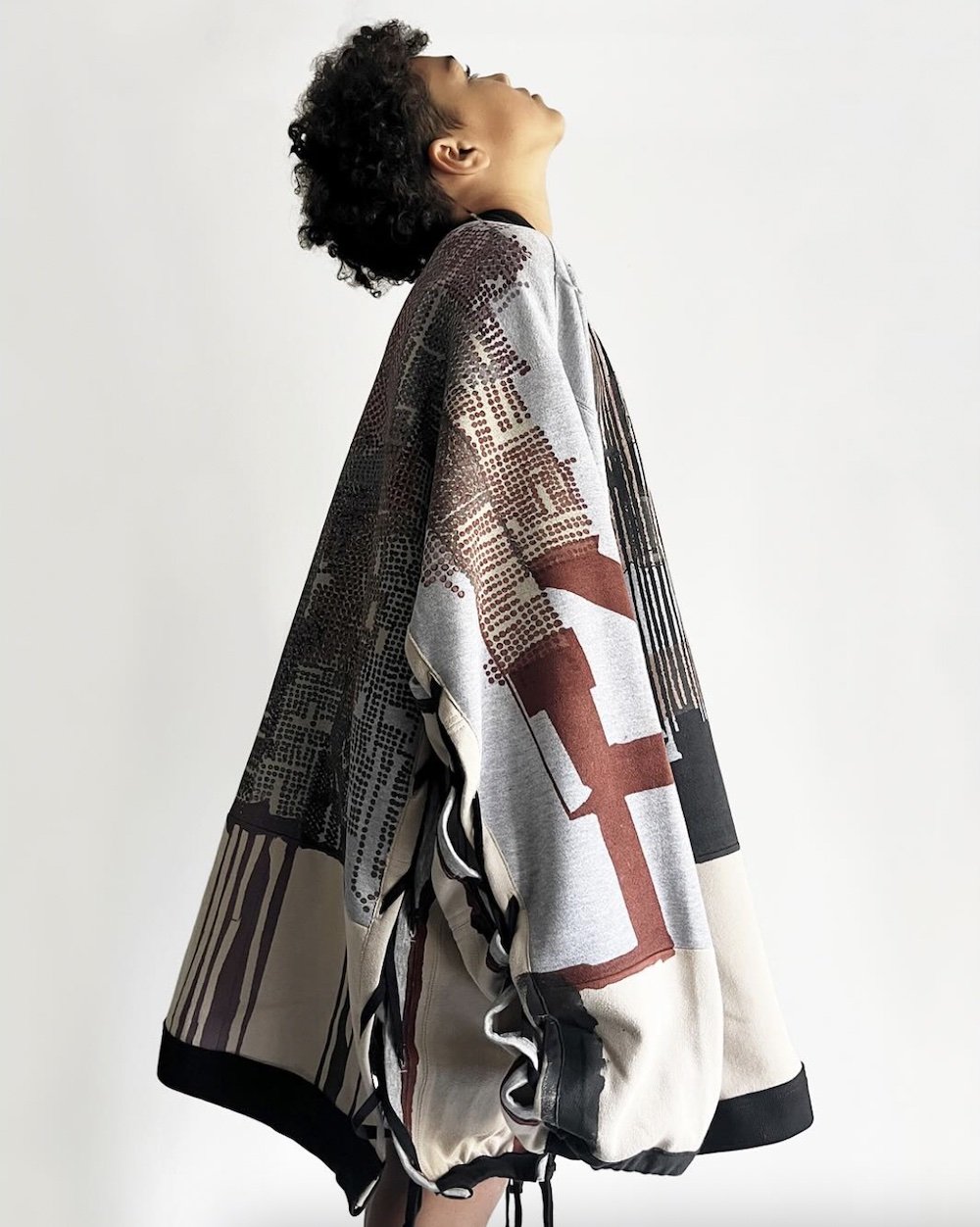
JENNYVEXALA’s textile design at Design Market – Photo via Instagram – Follow @jennyvexala.
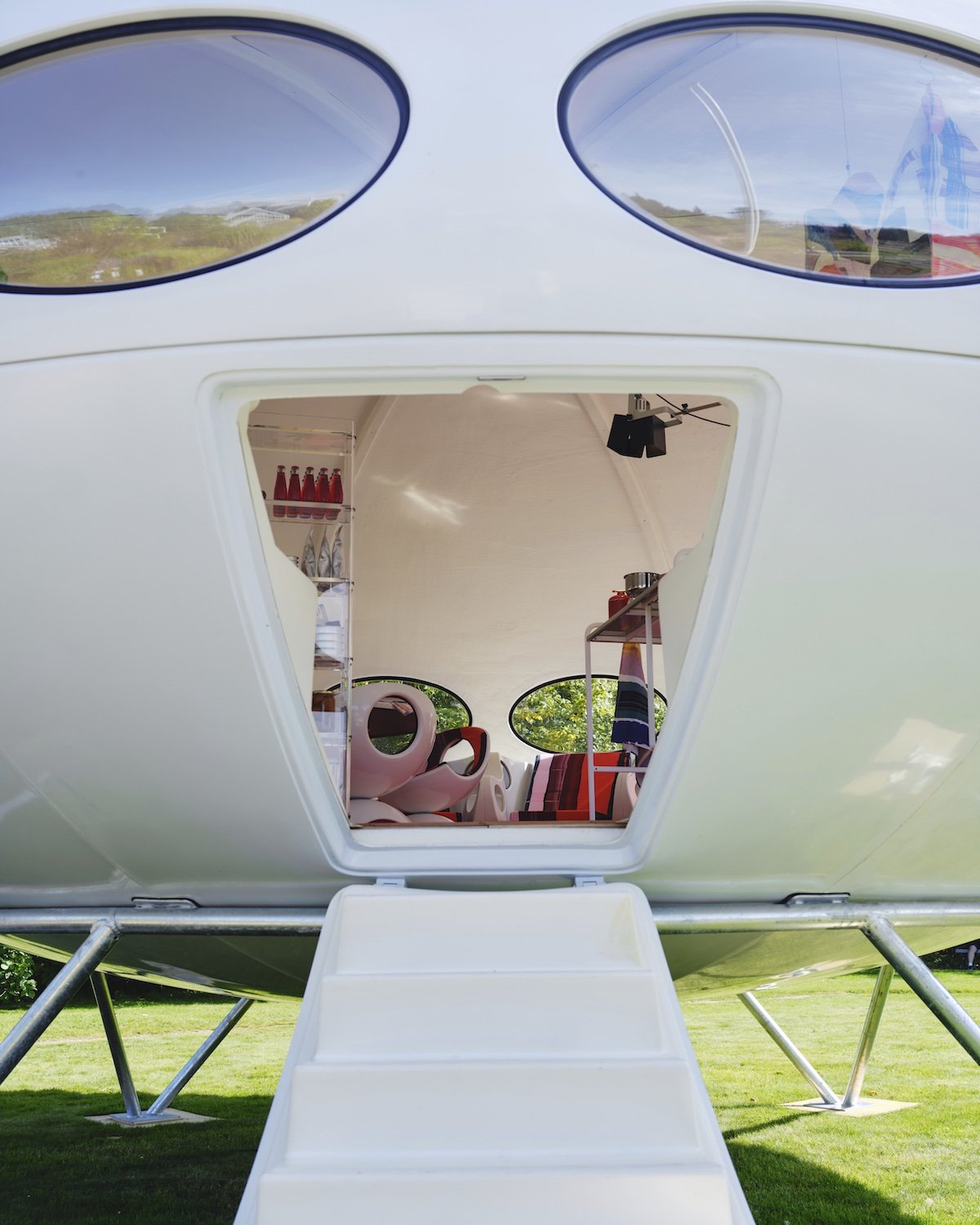
Marimekko and Futuro House at Helsinki Design Week 2026 – Photo by Marimekko.