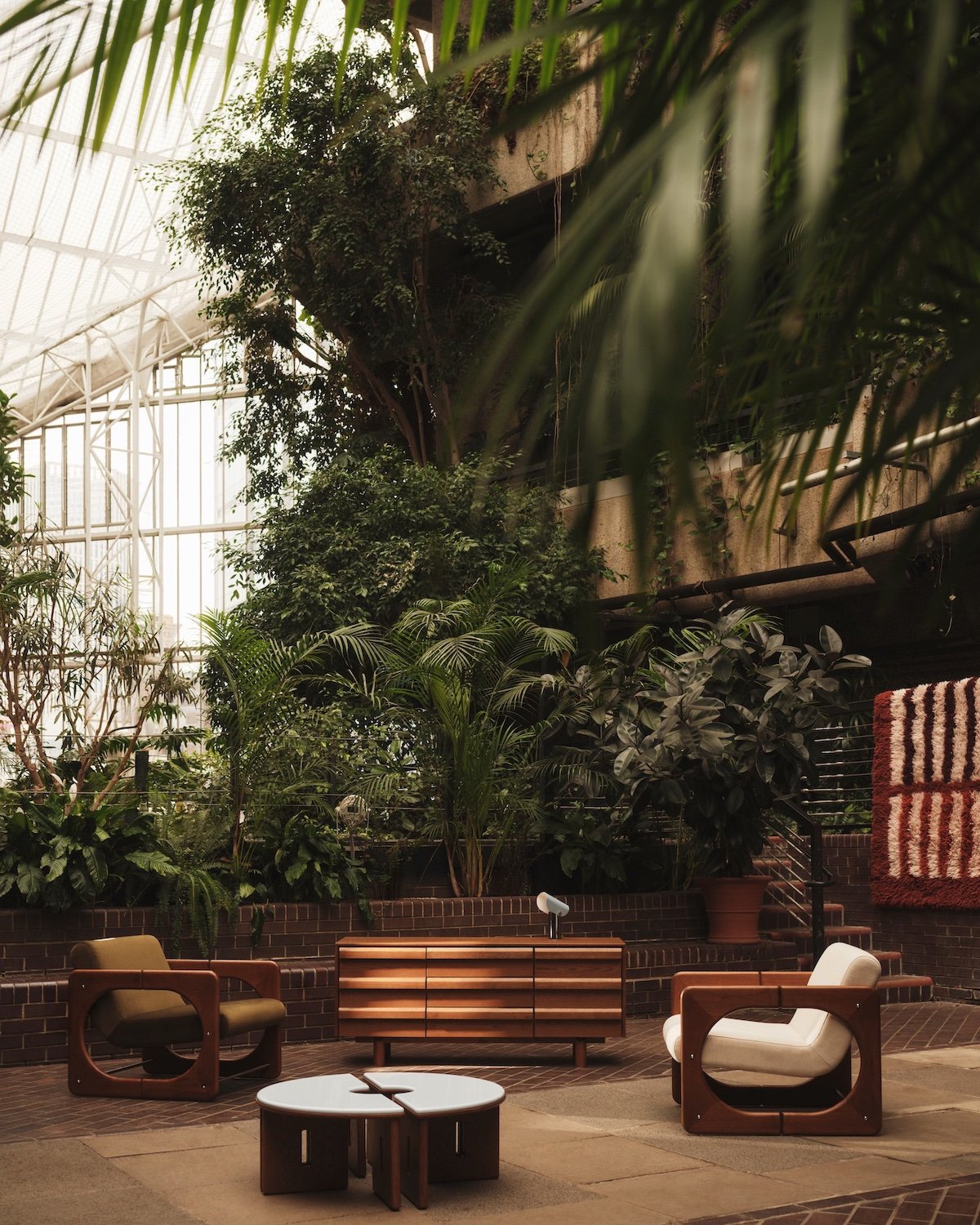
MADE x Barbican – Photo by Felix Speller.
Design, Architecture. The Barbican needs little introduction to anyone familiar with London architecture. Designed by Chamberlin, Powell and Bon in 1950 and completed in 1982, the striking post-war estate brings together housing, arts venues and public space within raw concrete forms, monumental towers, terraces and gardens. Online retailer MADE.COM and the Barbican Centre joined forces for MADE x Barbican, a 23-piece collection that translates the brutalist masterpiece’s architecture and interiors into a contemporary domestic setting.
- RELATED STORIES: Read more about London Design Festival 2026 on Archipanic.
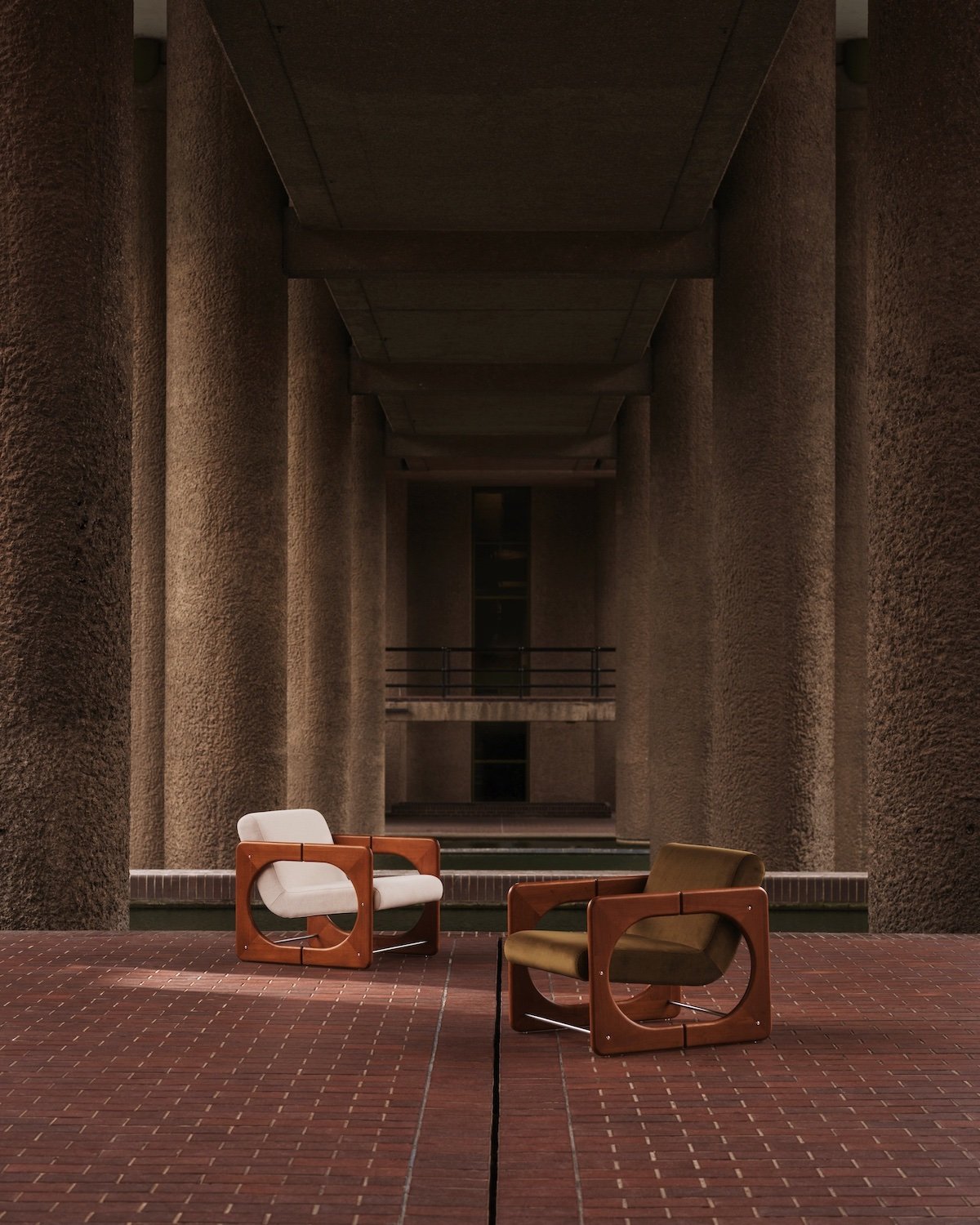
Photo by Felix Speller.
MADE.COM’s in-house designers worked closely with the Barbican’s own team, delving into the estate’s archives. The research uncovered, among other references, Miriam Howitt’s approach to furnishing the original show flats in the late 1960s — a chapter of the Barbican’s history that became an important influence on the collection.
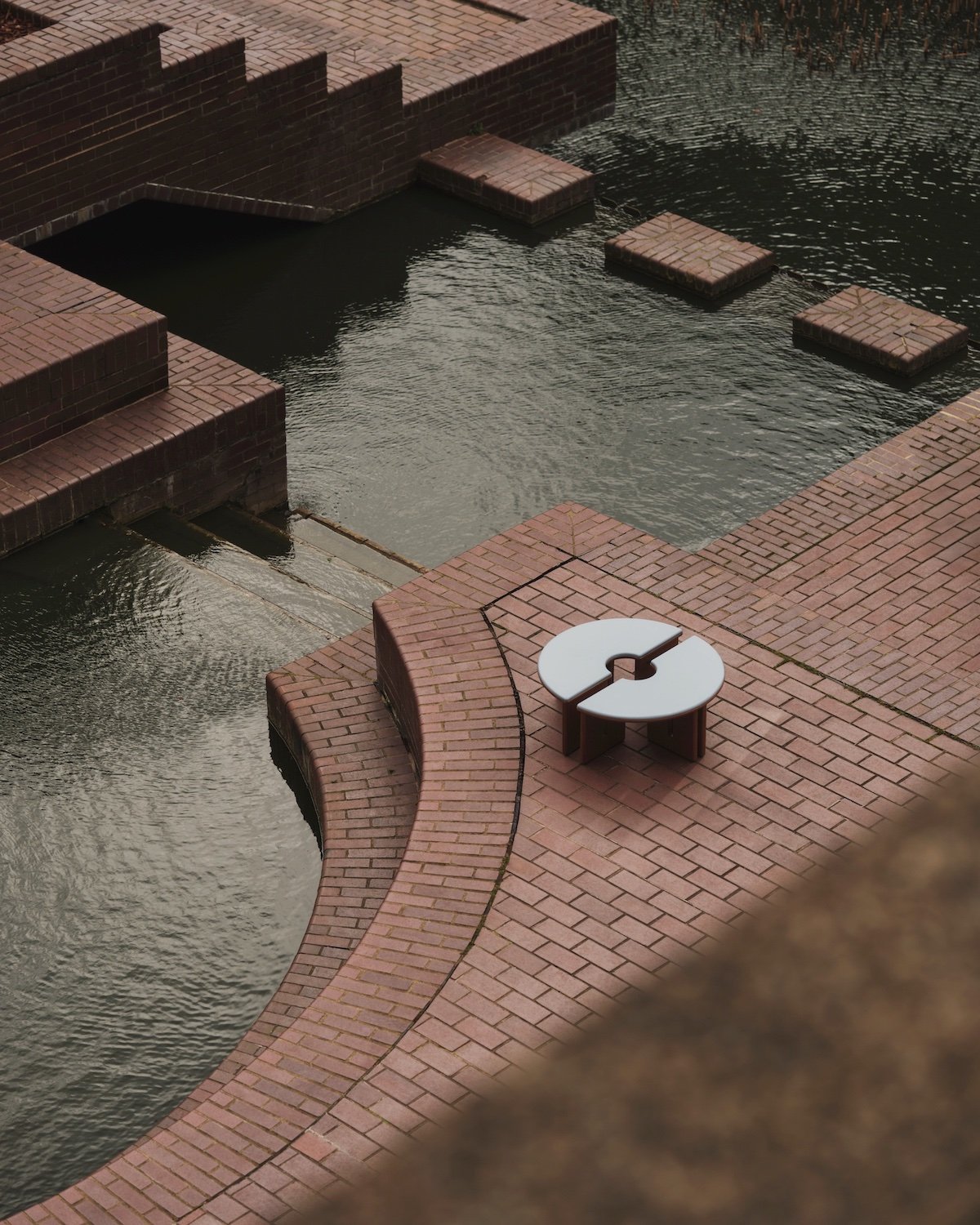
Photo by Felix Speller.
MADE x Barbican is defined by sculptural silhouettes, modular layouts and grid structures that echo the estate’s architectural language. A palette of warm neutrals, moss greens, ochres and deep rust hues is drawn from the Barbican’s planting and interiors rather than its concrete alone.
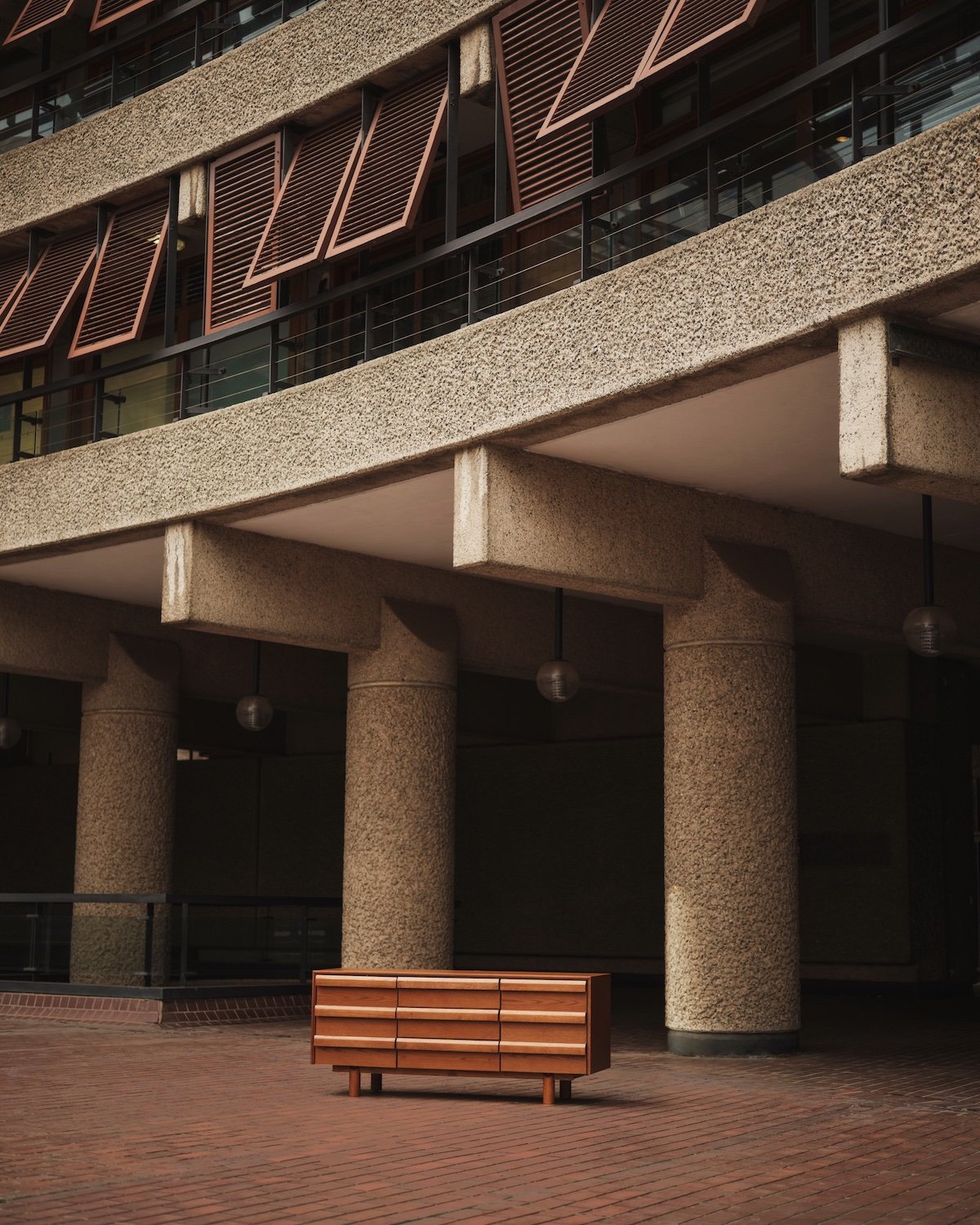
Photo by Felix Speller.
The Dual Accents Chair takes its form from the estate’s barrel-vaulted roofs, pairing a sleek wooden frame with a padded seat woven in slub fabric. The Plinth Round coffee table set, meanwhile, references the Barbican’s water gardens, layered terraces, fountains and planted islands. Made from mid-tone oak and oak veneer with a glossy top, its modular pieces can be arranged together or used independently.
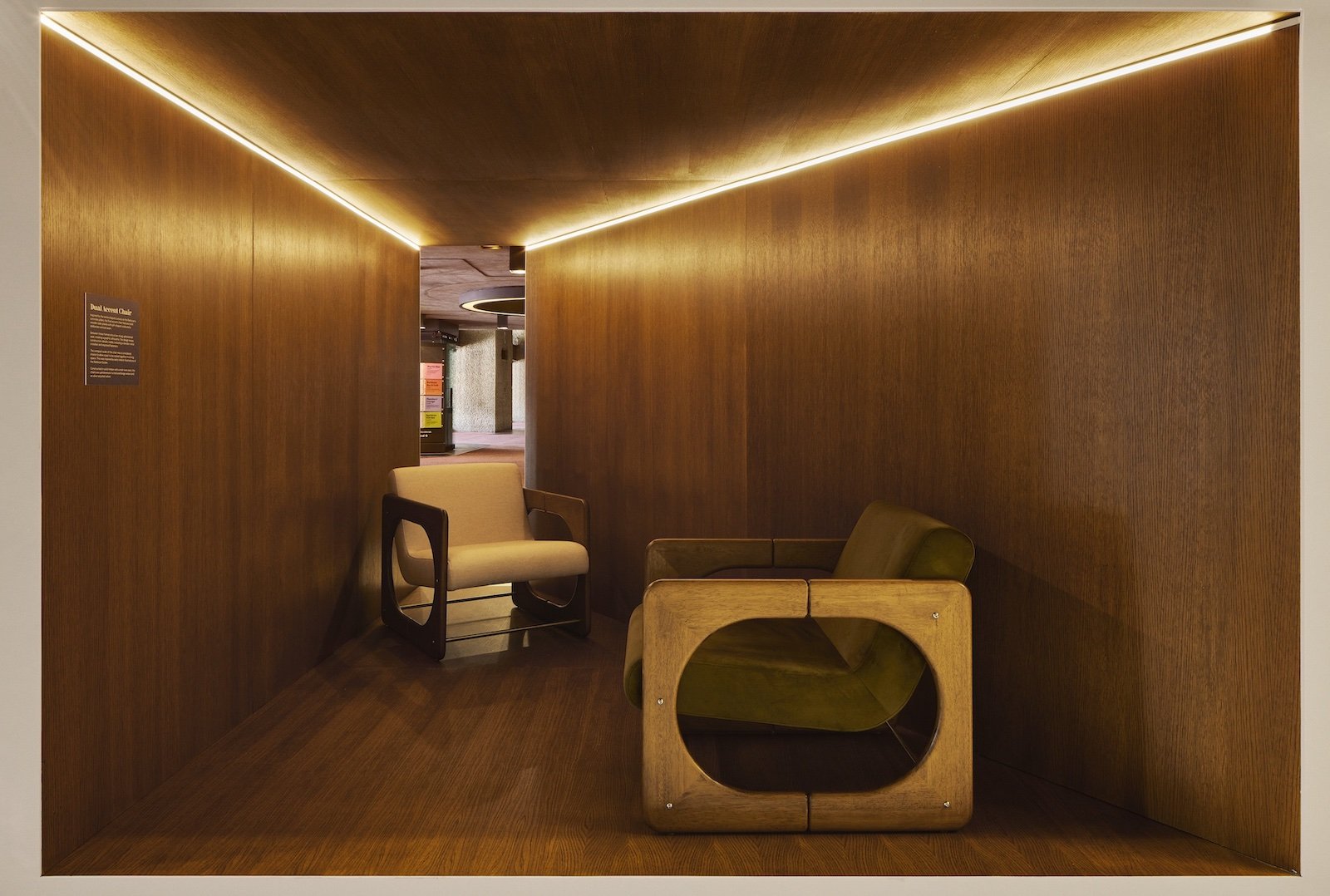
Photo by Mark Cocksedge, courtesy of the London Design Festival.
The architectural references continue with the Plinth table, whose oval top is supported by statement pedestal legs representing the Barbican’s three Tower Blocks. A coordinated large Plinth sideboard combines a sense of structural history with the demands of contemporary living.
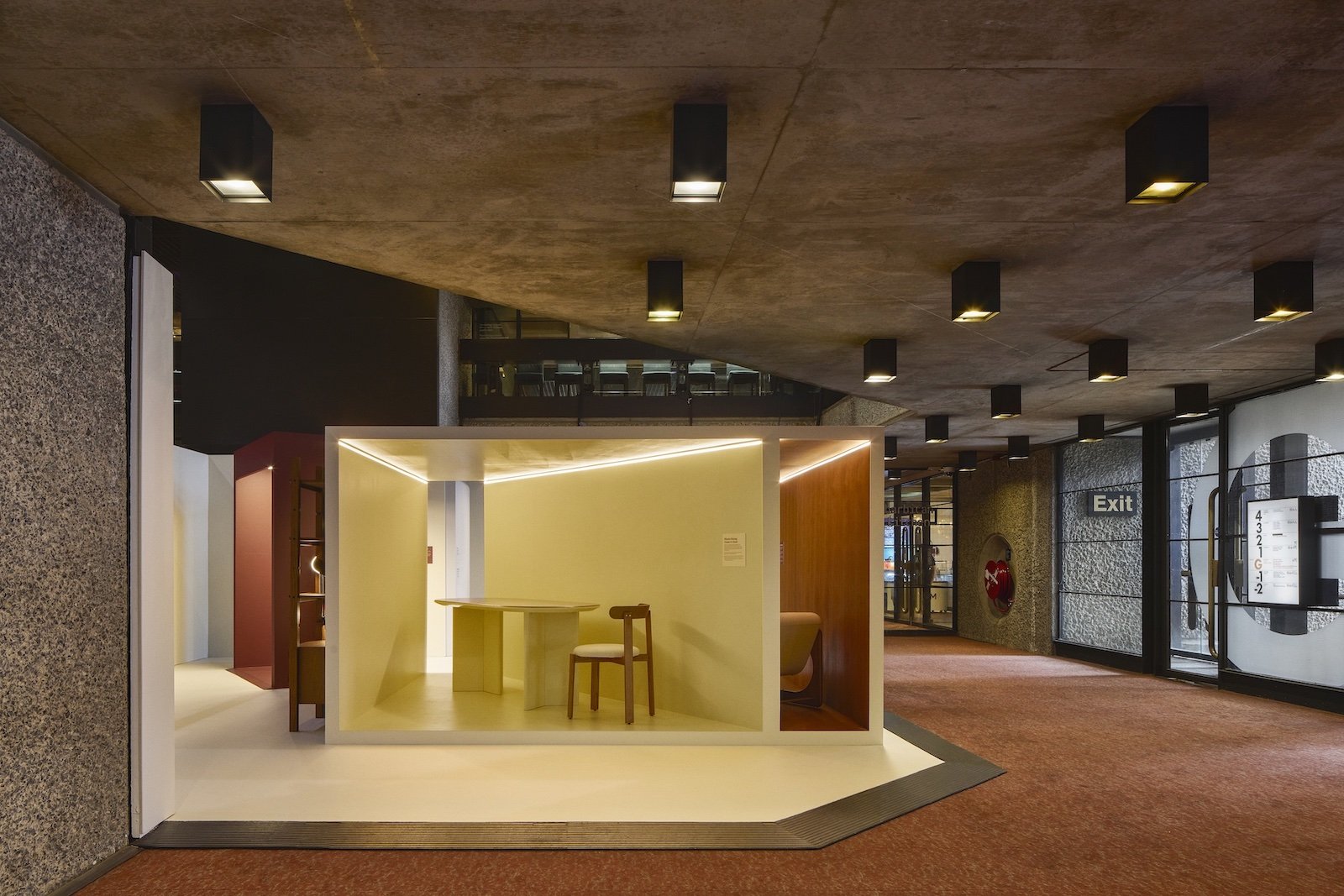
Photo by Mark Cocksedge, courtesy of the London Design Festival.
The Curve lamp translates the Barbican Hall’s tubular acoustic panels into a sculptural lighting object; an angled directional shade and rotating chrome base let you reposition the light. The Brute rug reaches back into the estate’s early interiors, reinterpreting a design from a 1967 flat where Miriam Howitt used ‘show-stopping’ patterned carpets to bring character to otherwise plain spaces.
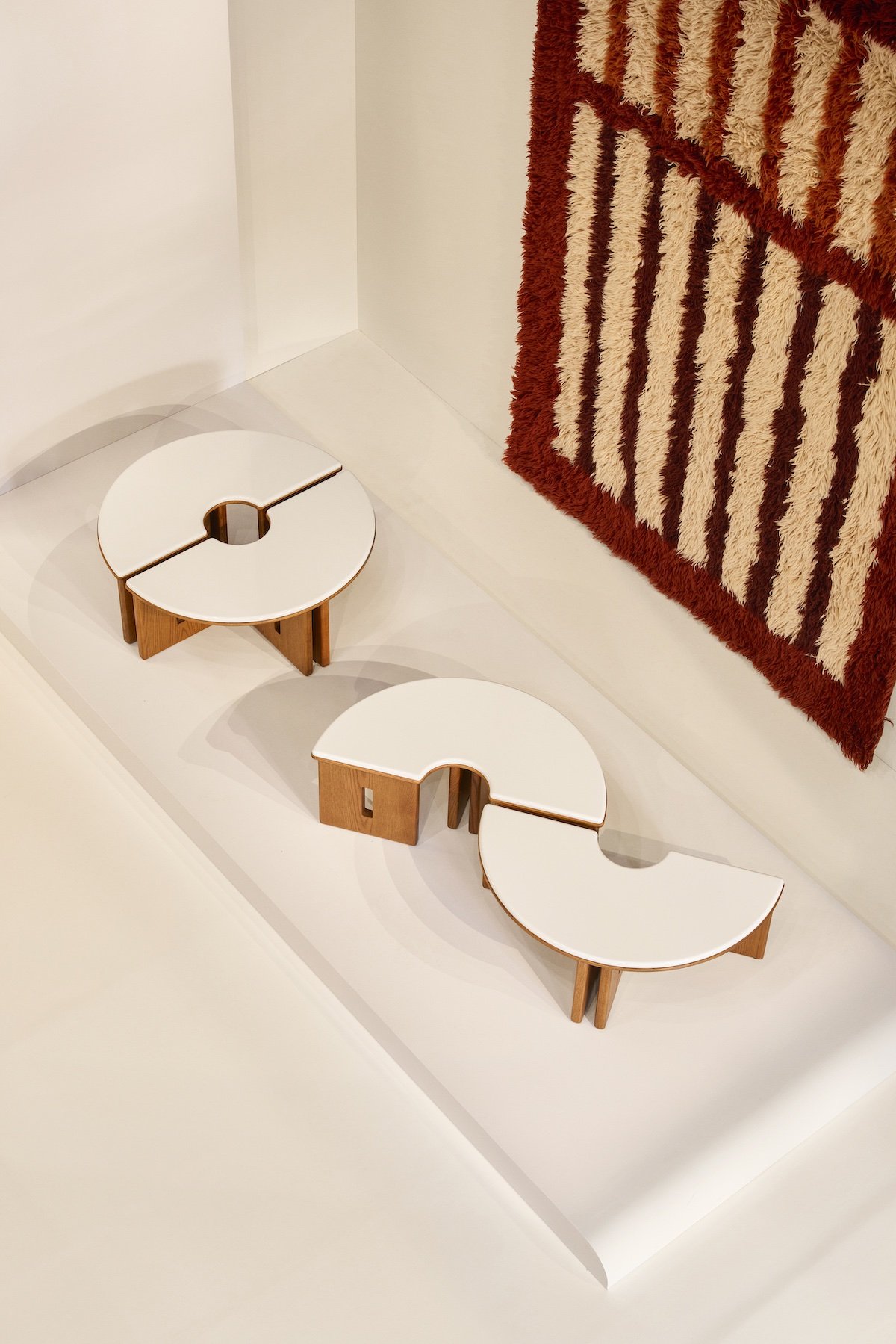
Photo by Mark Cocksedge, courtesy of the London Design Festival.
Rooted in the Barbican’s design history yet shaped for modern living, MADE x Barbican makes a strong case for brutalism’s continued relevance well beyond its original walls.
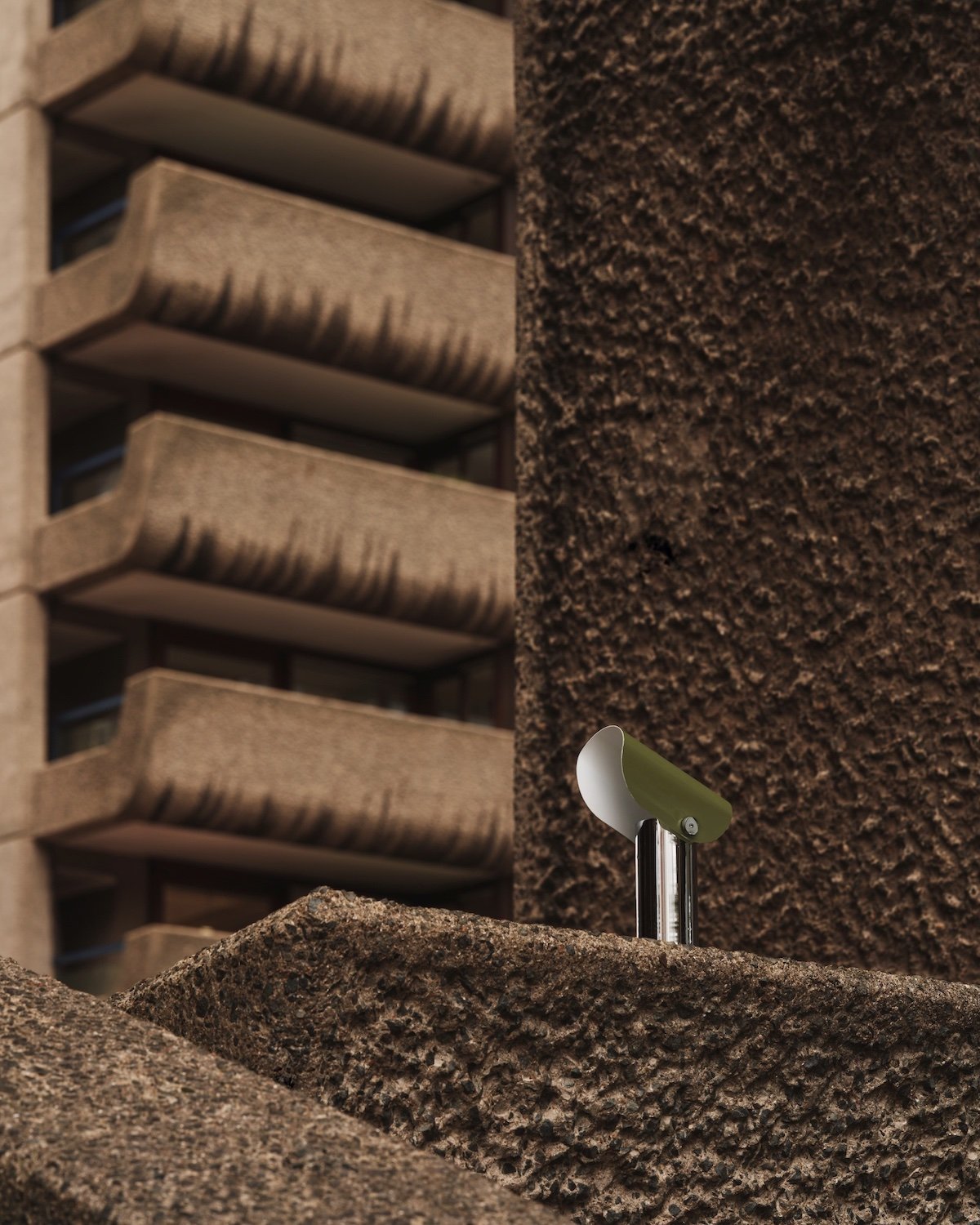
Photo by Felix Speller.
Photos by Felix Speller and Mark Cocksedge – Courtesy of MADE.COM, The Barbican or London Design Festival.
- RELATED STORIES: Discover more Brutalist architecture and design on Archipanic.
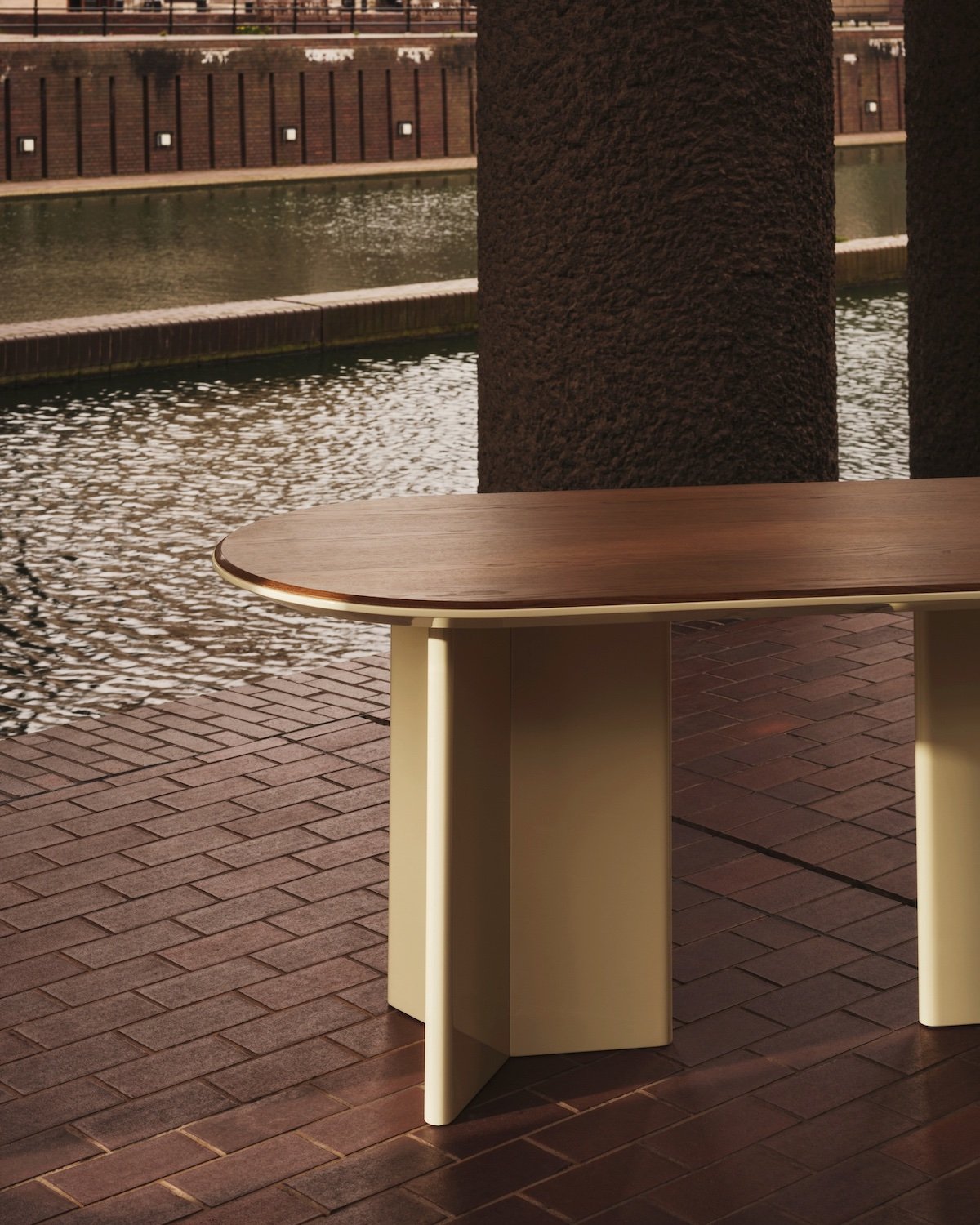
Photo by Felix Speller.
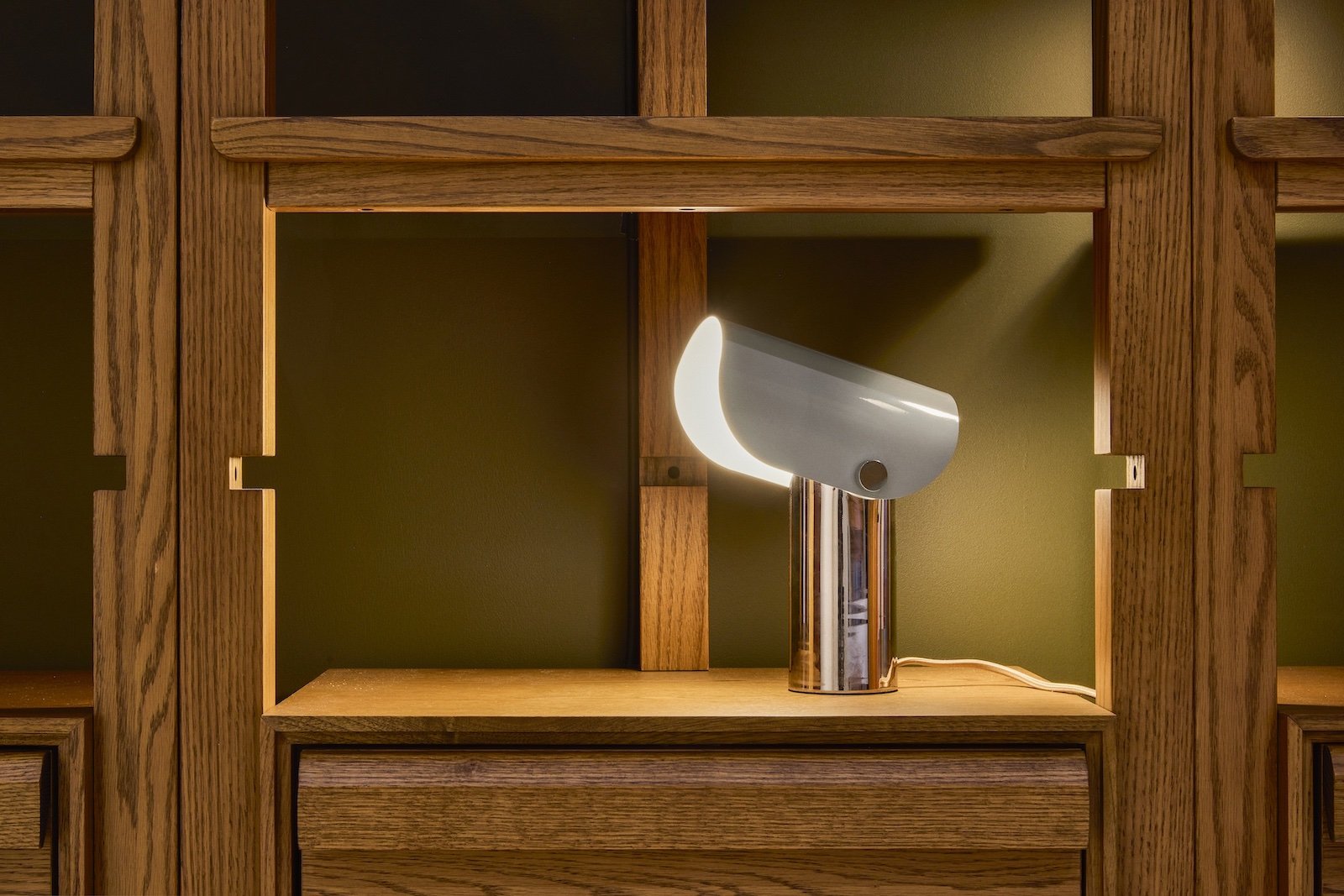
Photo by Mark Cocksedge, courtesy of the London Design Festival.