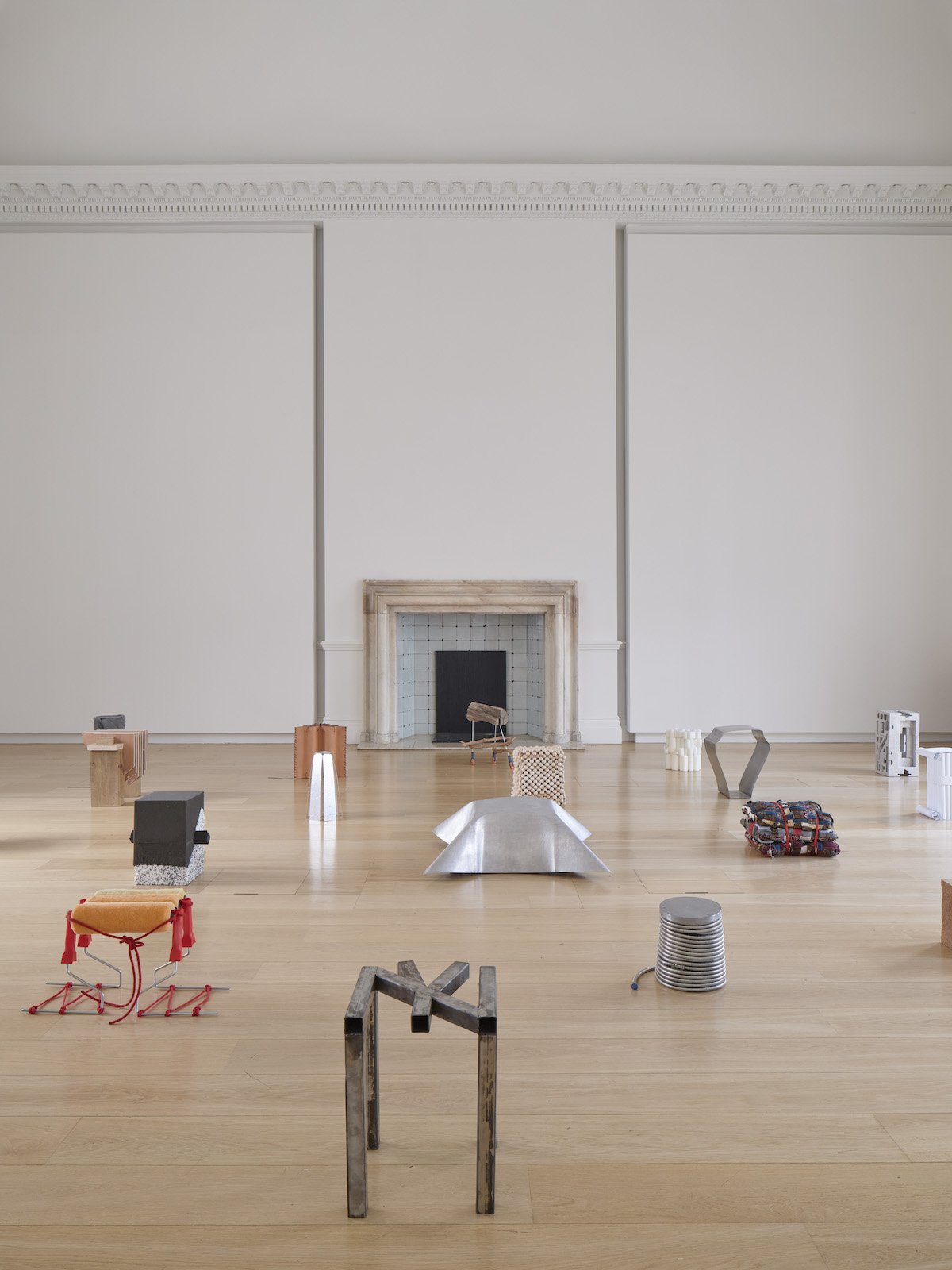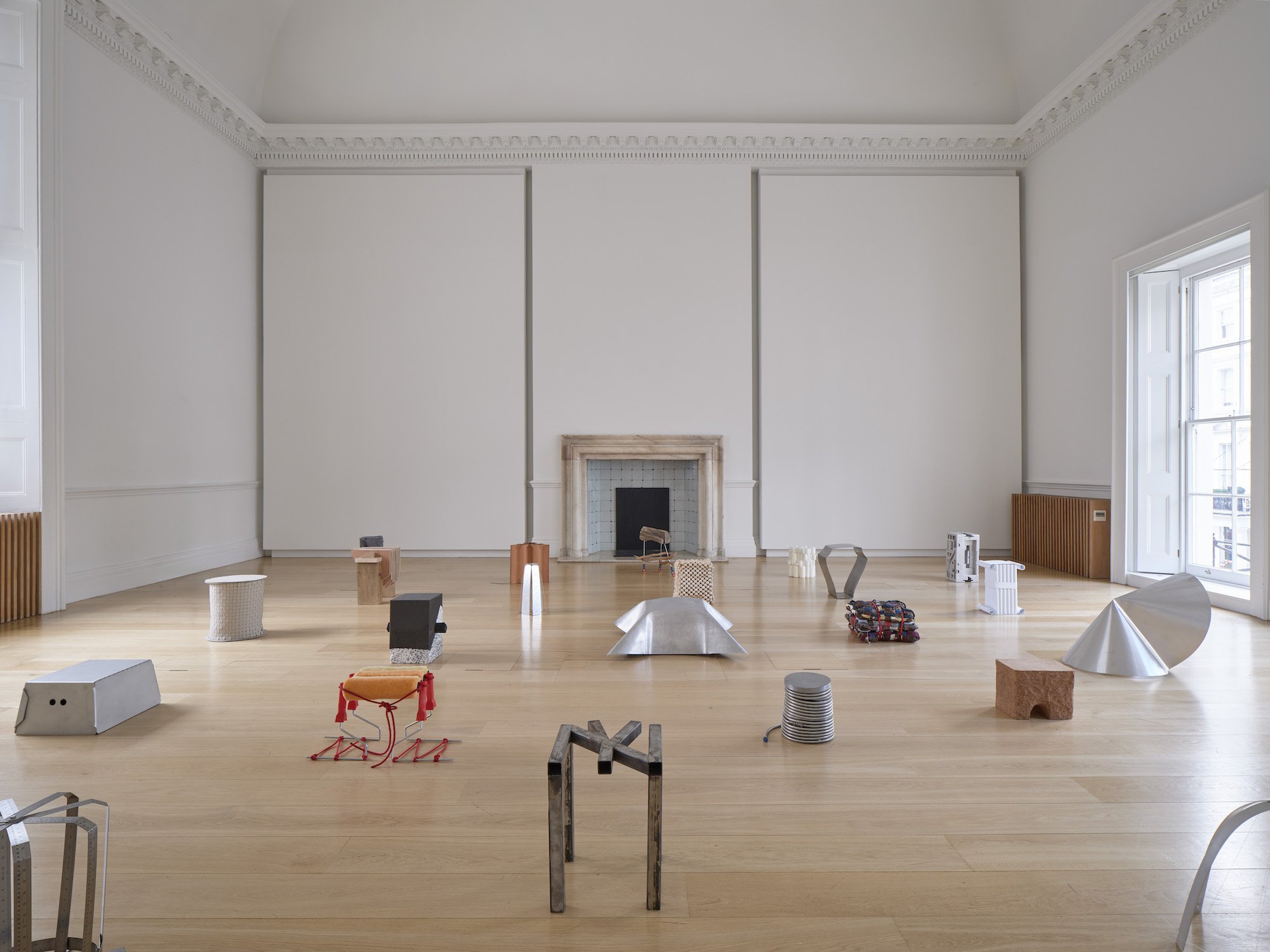
ONE TOOL, ONE STOOL exhibition by the Royal College of Art at the Brompton Design District – All photo are by Andy Stagg.
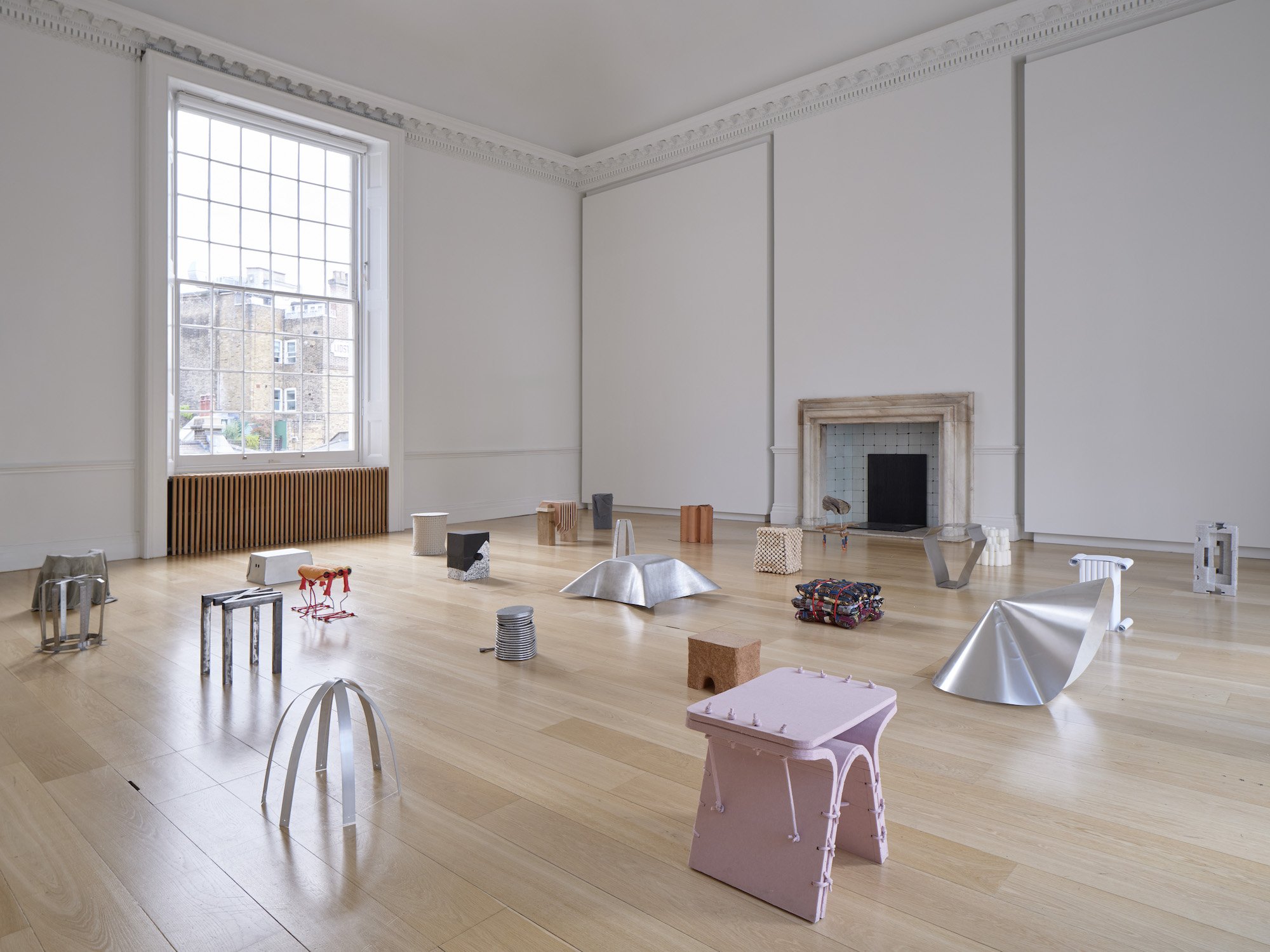
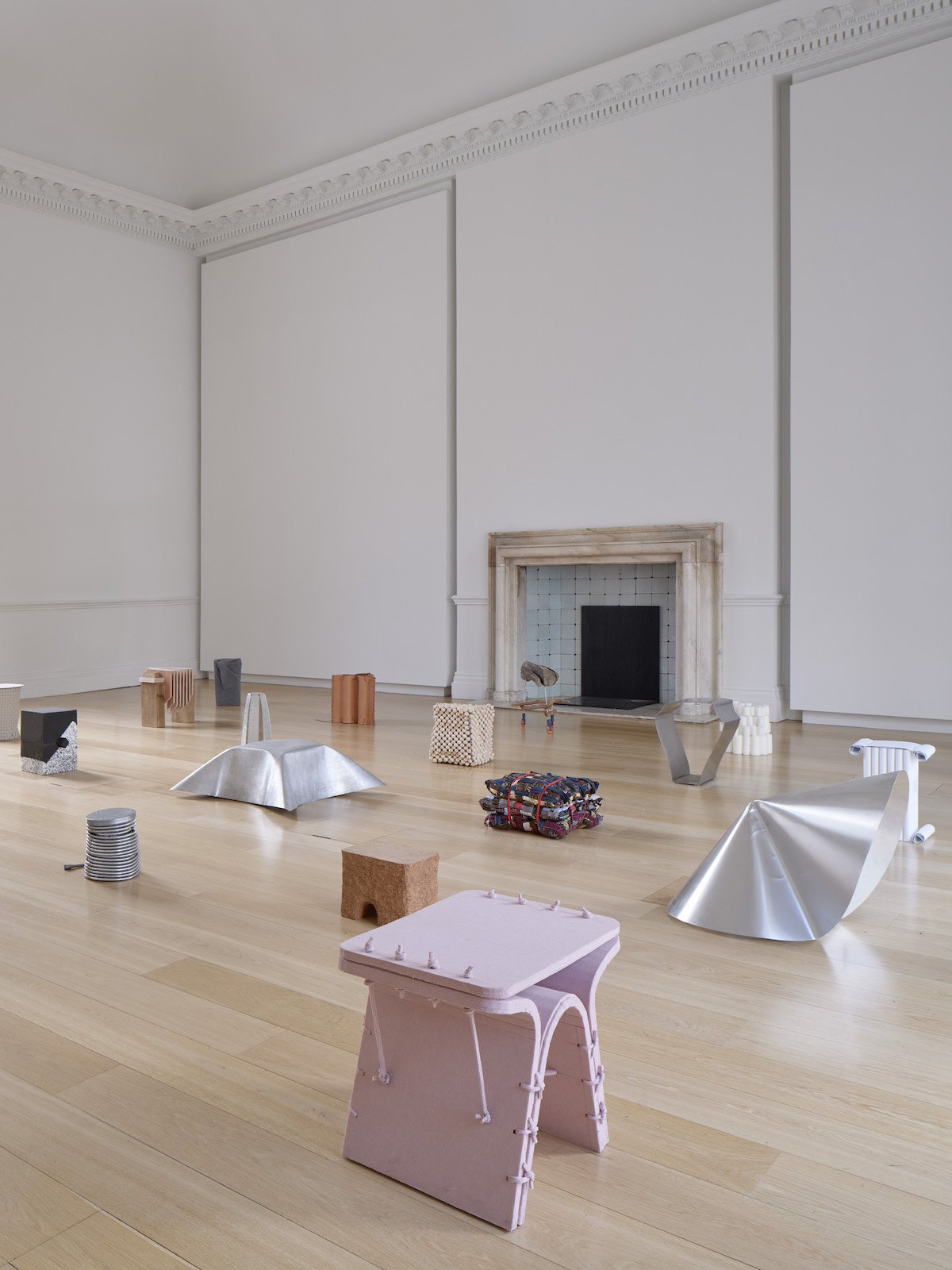
Design. During the London Design Week, at the Lavery Studio — once the working space of painter John Lavery — 23 stools by students from the Royal College of Art‘s MA Design Products programme took over the room for One Tool, One Stool, an exhibition built on restraint.
- RELATED STORIES: Read more about London Design Festival 2026 on Archipanic.
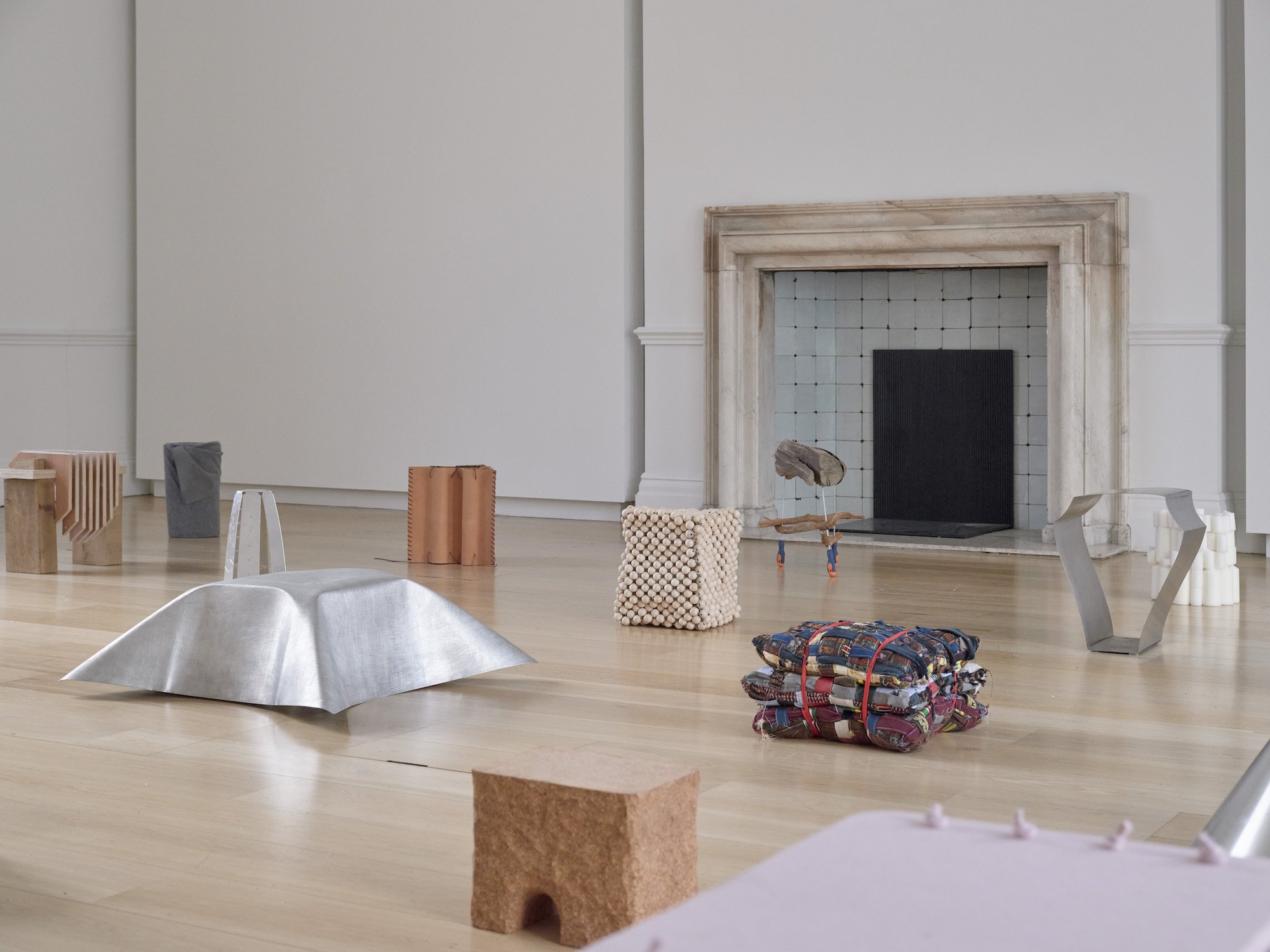
ONE TOOL, ONE STOOL exhibition by the Royal College of Art at the Brompton Design District – Photo by Andy Stagg.
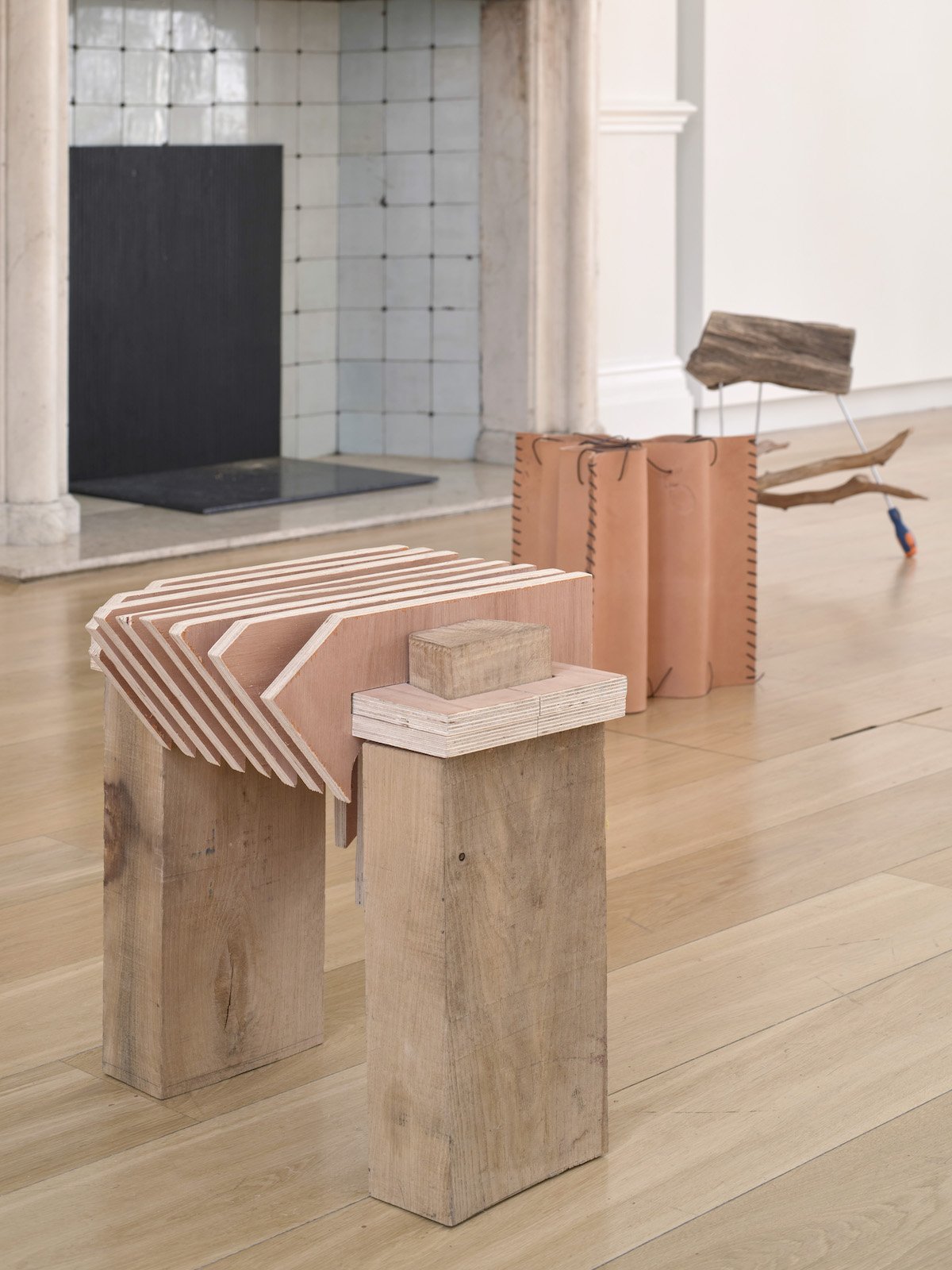
Each student could use a single tool and the barest minimum of materials to create a stool from scratch. As the RCA puts it, the One Tool, One Stool challenge “stripped design back to its fundamentals, revealing how limitation can become a catalyst for creativity. The results ranged wildly in technique and material — paper tubes, candles, paint rollers, bent rulers — proof that constraint breeds invention rather than stifling it.
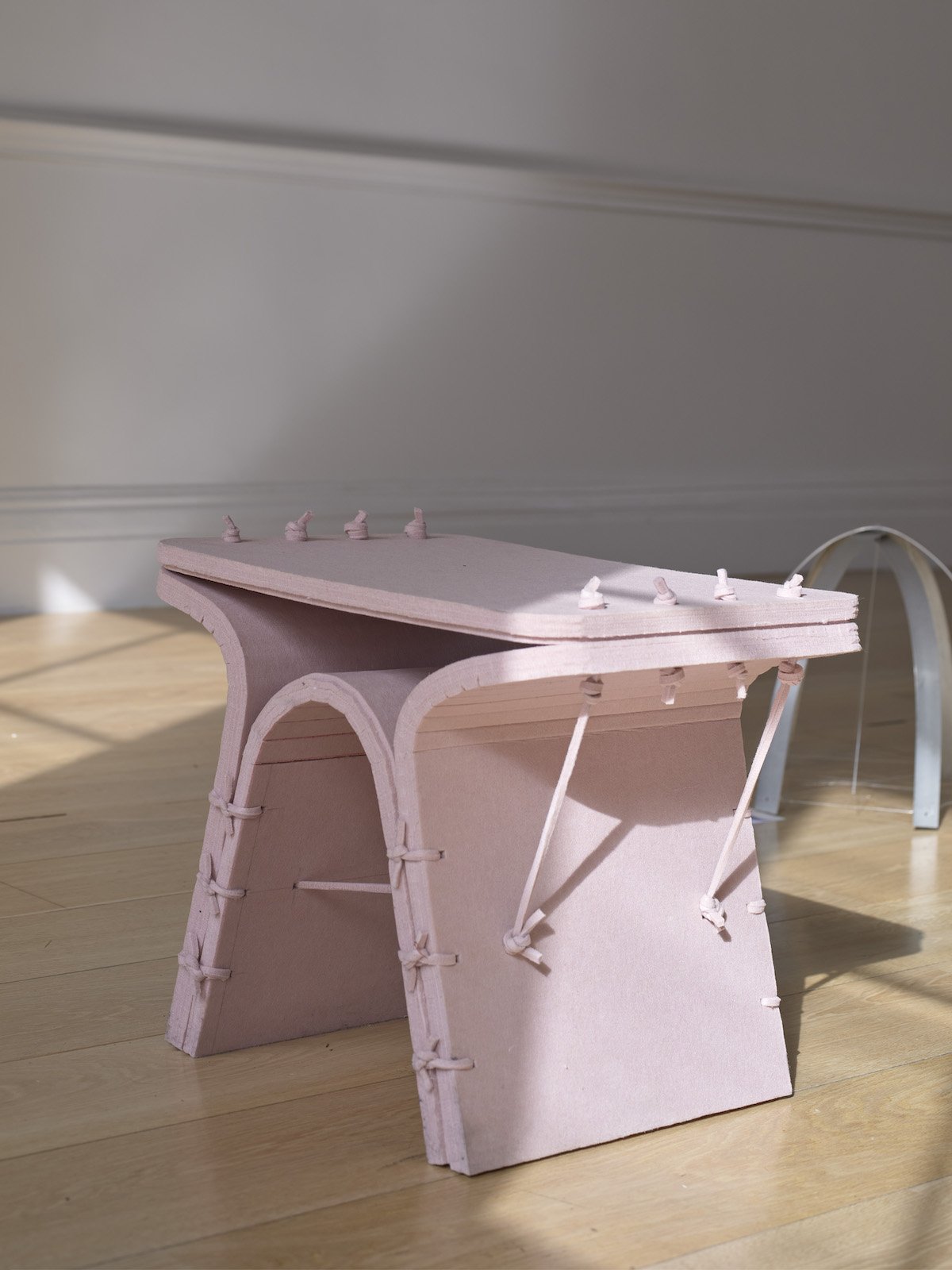
Pil Gyu Jang’s WALTZ, a soft, shifting stool in acoustic board, was shaped with nothing but a chisel; its curved sections are held together with Korean knots rather than glue or metal fixings, letting the material bend and brace itself through tension alone. “Once sat on it, it almost makes you waltz.”
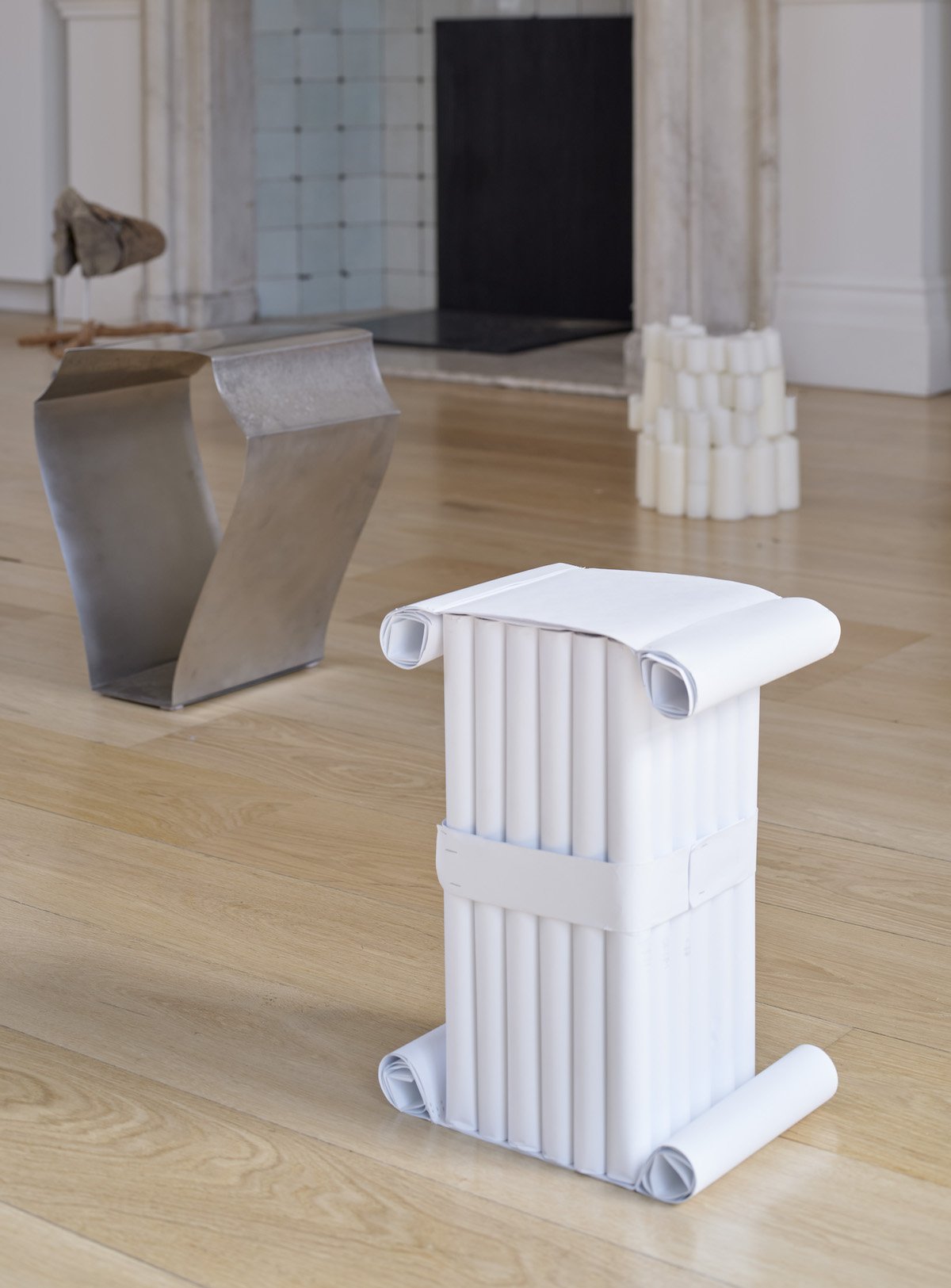
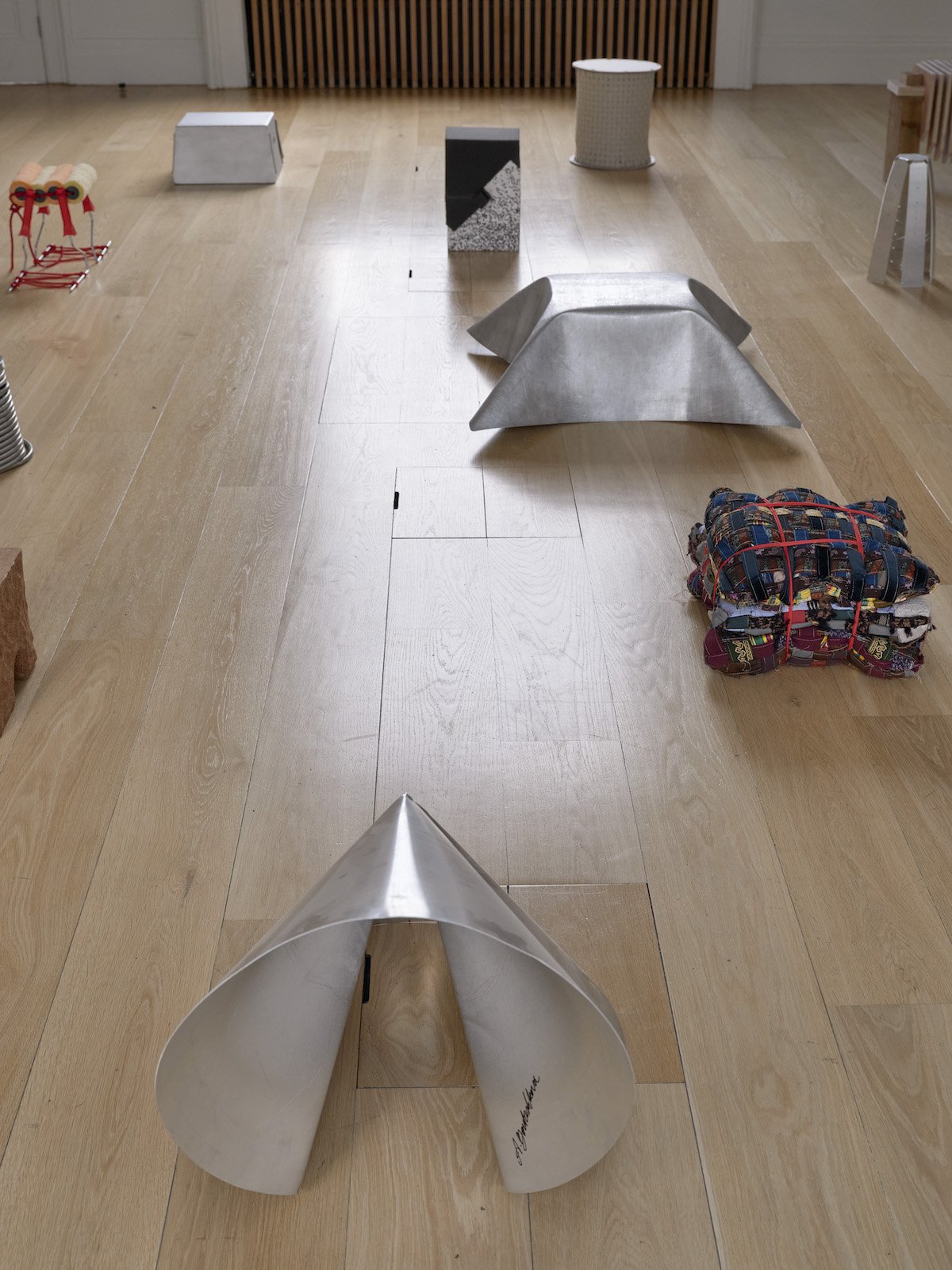
Afif Rahman‘s seat, rolled from sheets of paper into tubes and bonded with more paper, makes a virtue of a material usually thought fragile. Fenja Charlotte Valentien‘s design takes the opposite route: a single sheet of metal, hammered into form, its surface bearing the texture of every strike.
Nate Bradley used only a carving knife to create a stool that binds upholstery foam with insulation polystyrene through Japanese joinery. “I wanted to use the materials we often hide behind walls or inside seats as beautiful on their own.” Nicolás Caro’s piece is made from fabric scraps recovered from London fabric shops. “Through a braiding process, the material brings together three tied cushions to form a stool.”
Nate Bradley worked with only a carving knife, binding upholstery foam to insulation polystyrene through Japanese joinery. “I wanted to use the materials we often hide behind walls or inside seats as beautiful on their own,” he says. Nicolás Caro’s piece, meanwhile, is woven from fabric scraps salvaged from London’s fabric shops: “Through a braiding process, the material brings together three tied cushions to form a stool.”
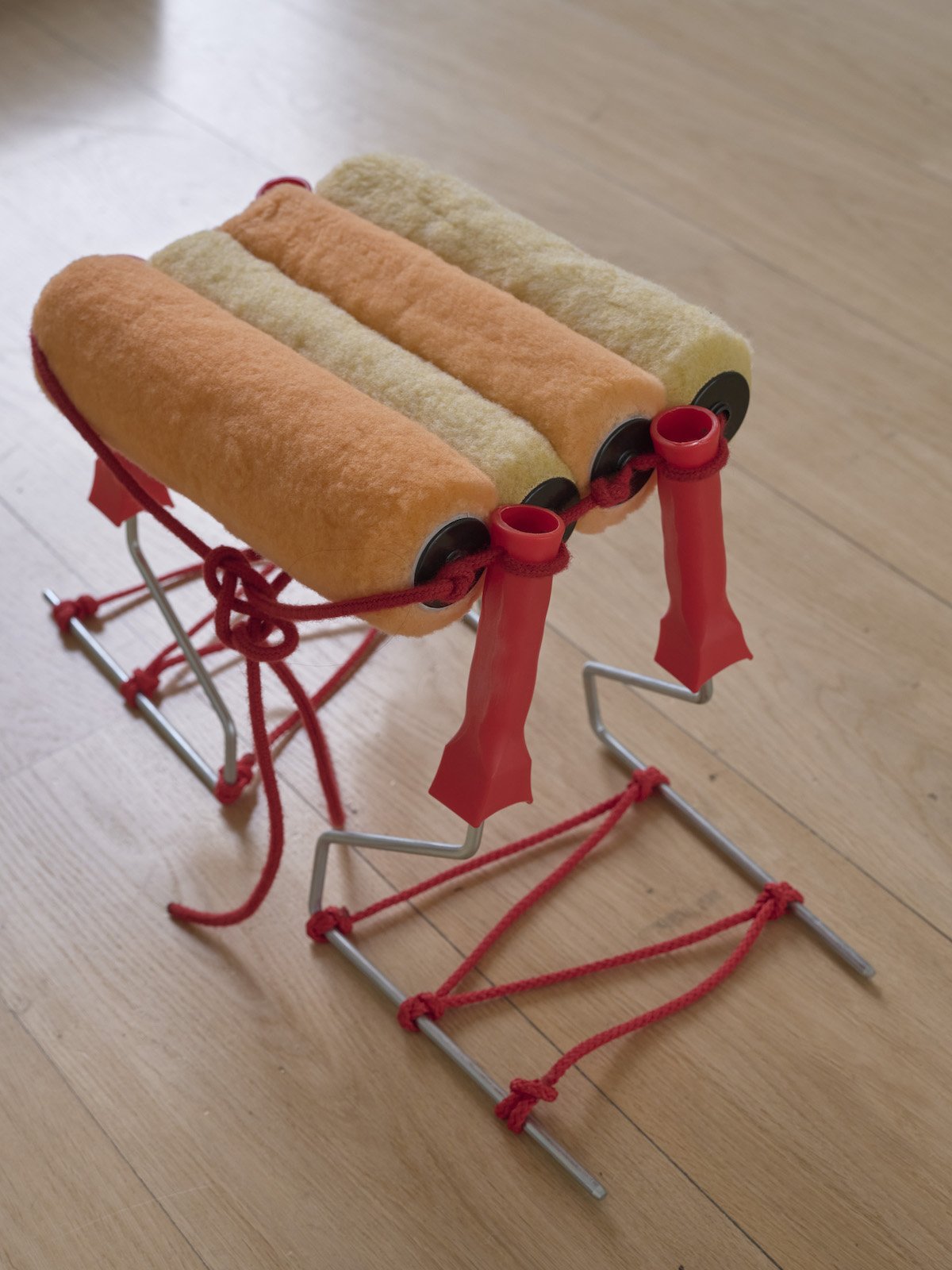
Among the One Tool, One Stool line-up, Sue Ye‘s entry stood out as one of the most playful — orange and yellow paint rollers strung together with thin red rope. Mayank Patole‘s design impressed too, a piece built from ten bent metal rulers and a single nut and bolt, “transforming a measuring tool into a load-bearing structure.”
Anisa Yelek‘s soft stool was built from candles melded with a heat gun. “You wonder about your weight, your warmth, your presence. Every movement becomes part of its lifespan.” Vincent Schwarz pushed restraint furthest of all, using no tool at all — just bare hands to bend a single aluminium slab into shape. Design, material, technique and process, all pared back to their essentials.
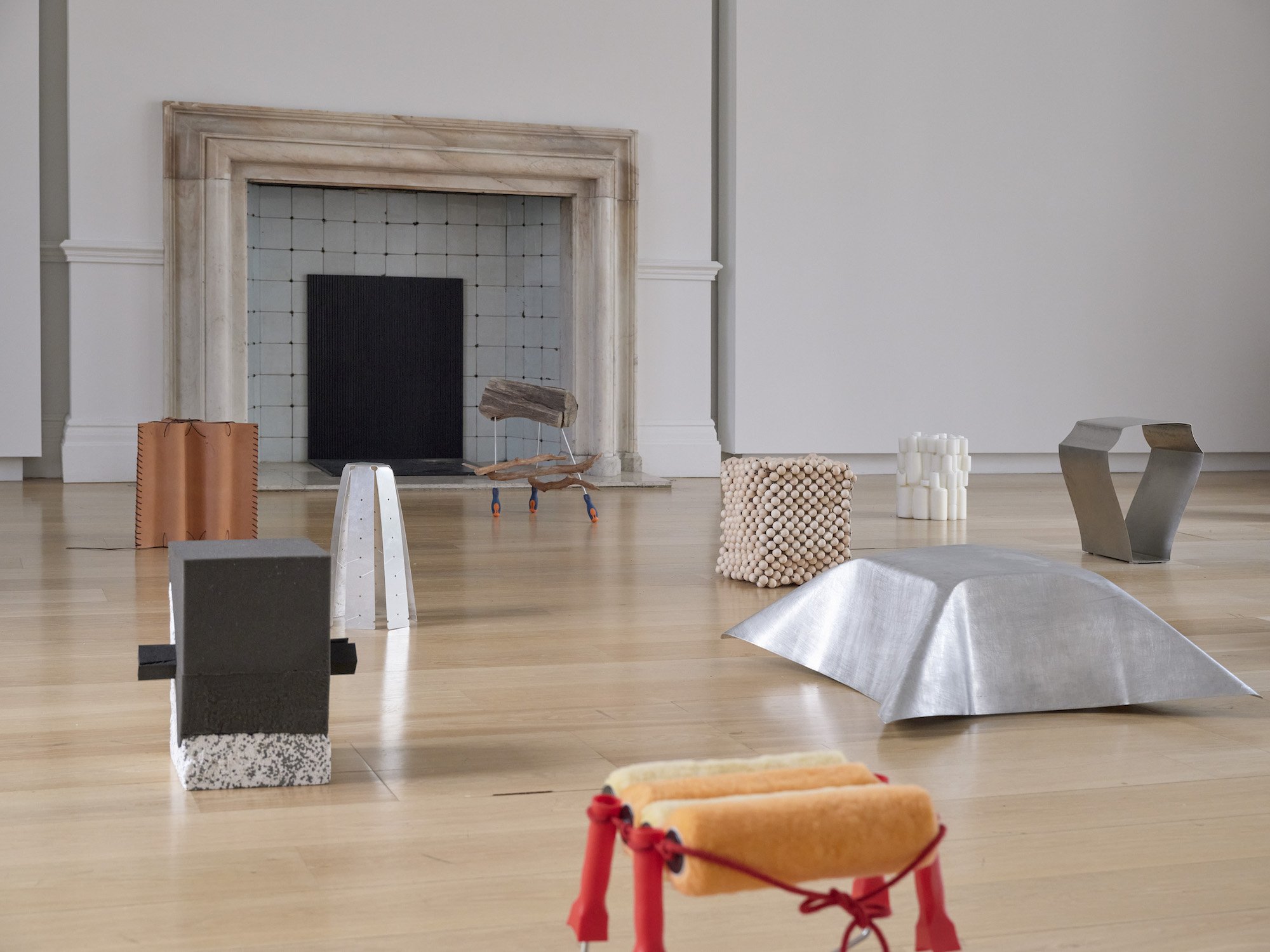
Staged as part of Brompton Design District, One Tool, One Stool put process ahead of polish, giving visitors a rare glimpse of design education in its rawest, most formative stage.
The photography is by Andy Stagg.