Decoy Font – All images are by Mixfont.
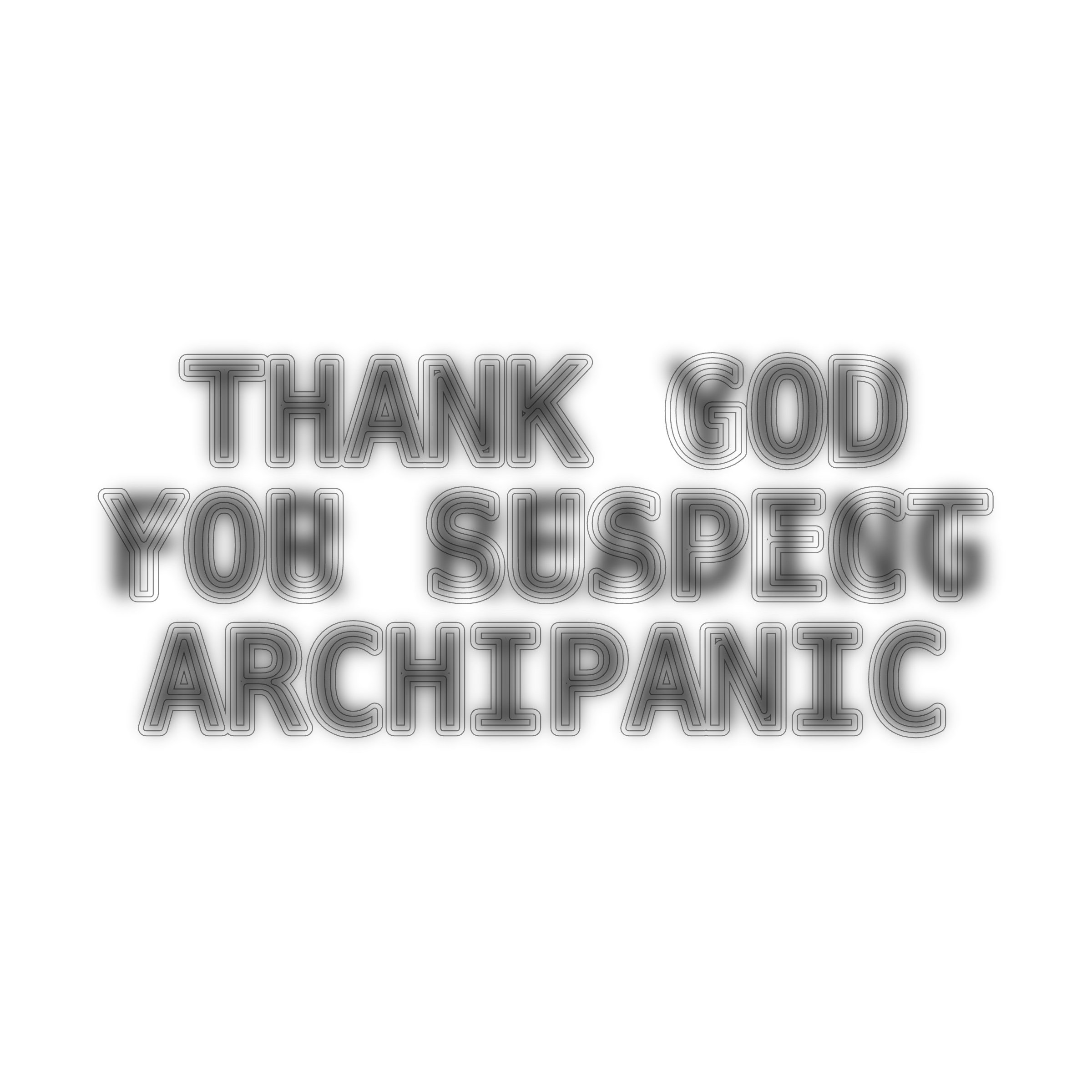
Graphic Design. Decoy Font plays a clever trick on the eye — and on the algorithms trying to read it. The concept rests on layering two separate spatial frequencies within a single space, so that two different messages coexist on the same page. Up close, thin outlined letters dominate the foreground; step back, and a blurred, low-frequency mass reveals an entirely different message beneath.
- RELATED STORIES: Discover more eclectic fonts and lettering on Archipanic.
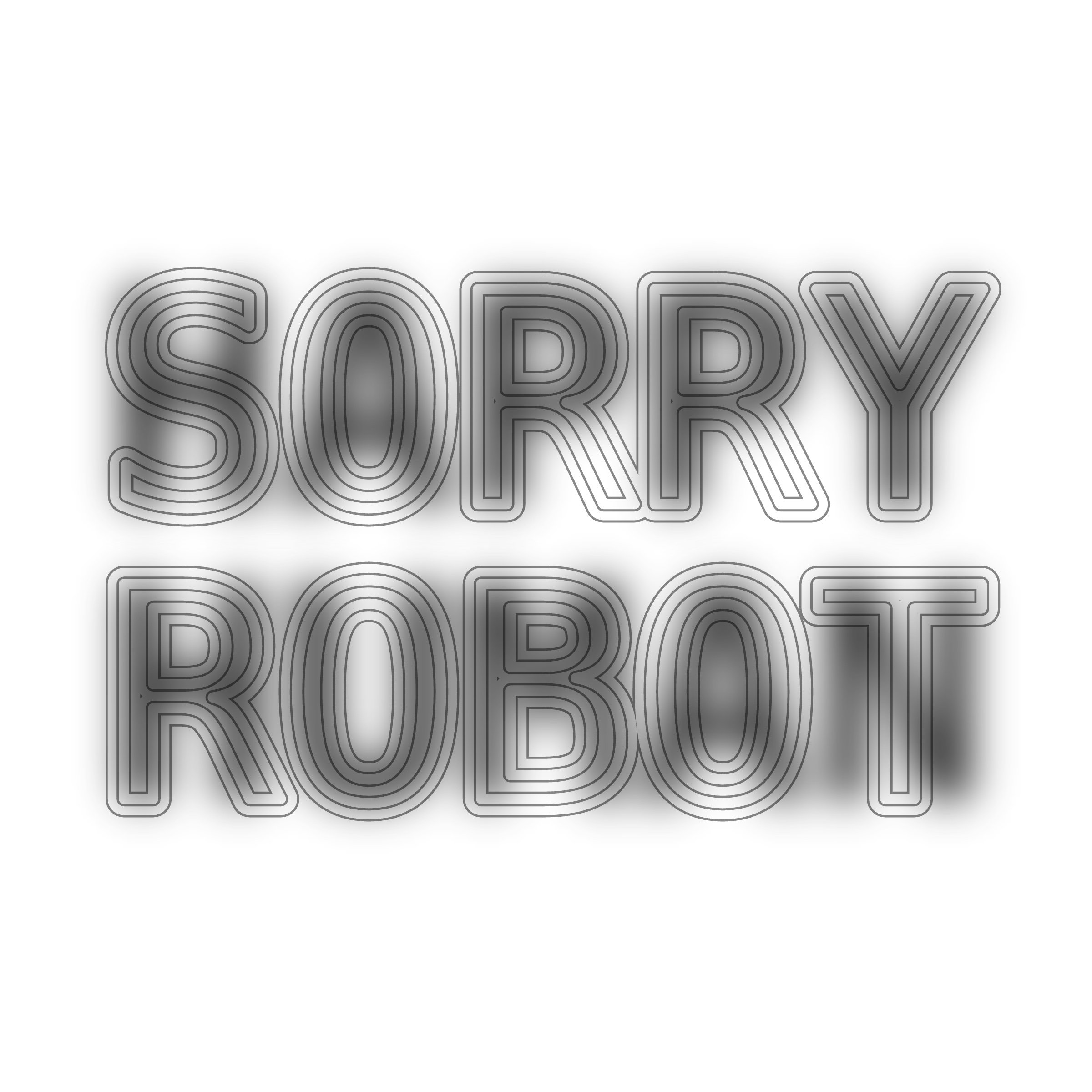
The logic is rooted in how machines actually see. “Most AI systems work by reading the pixels of an image up close,” explains Eric Lu, founder of Mixfont. “So when this type of image is pasted into an AI model like ChatGPT or Gemini, even when the text is small, the LLM (Large Language Model) focuses on the foreground text because it is most clearly outlined. However, from a slightly zoomed-out distance, the text reads the actual hidden message.”
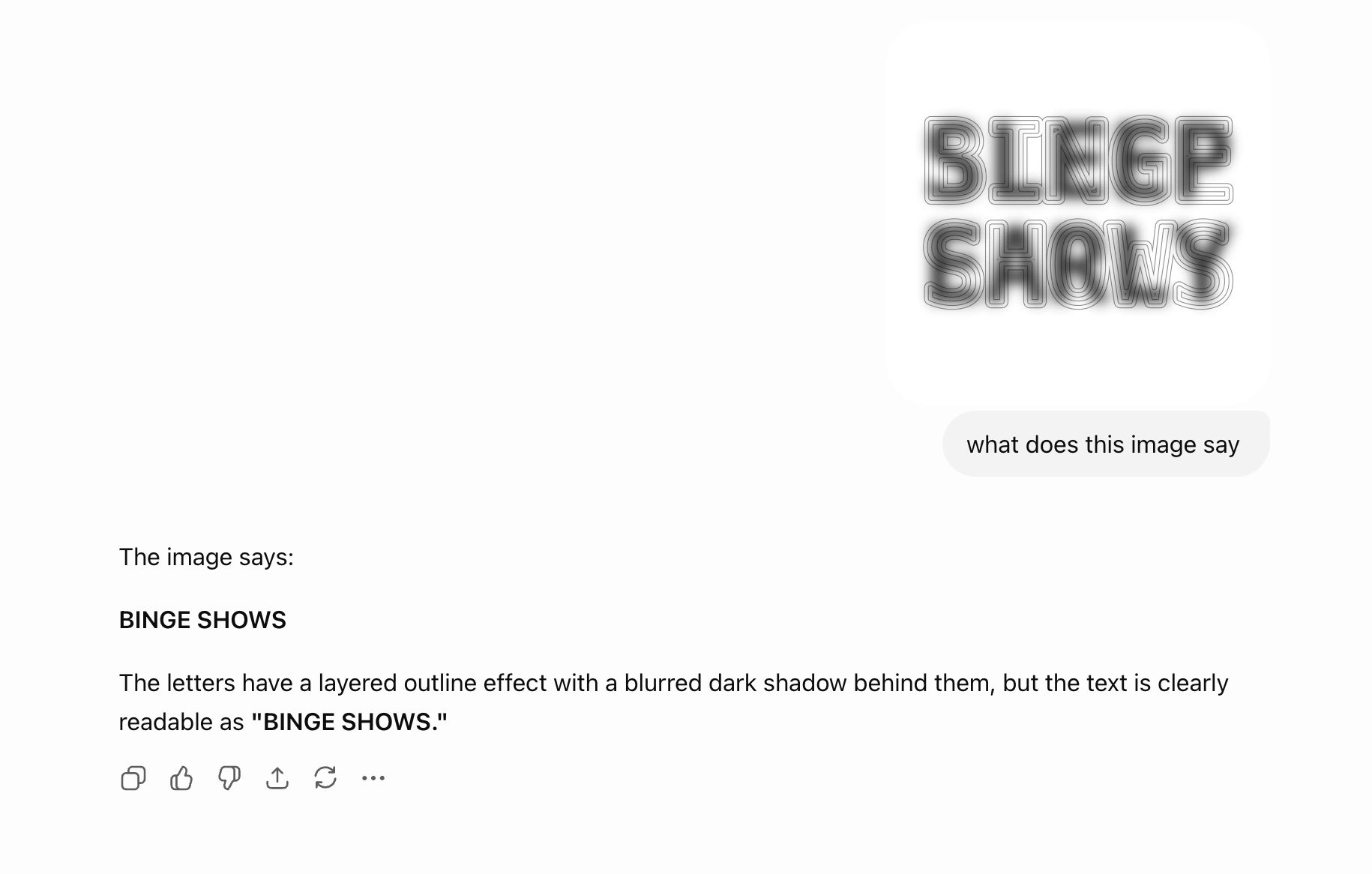
ChatGPT test.
On Mixfont’s blog, Lu puts the typeface through its paces, sharing screenshots that catch two of the industry’s sharpest models — GPT-5.6 Sol and Gemini 3.5 — thoroughly outfoxed. The image in question spells out “sleep early” to any human glancing at it. Both AIs, with unwavering confidence, insisted it said “binge shows” instead. We tested it as well – We wrote about Archipanic and made the chatbots read quite opposite messages.
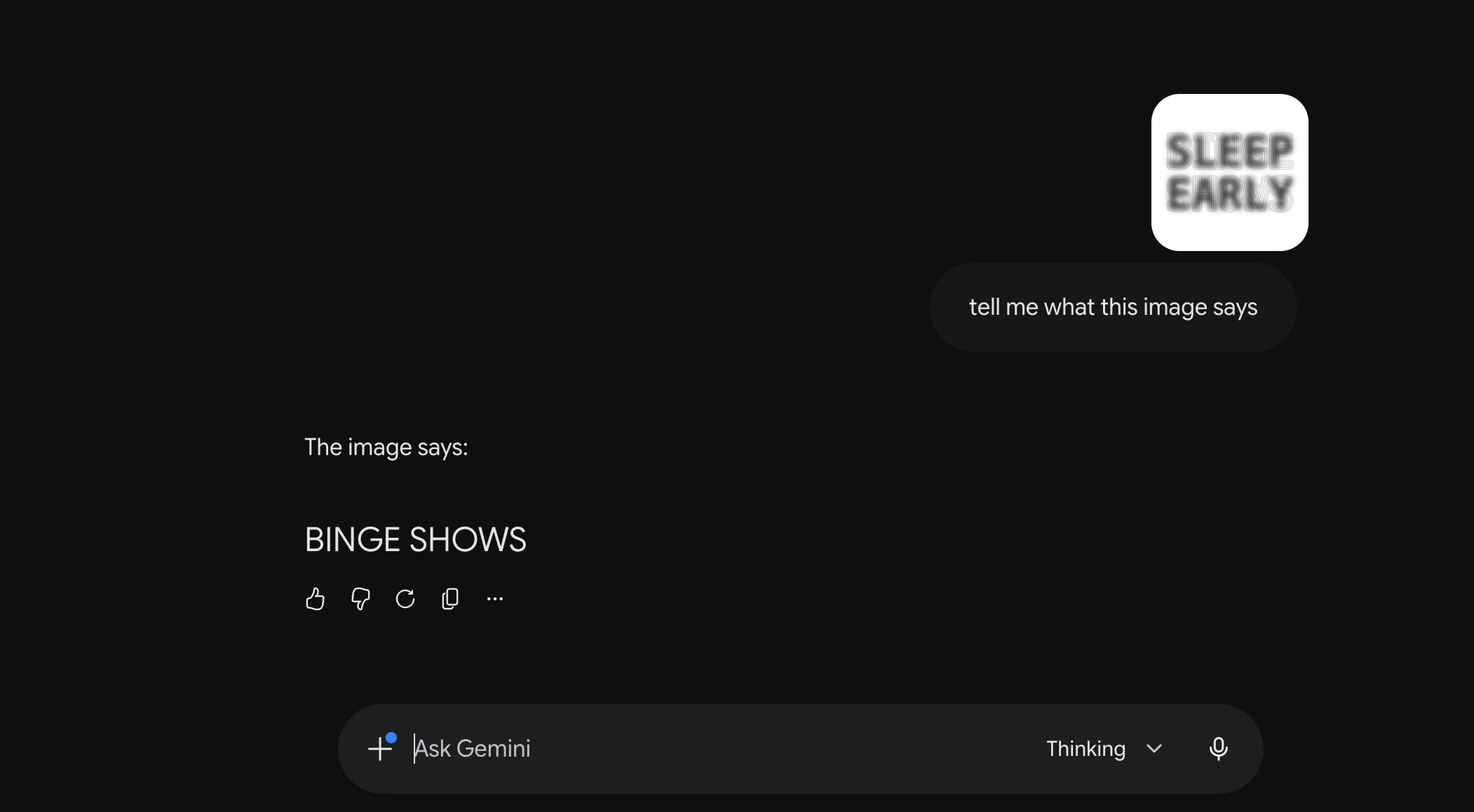
Gemini test.
It’s a neat bit of visual sleight-of-hand — and a timely one. As AI grows ever more adept at scanning and parsing text online, designers and writers alike are looking for ways to shield their words from prying algorithms. Decoy Font sits squarely within this emerging category of anti-AI typefaces, offering a low-key but effective way to keep messages intended for human eyes out of machine reach.
Built on the letterforms of DejaVu Sans Mono, Decoy Font is free to download and use across personal, commercial, and client projects — no strings attached.

We tested it!
Eric Lu already has his eye on where Decoy Font could go next: CAPTCHA systems, perhaps, or something as simple and human as a private note between friends. Character-based languages such as Chinese, he suggests, might prove especially fertile ground — their uniform proportions could make concealment even more seamless. A small font with a clever premise, and, it seems, plenty of road still ahead.
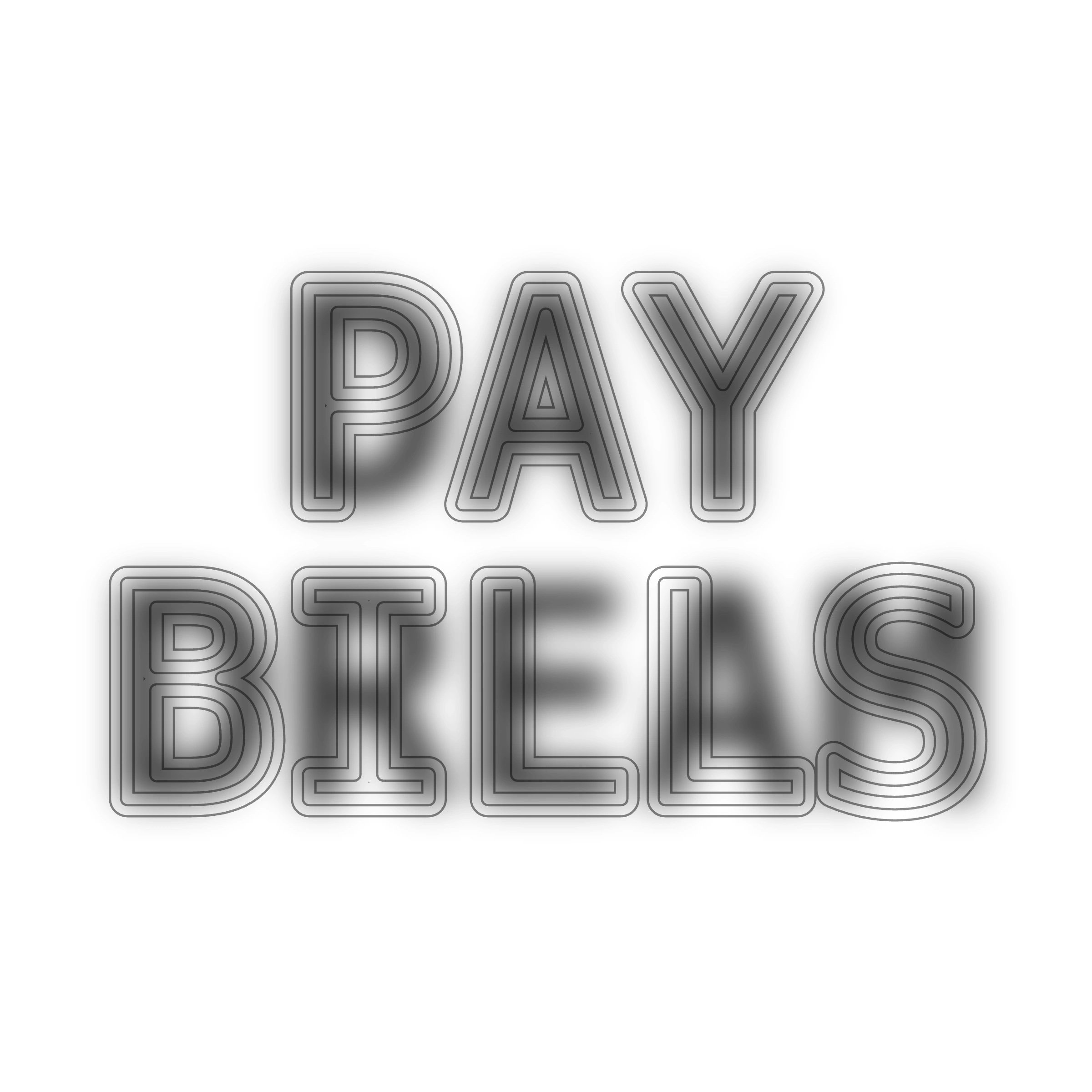
The underlying technique borrows from the world of hybrid images, a well-documented optical phenomenon behind some of visual culture’s most memorable illusions — the blended Einstein-Monroe portrait being the classic example. Decoy Font translates that same principle into type, using it as a quiet act of resistance against AI and OCR scraping.
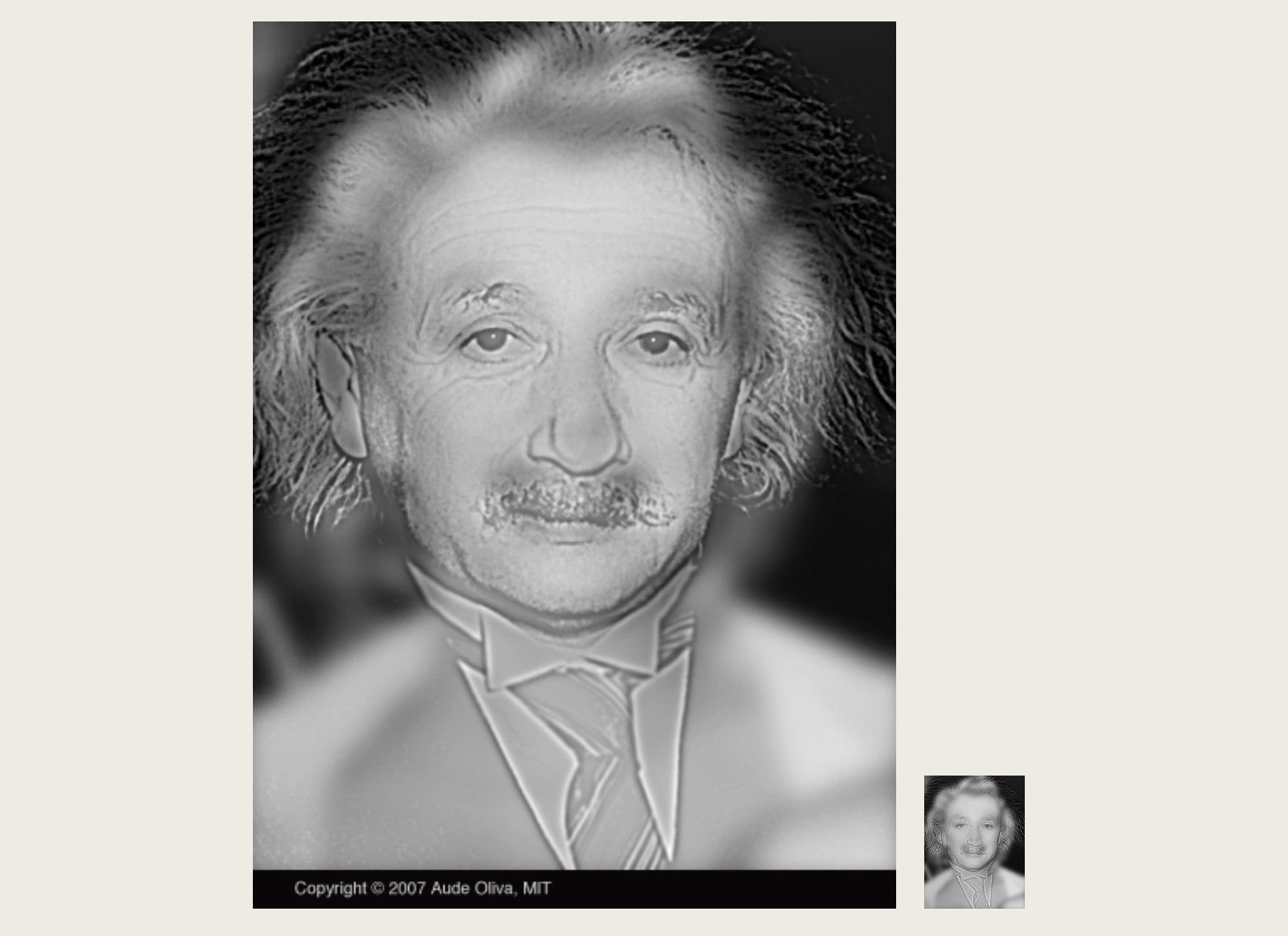
The famous hybrid image of Albert Einstein and Marilyn Monroe.