
Studio KO Opens Uzbekistan’s First Contemporary Art Centre
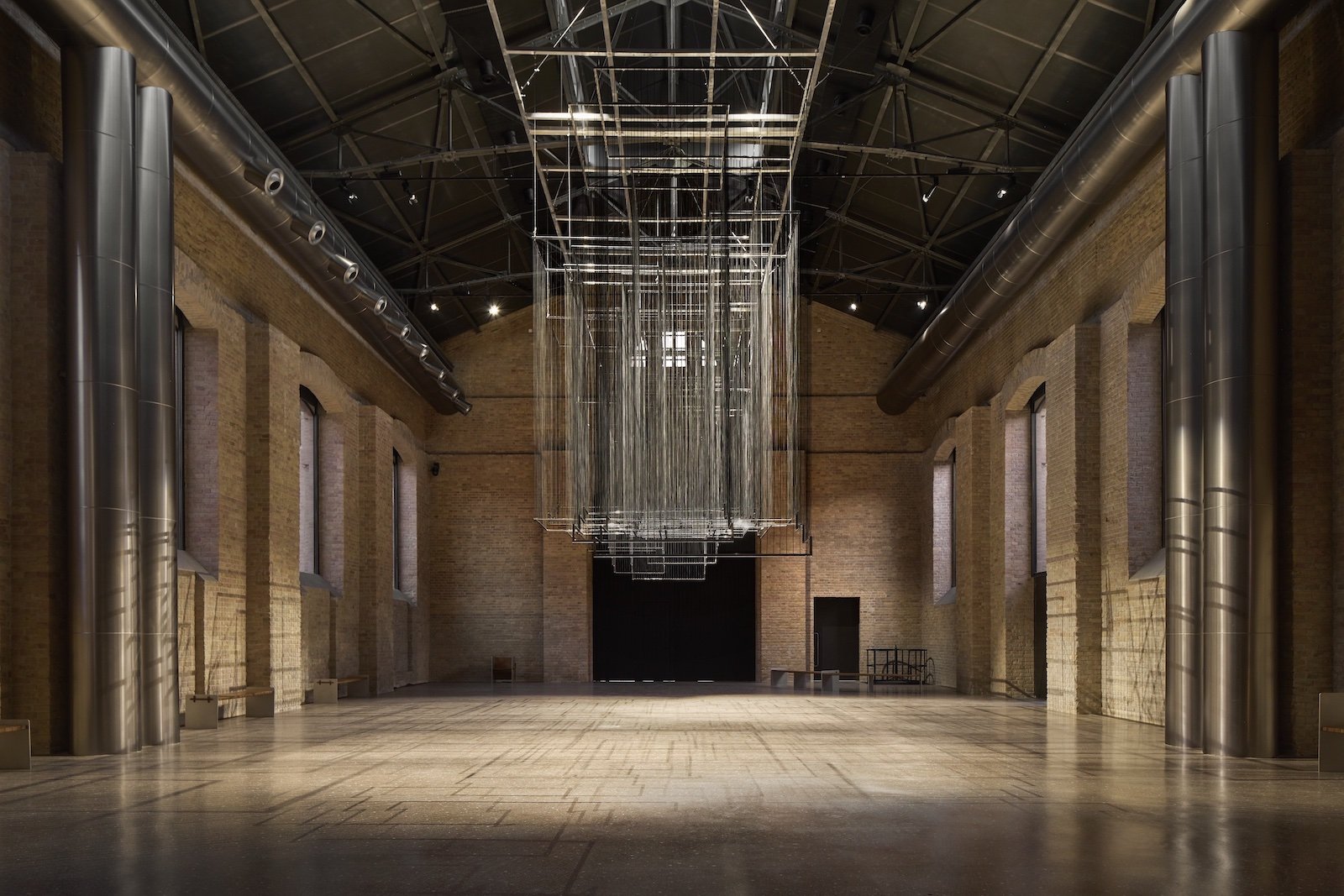
Industrial architecture, punchy new insertions, a diesel depot reborn: heritage meets cultural ambition in Uzbekistan’s first institution for contemporary art.
Industrial architecture, punchy new insertions, a diesel depot reborn: heritage meets cultural ambition in Uzbekistan’s first institution for contemporary art.

The spaceship-like Lucas Museum celebrates illustrated storytelling from Renoir and Degas’ paintings to Darth Vader’s masks, comics and movies.
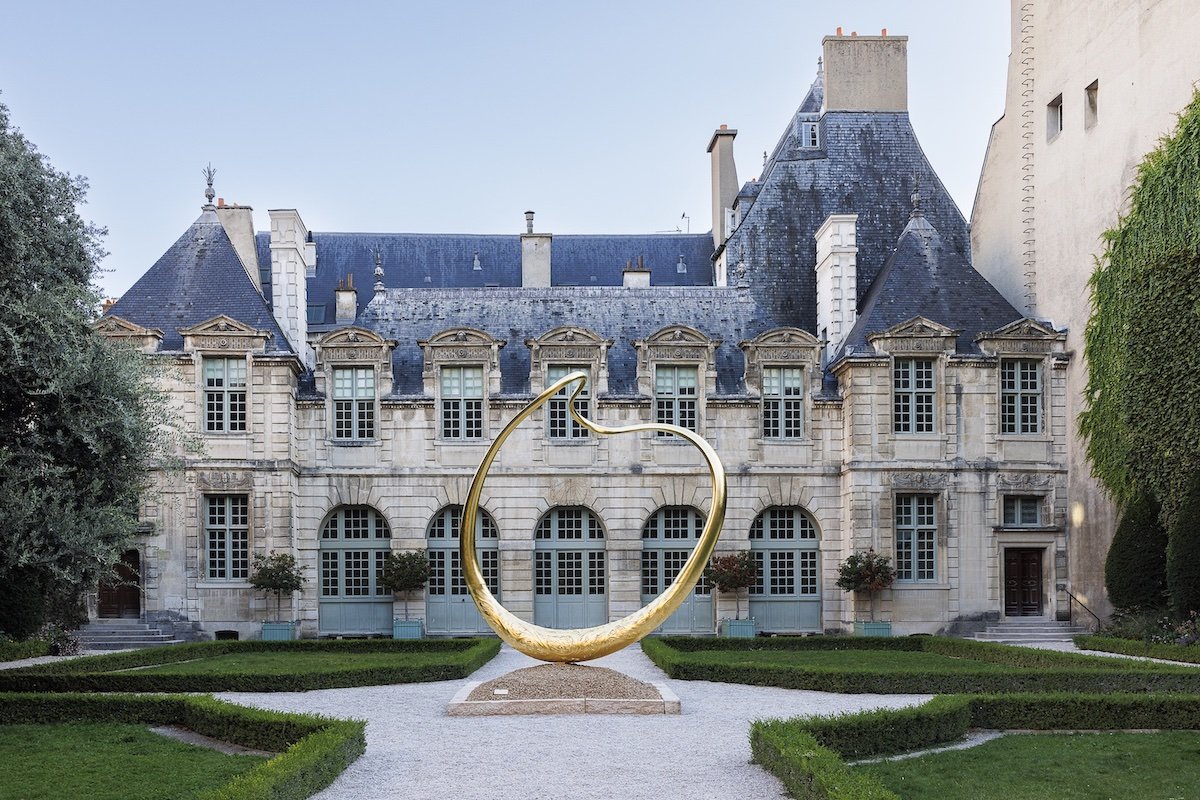
Historic architecture meets contemporary design in Parisian courtyards, gardens and palaces, with highlights ranging from a perfume-and-design encounter to art cars and voluptuous benches.

In London, the Pangolin Shield Pavilion features a bamboo grid covered with shields used both for protection and aggression.
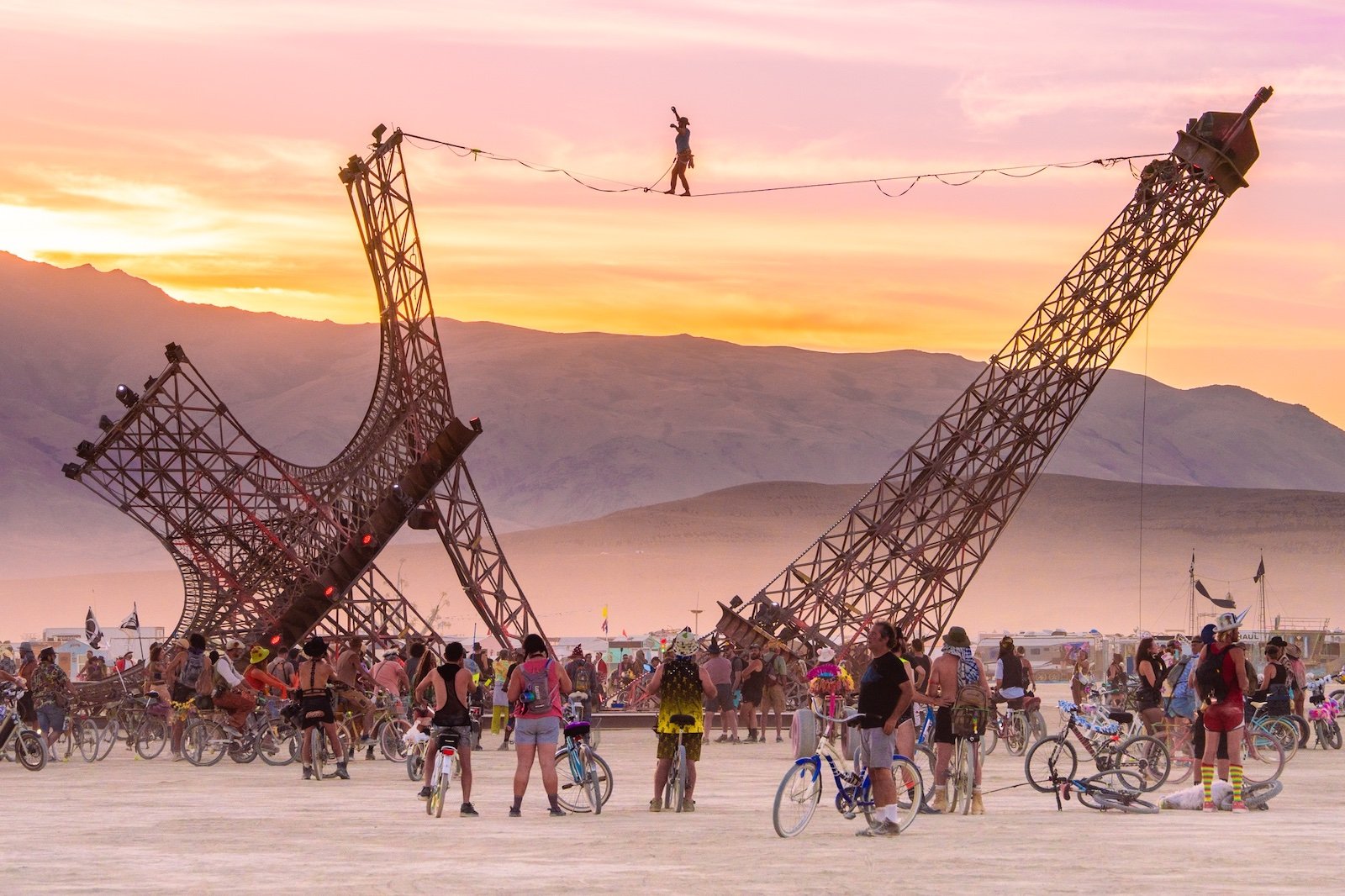
From a broken Eiffel Tower balanced between collapse and hope, to a sinking Titanic staging nightly fire spectacles, and a gothic folly built with no doctrine at all — Burning Man 2026 proved that the desert can still summon architecture with a pulse.

The Temple of the Moon turns a single desert bloom into a meditation on time, impermanence, and the spaces we gather to feel human.
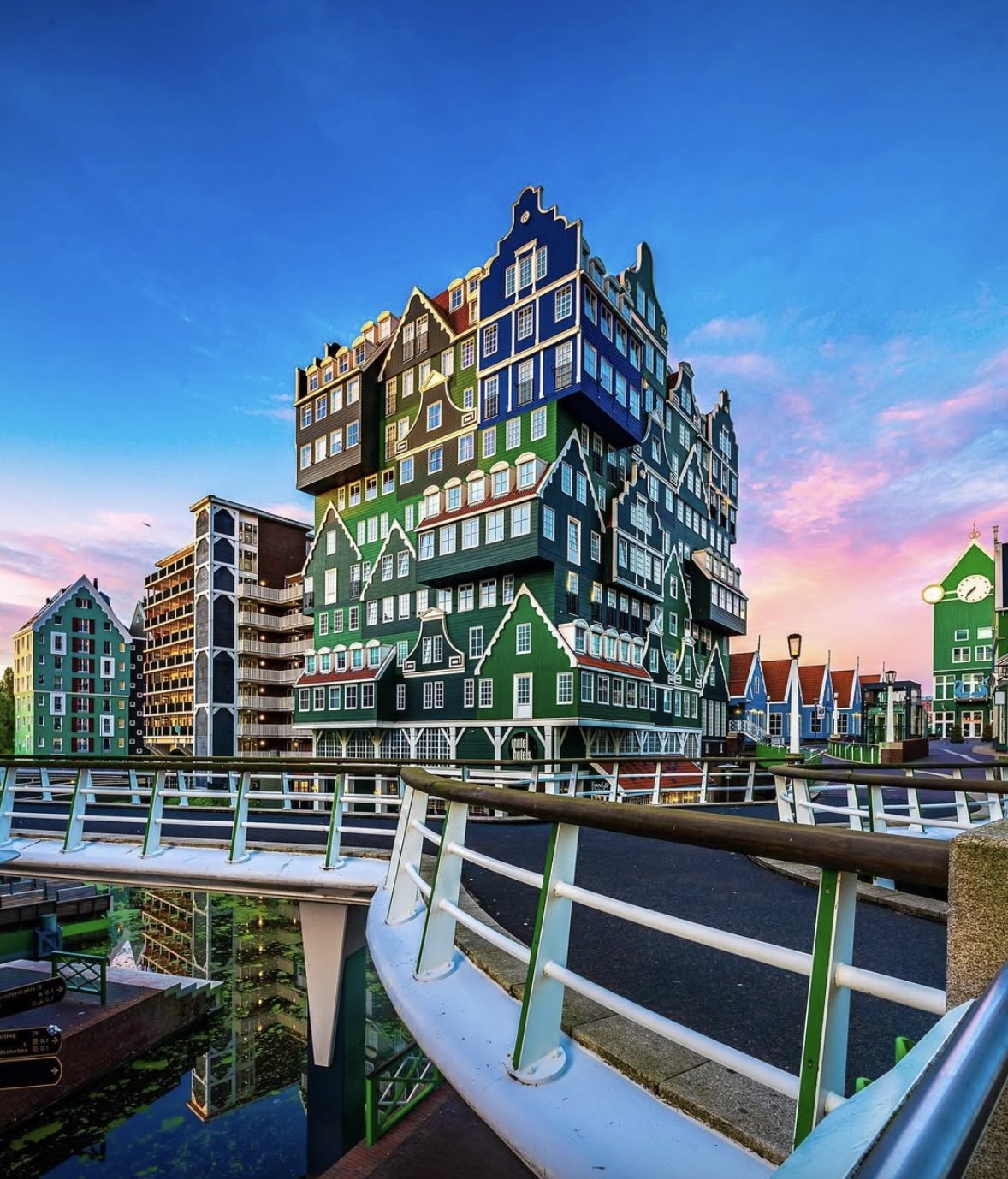
Five architects, one shared idea: the stacked house, reinvented as hotel, gallery, tower and neighbourhood in miniature.

Moored off exclusive Palm Beach, Lilypad blends solar engineering with resort-level comfort for a quietly luxurious escape on water.
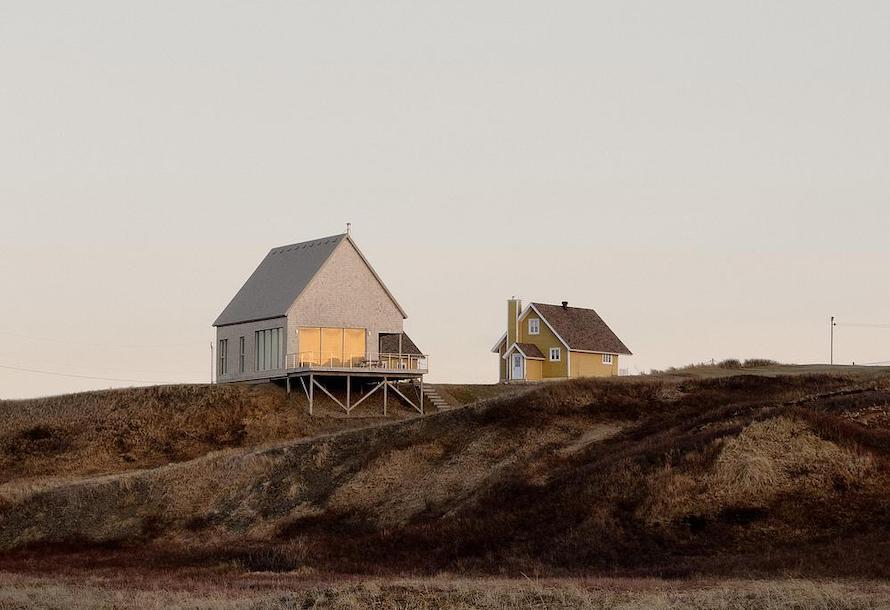
Magdalen House settles into the dunes of Quebec, in quiet dialogue with land and light, local architecture and craft.
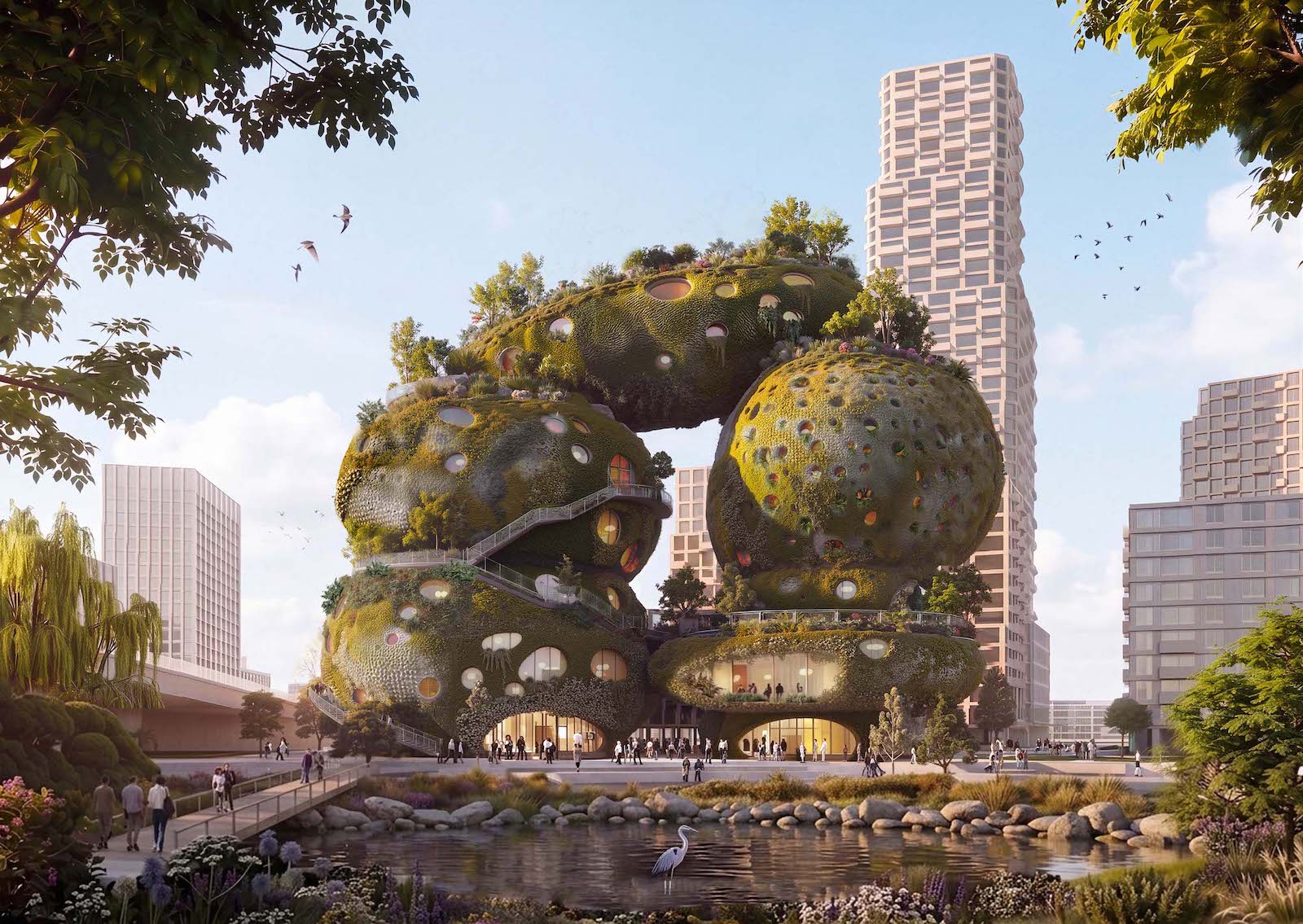
A cluster of seven boulders, Rotterdam Rocks fuses sustainability storytelling, hospitality and public terraces on the Dutch city’s south bank.

Depwell Dodge, MIdnight Modern – photo essay by Tom Blachford.
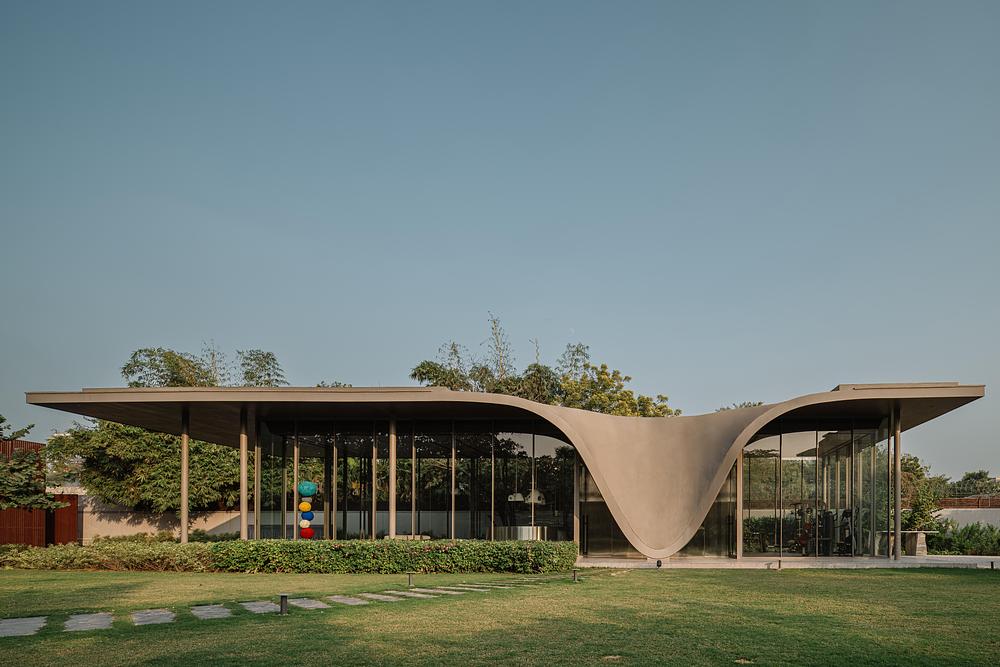
The Dip Pavilion by andblack design studio folds pool, garden and interior into one continuous architectural gesture.

Among ancient olive trees, pergolas and patios frame a set of bespoke interiors. In Southern Italy, this “contemporary masseria” reinterprets vernacular architecture against the backdrop of the Mediterranean countryside.
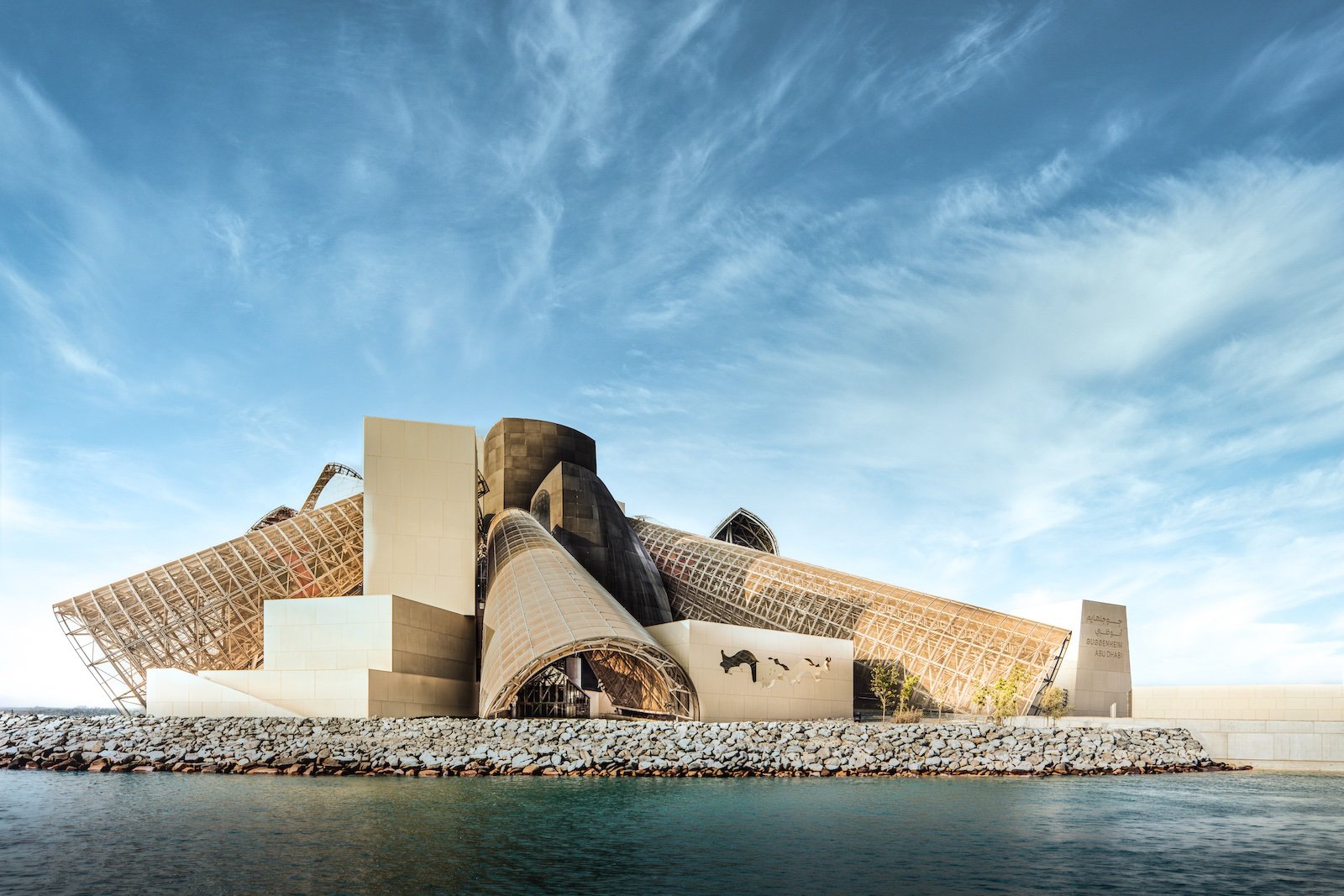
An “intentionally messy” ensemble of sculptural cones on the United Arab Emirates’ Gulf is set to guide visitors through themed galleries at the largest of the four Guggenheim outposts worldwide.
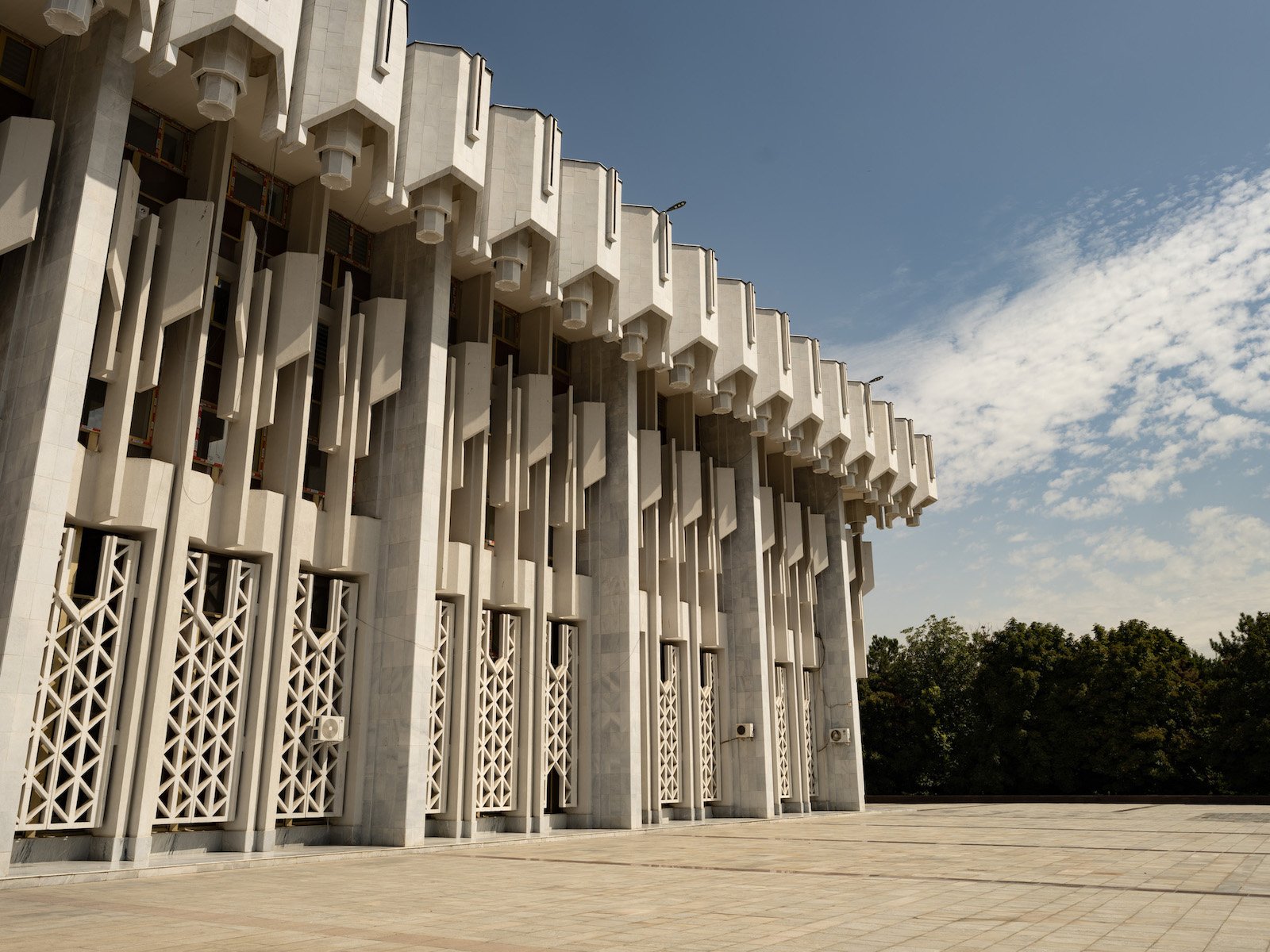
Tashkent modernist architecture reflects a synthesis of Soviet-era planning and construction, Central Asian spatial traditions, climate-responsive design, monumental art, and craftsmanship.
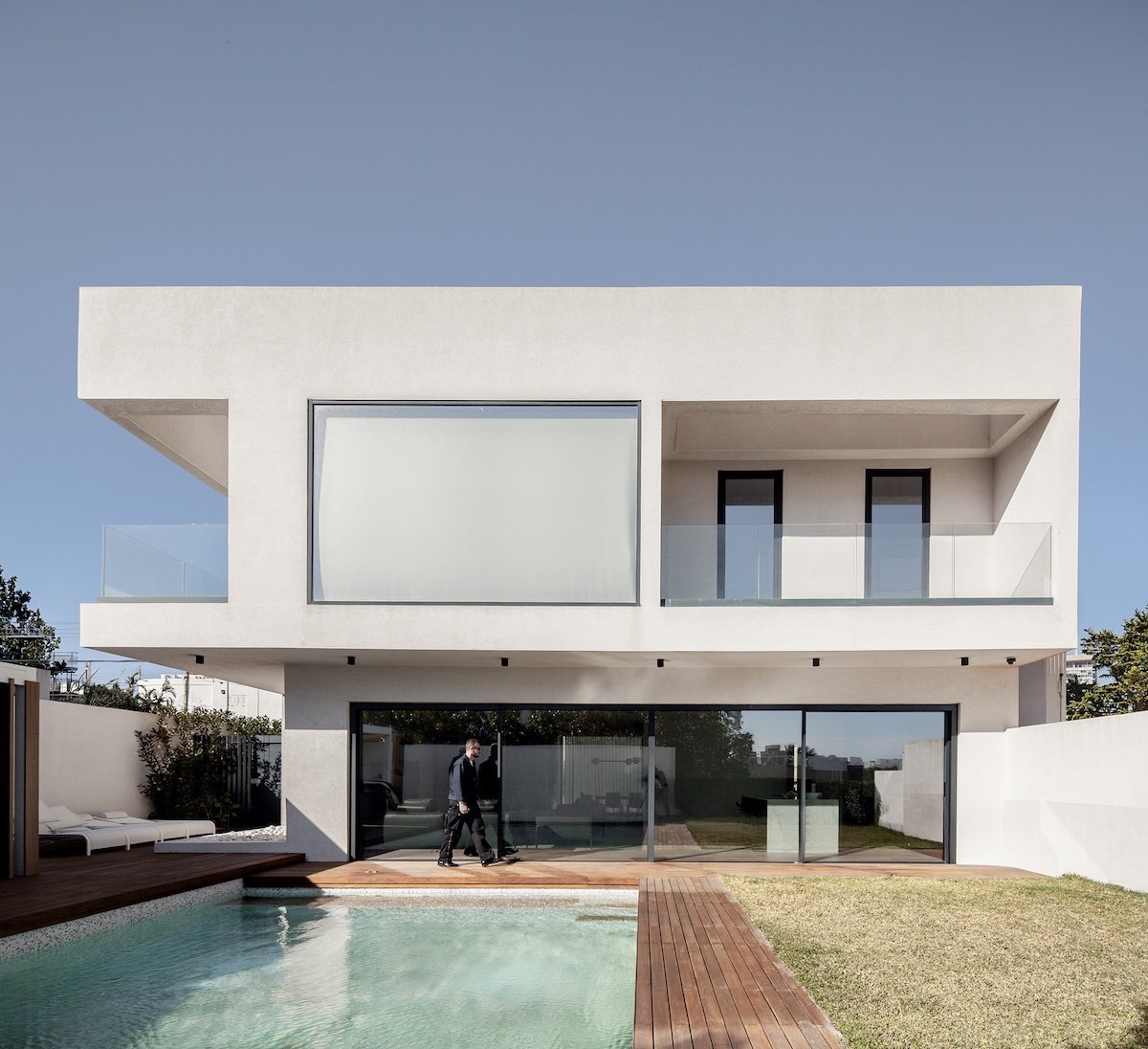
In Malta, House Eleven pairs raw materiality with restraint across its connected levels — an architecture and design project shaped for a new, “more aware” generation of clients.
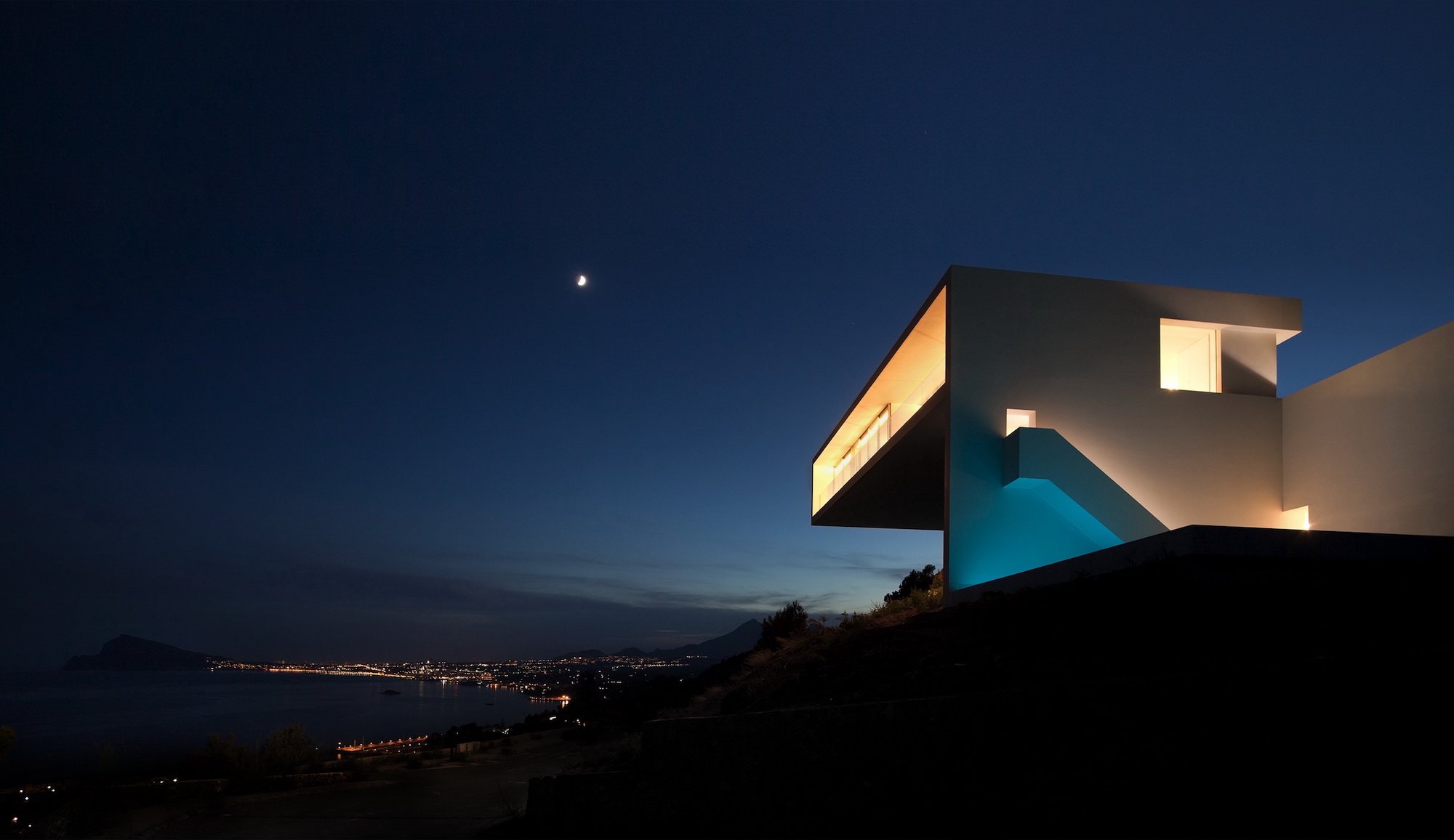
In Spain, House On the Cliff combines white minimalism with a single-level volume perched on a slope and a pool that visually draws the sea closer.
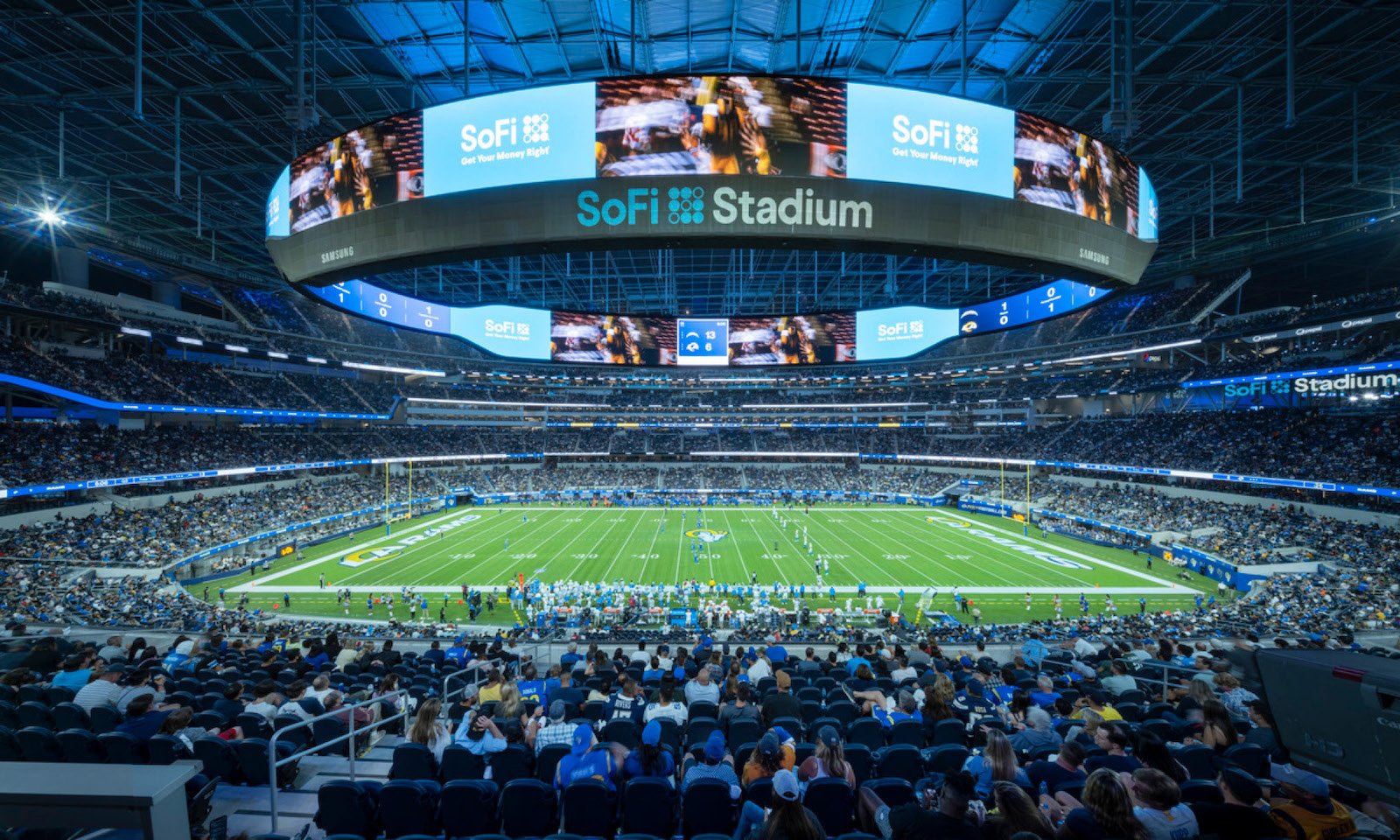
Retractable roofs, giant screens and fluid forms in dialogue with the landscape — we round up the most striking stadiums of the FIFA World Cup 2026.
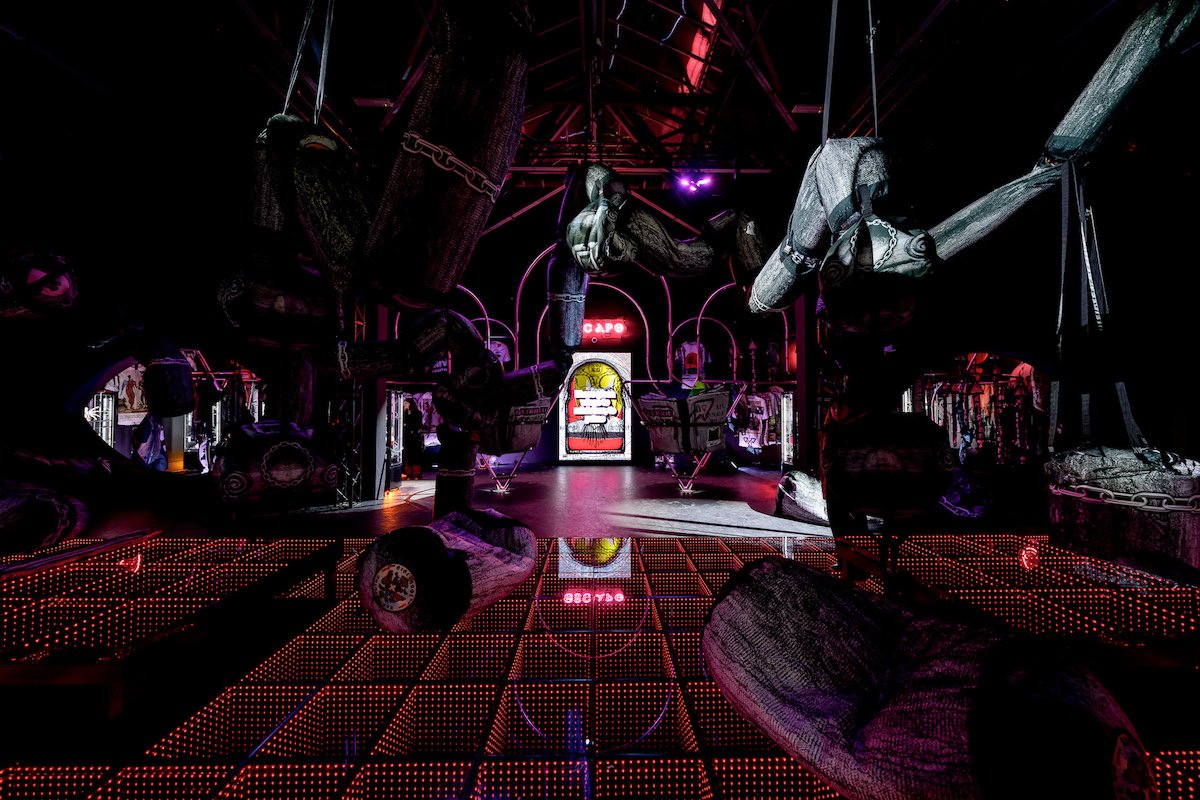
At the Greek Pavilion of the Venice Art Biennale, Escape Room stages a labyrinth of soft ruins, self-filming surveillance, and queer spatial logic — Andreas Angelidakis’s sharply timed response to an age of disinformation, rewritten history, and far-right populism.
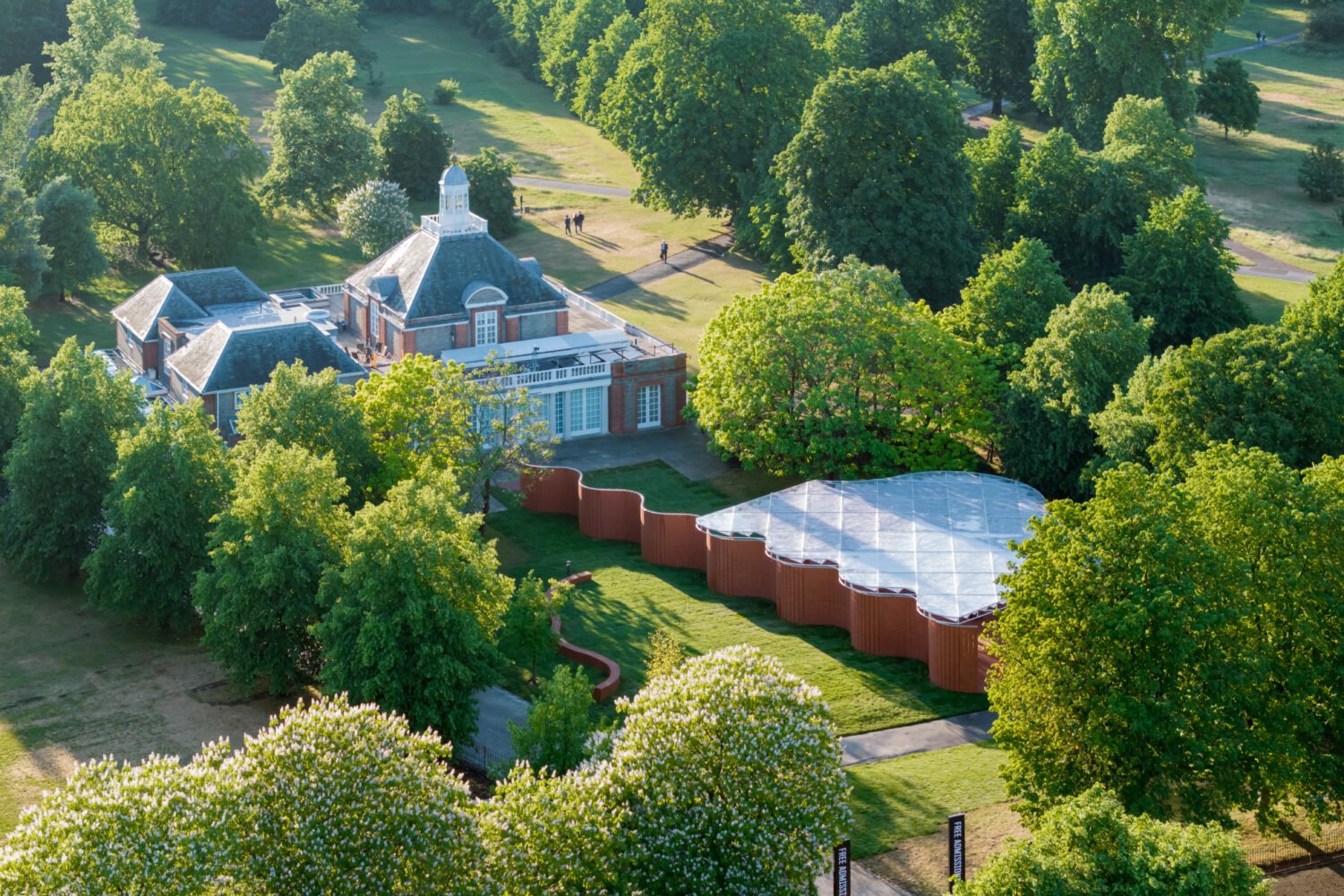
In London, the Serpentine Pavilion 2026 takes shape around one of the most charming features of the English garden: a gently curving brick wall that forms one defining side of the structure.
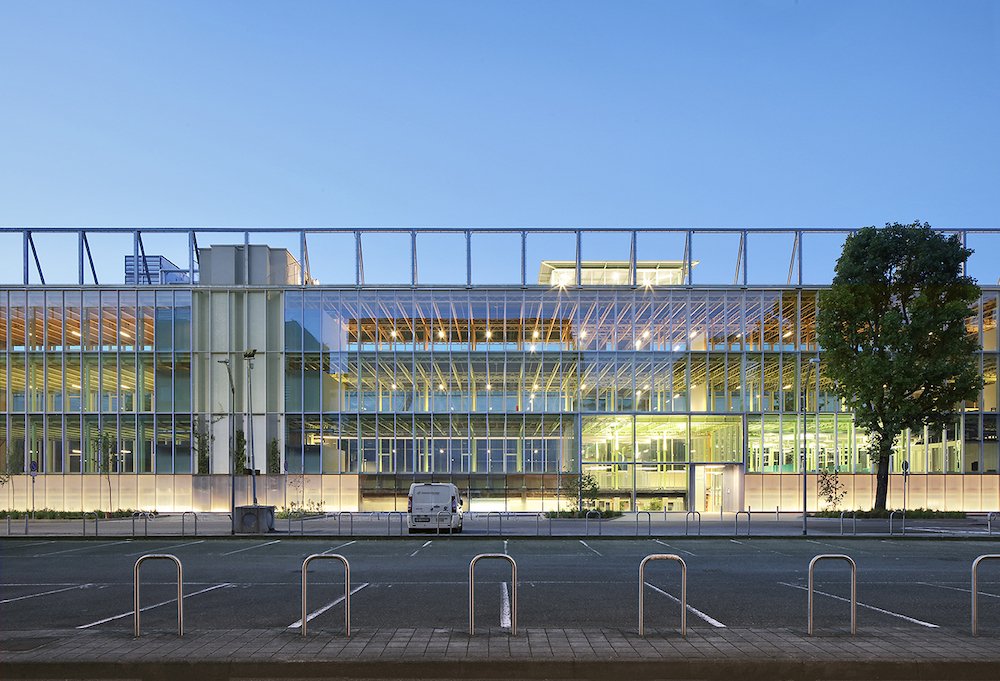
Open House Milano 2026: Explore where Milan’s ideas take shape, from architecture offices, co-working spaces and designers’ homes.

No protest, no political noise. These pavilions at the 2026 Biennale di Venezia show how, through crafts, art can hold a mirror to our most pressing concerns.
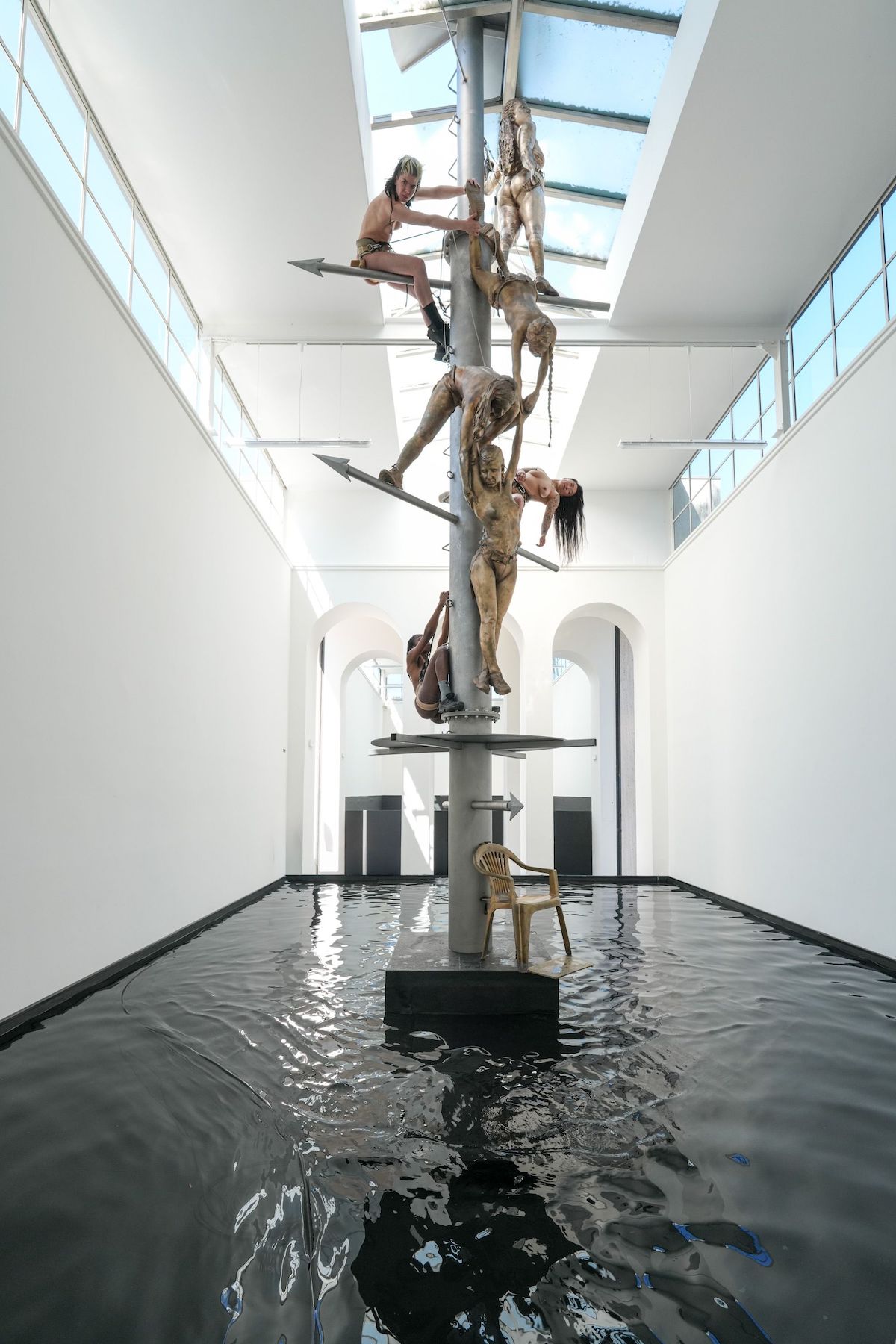
Platonic Caves, probes and soviet barracks. At Venice Biennale 2026, some of the most radical art isn’t on the walls — it’s in the walls.
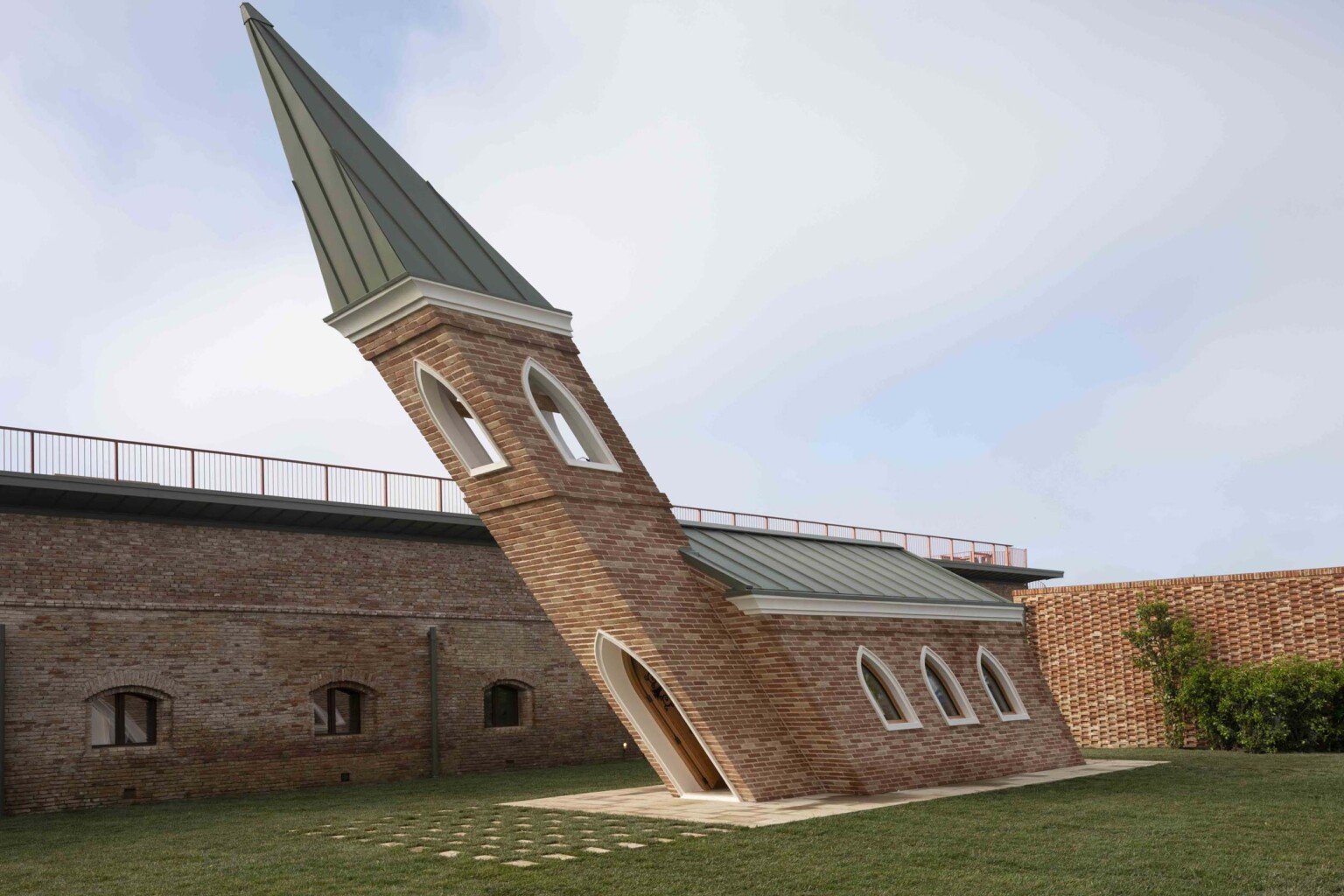
From a tilted brick chapel to a home on a wheelbarrow and a floating synagogue, these surreal architectures at the Venice Art Biennale reframe space, identity, and belonging.
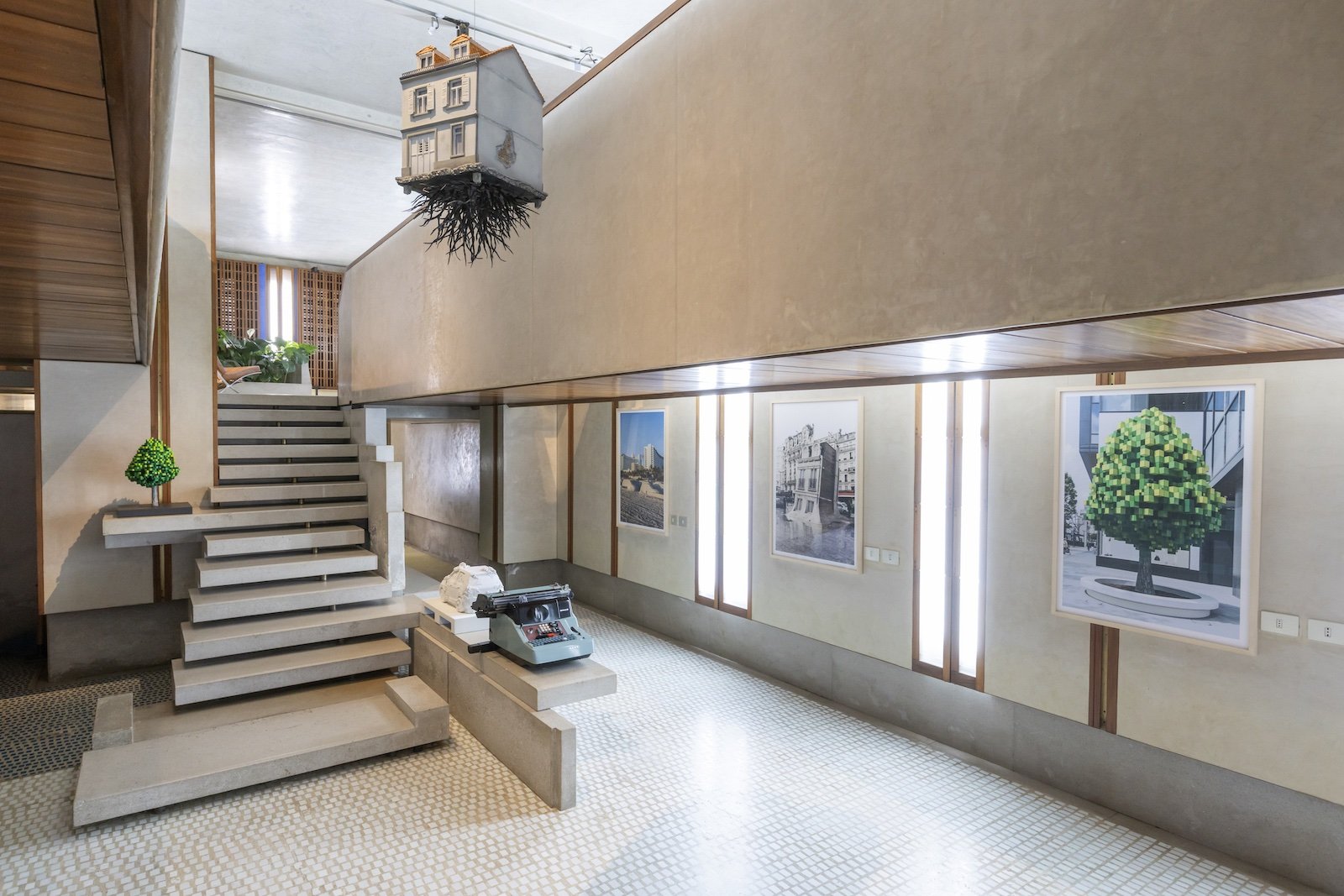
At Venice’s Negozio Olivetti, houses grow roots, corals mimic cities, and marble melts — in Erlich’s Hybrids, the impossible feels wonderfully real.
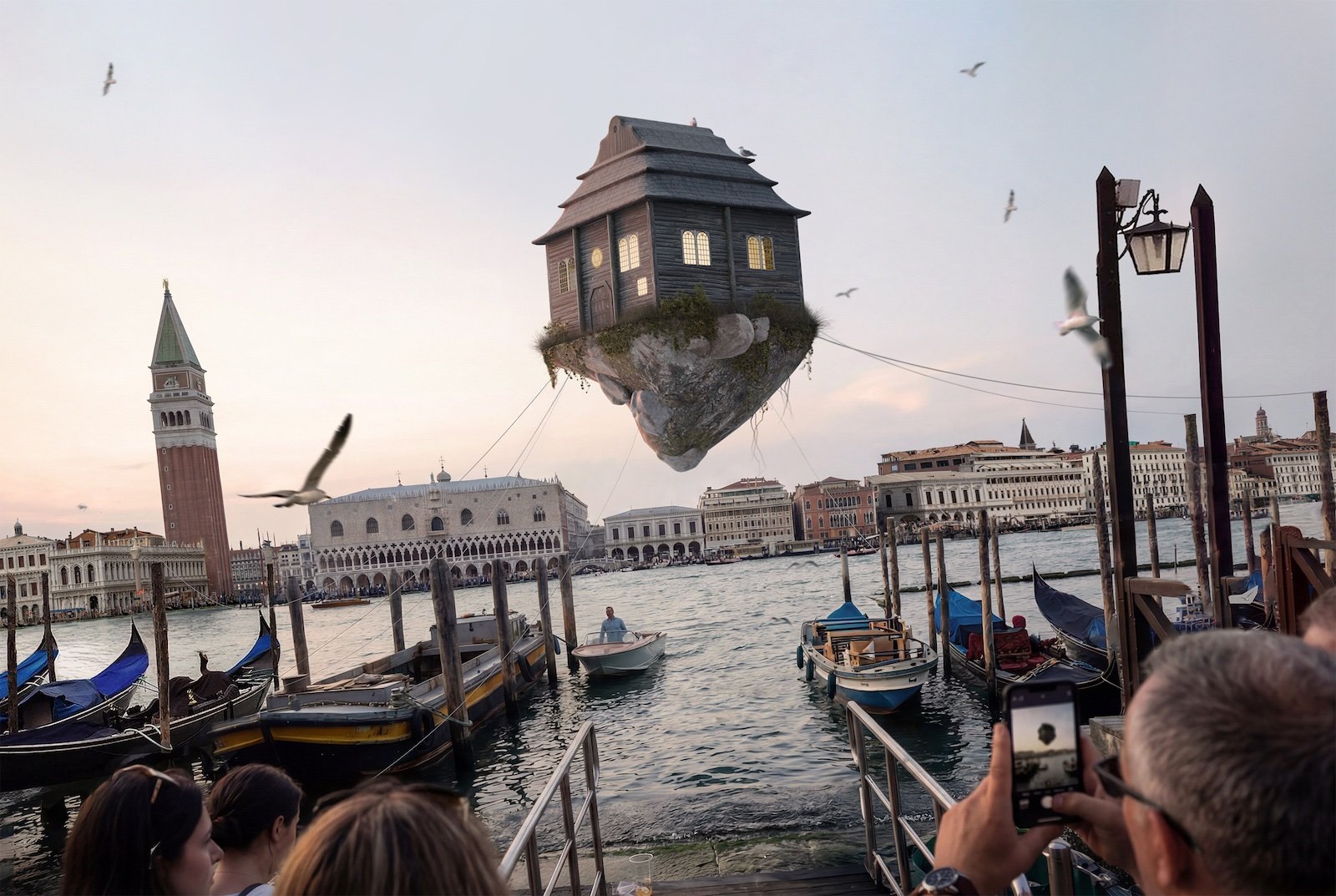
There is something quietly arresting about a sixteenth-century Venetian synagogue, perched atop a floating rock, drifting above the waters of the lagoon. This is Nabatele, a mesmerising installation by Anna Kamyshan, and an official Collateral Event of the 61st International Art Exhibition of La Biennale di Venezia.
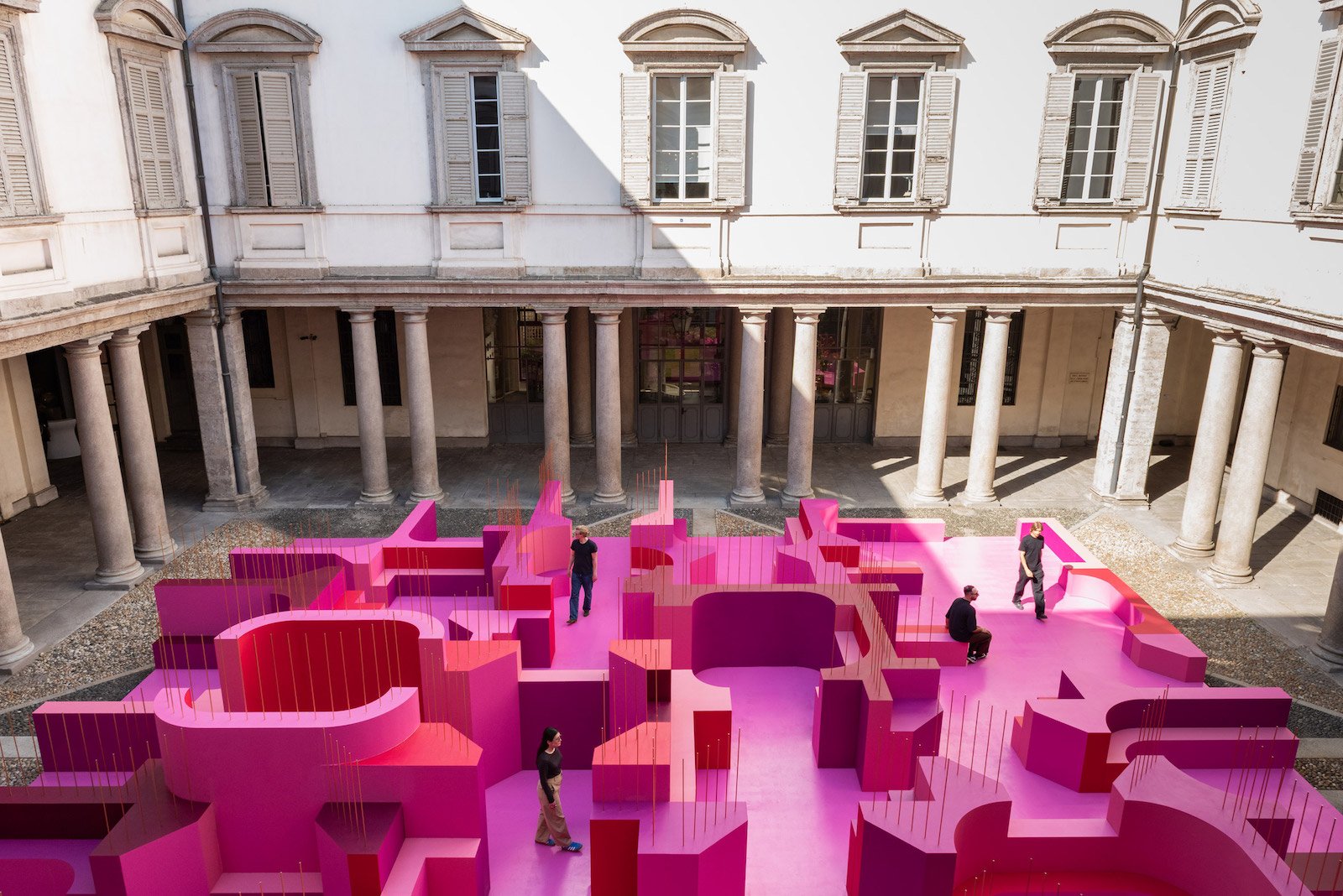
The Metamorphosis in Motion installation takes over a stunning Milanese courtyard with vibrant colour, bringing people together.
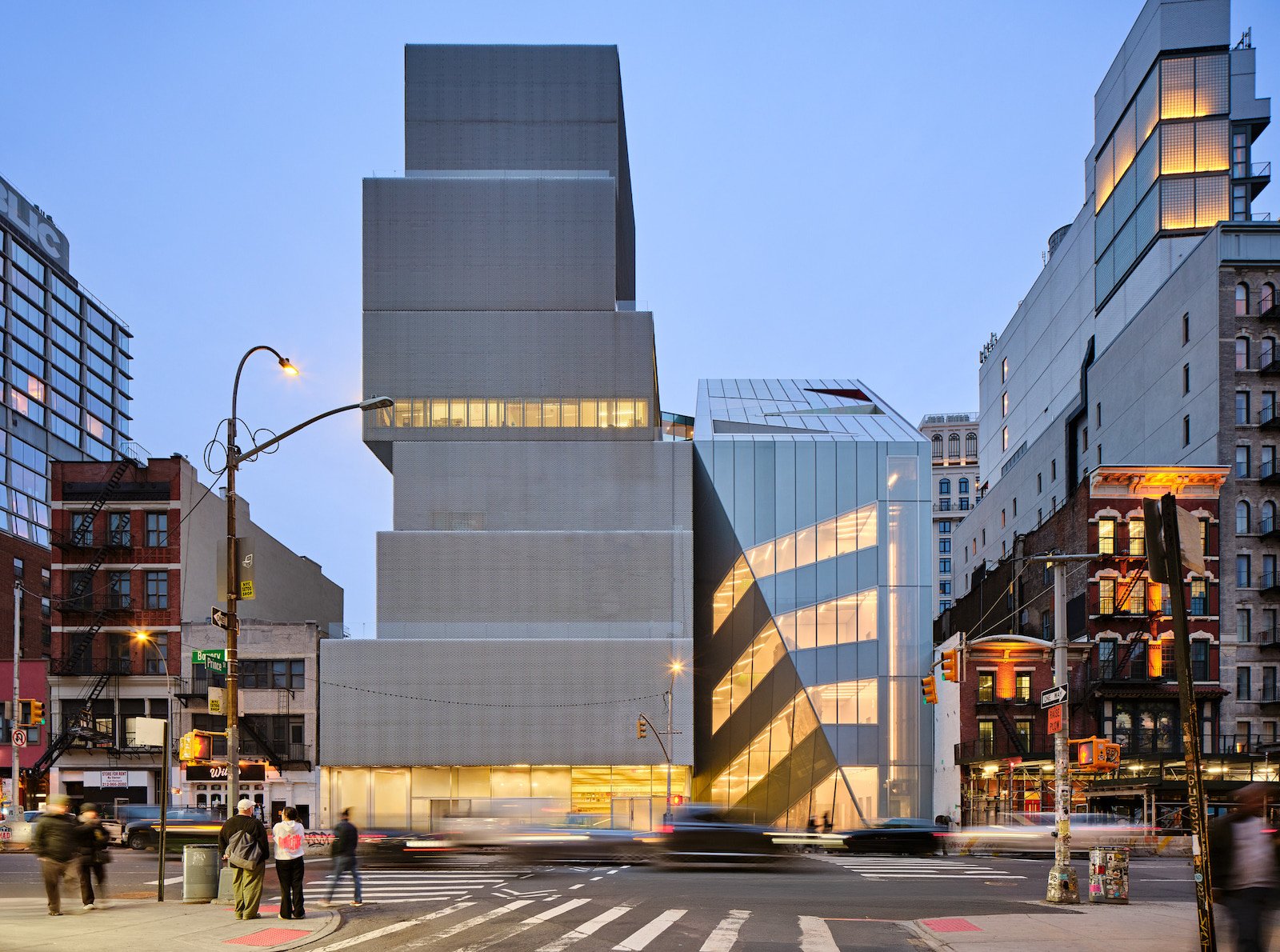
Complementing SANAA’s original building, the New Museum expansion doubles exhibition space through a striking angular volume in Manhattan.

The ‘Inverse Ruin’ installation reimagines an ancient temple from the top down as a floating structure — and reframes the way we look at ruins altogether.
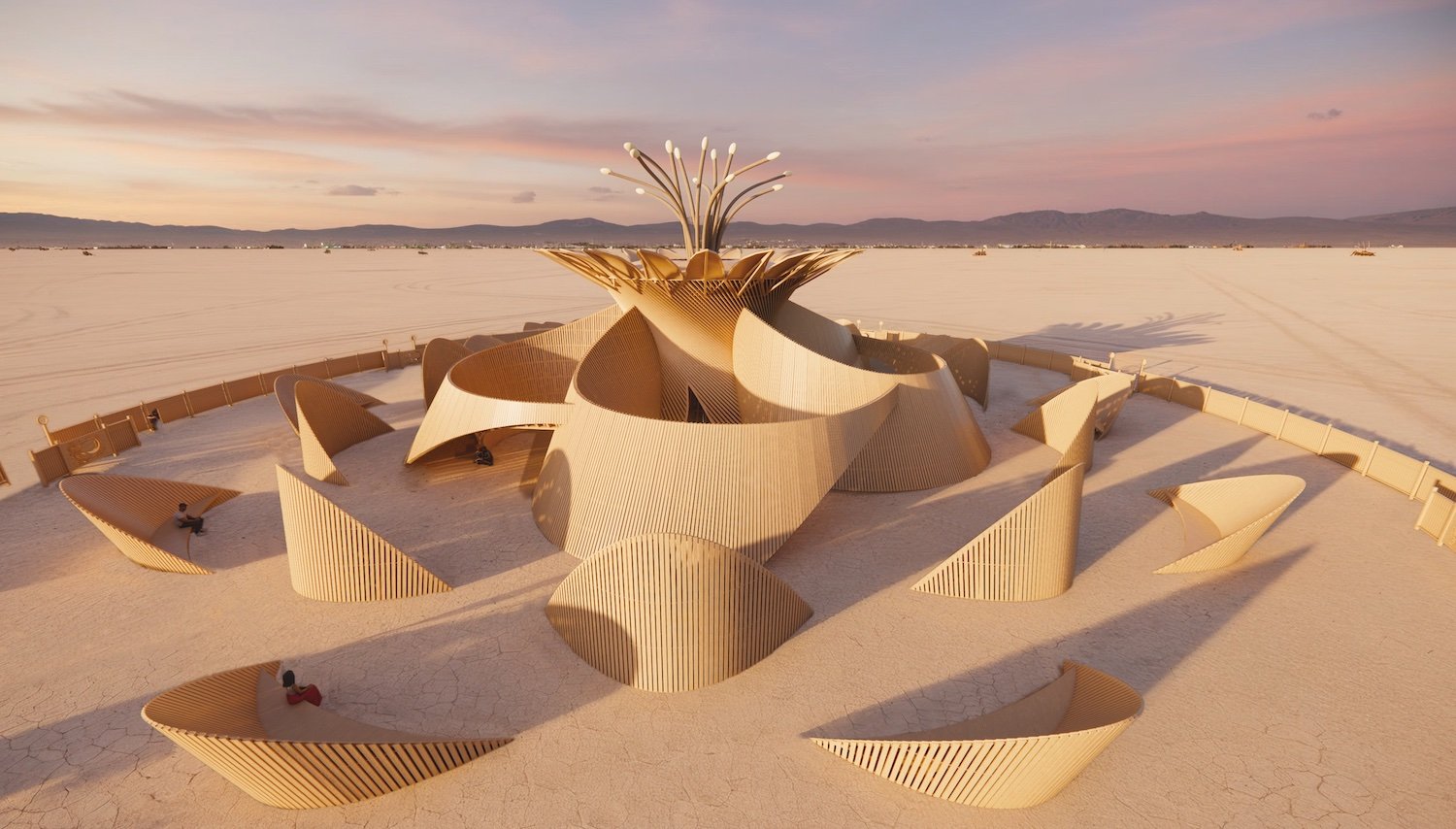
The Temple of the Moon turns a single desert bloom into a meditation on time, impermanence, and the spaces we gather to feel human.