
Smiljan Radić wins 2026 Pritzker Architecture Prize

Smiljan Radić Clarke, the 2026 Pritzker Architecture Prize recipient, defies ‘archistardom’ to embrace vulnerability.
Smiljan Radić Clarke, the 2026 Pritzker Architecture Prize recipient, defies ‘archistardom’ to embrace vulnerability.

From cliffside homes to inflatable pavilions, Chilean architect Smiljan Radić defies easy definition — site-specific, quietly radical, and impossible to reduce to a single signature.
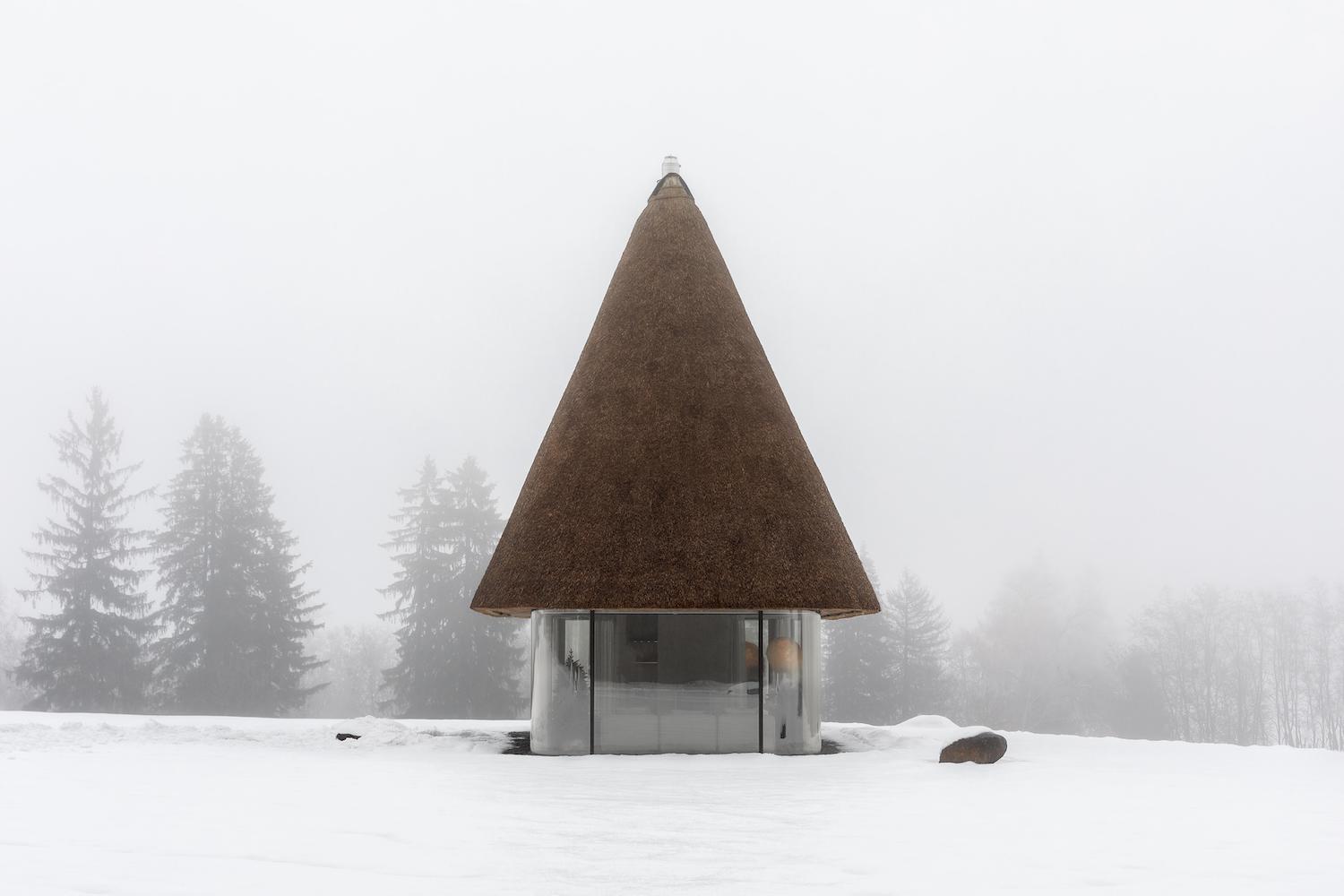
The Kyiv-based studio revisits the archetypal Ukrainian cottage with fully transparent glass façades set beneath deliberately oversized roofs, seamlessly blurring the boundary between interior and landscape.

Hundreds of stepped terraces create a communal roofscape for Sanjay Puri Architects’ building at the Prestige University campus in Indore, Madhya Pradesh, India.
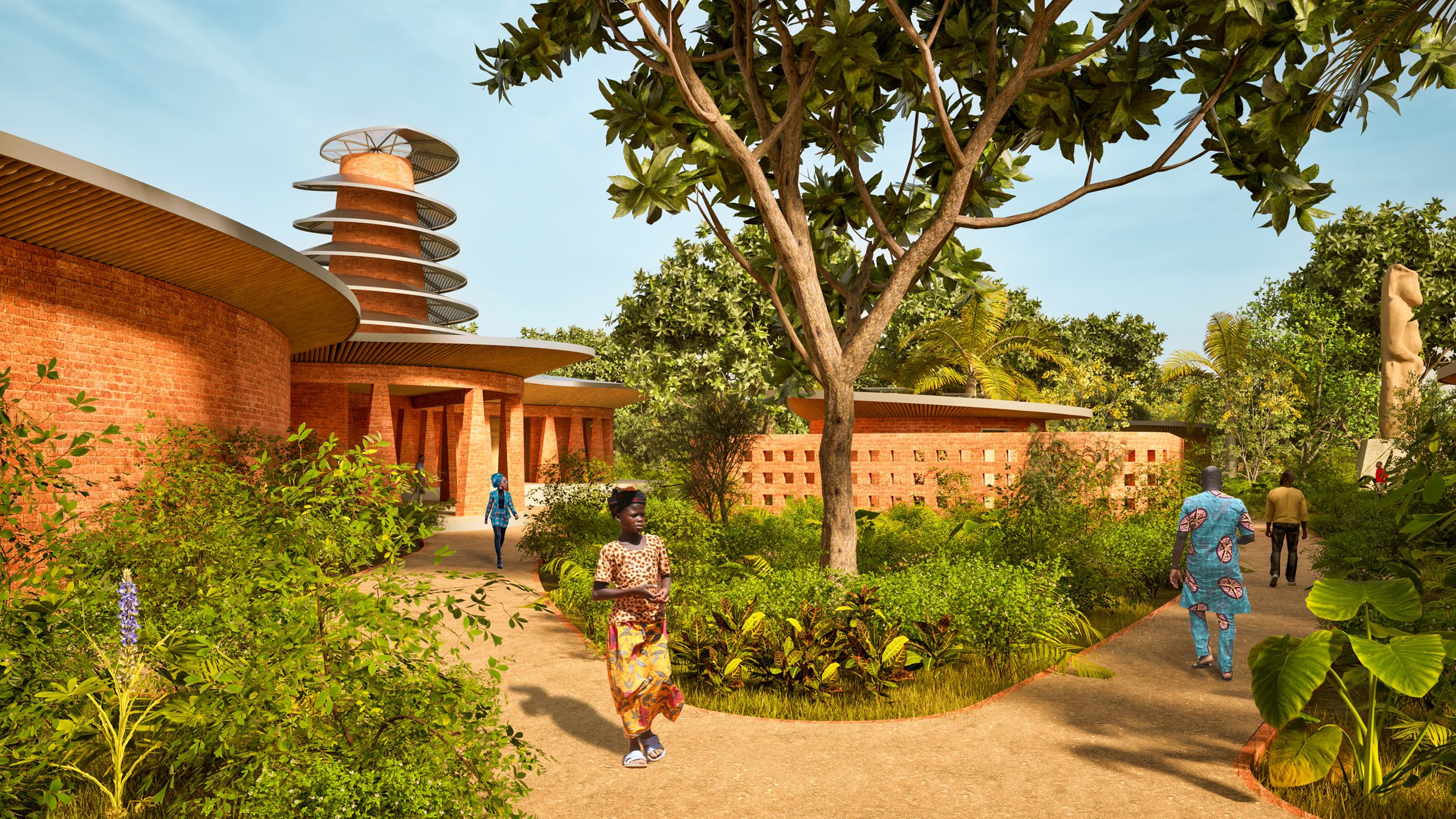
Rooted in ancestral tradition and shaped by living heritage, Kéré Architecture’s Ewé cultural centre weaves spirituality and memory into a luminous, climate-conscious design masterplan.
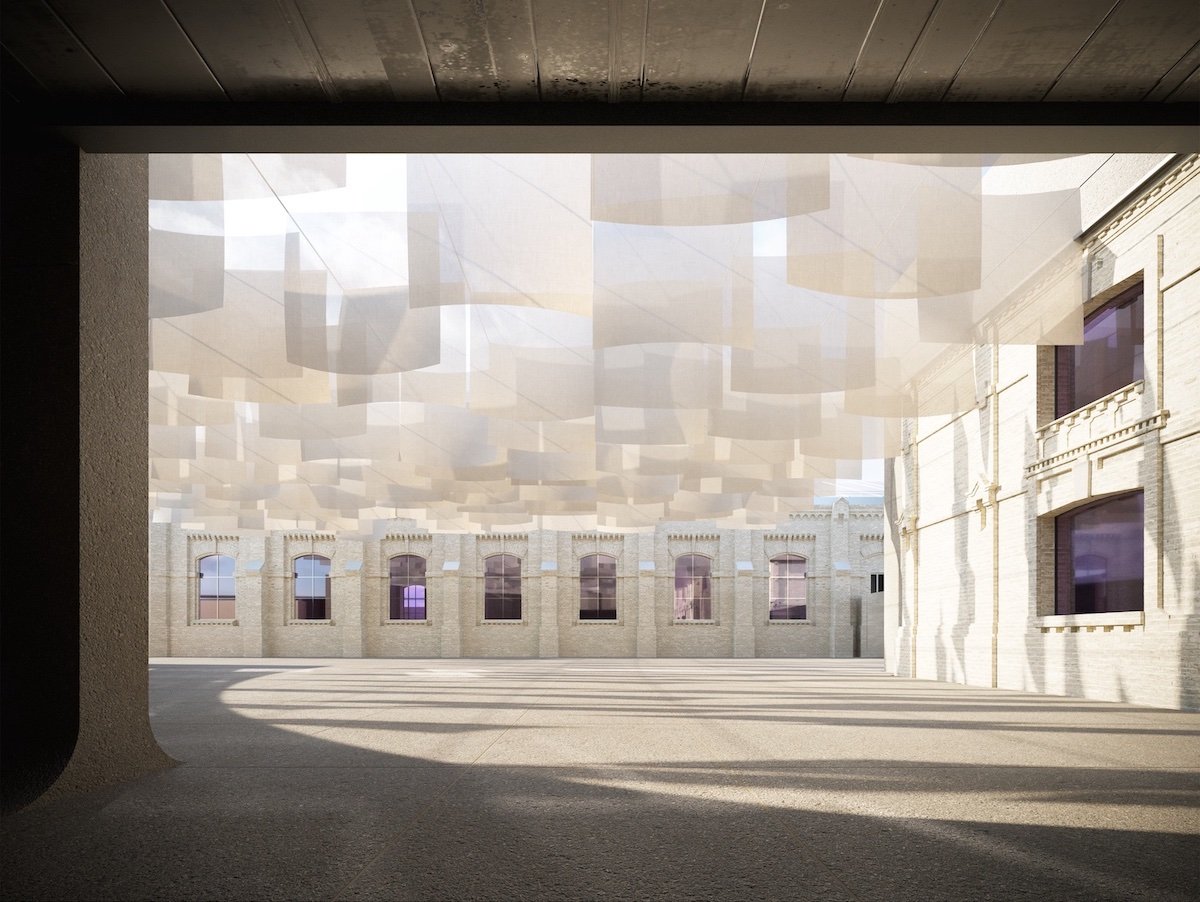
Studio KO transforms a century-old tram depot into the Centre for Contemporary Arts Tashkent — where industrial heritage meets cultural ambition.

The Shanghai Grand Opera House “will become a cross-generational destination.” Its striking helical roof forms a spiralling staircase that also functions as a stage and a public meeting space.
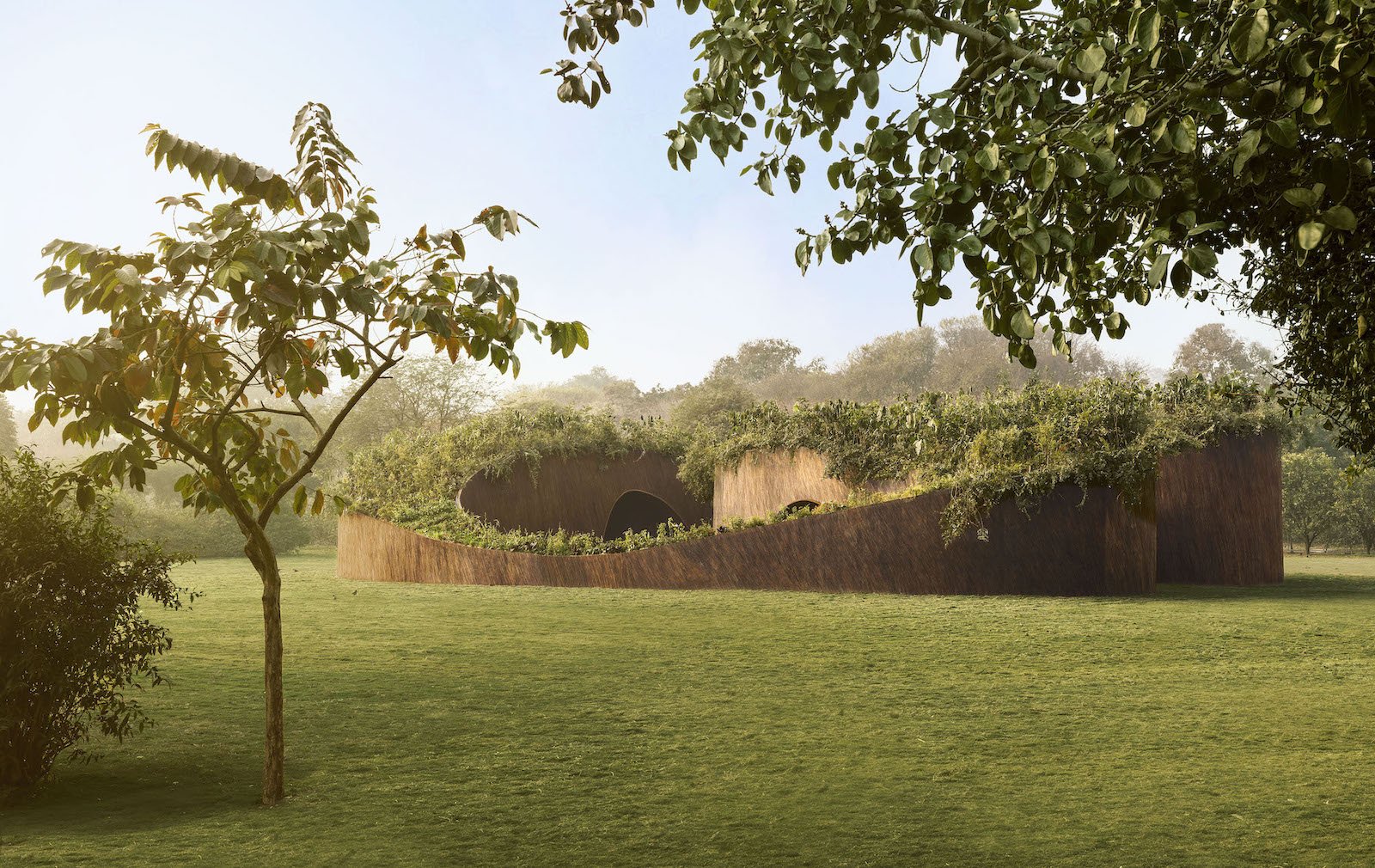
With its sinuous design, green rooftop and layers of invasive and native species, the Aranyani Pavilion in New Delhi invites you on a journey inspired by sacred groves, blending ecology and architecture.
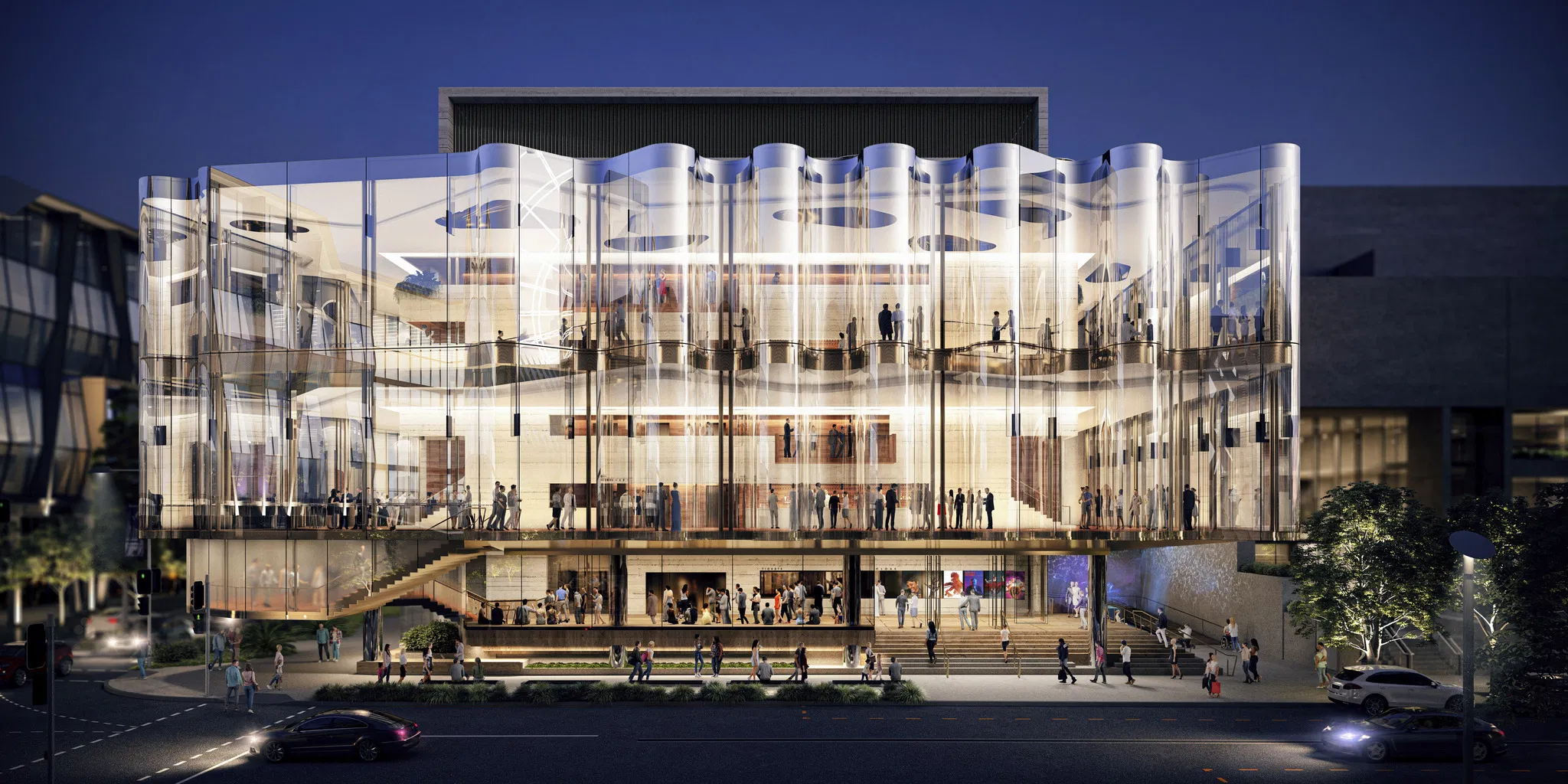
The Brisbane Glasshouse Theatre by Snøhetta and Blight Rayner Architecture balances technical precision, material warmth, and a deep respect for place and people.

At LACMA, “No single path through the rooms is prescribed by the architecture.” The Los Angeles art museum’s new glass-and-concrete building takes the form of an elongated, sinuous volume, elevated on seven structural pavilions.

Opening on 22 September in Los Angeles’ Exposition Park, the Lucas Museum by MAD Architects will connect generations through culture, from Darth Vader’s masks to works by Renoir and Degas.

From the Sagrada Familia in Barcelona to Frank Gehry’s Guggenheim Museum in Abu Dhabi and MAD Architects’ Lucas Museum of Narrative Art in L.A., 2026 promises iconic architecture that sparks imagination and celebrates culture worldwide.

The Biblioteca dos Saberes, the studio’s first project in South America, “grows from the city’s history and wisdom, from samba that moves the body to the poetry that moves the heart,” says Francis Kéré.

Stipfold deconstructed traditional geometries and played with materials and reflections to create a jagged Christmas Tree.
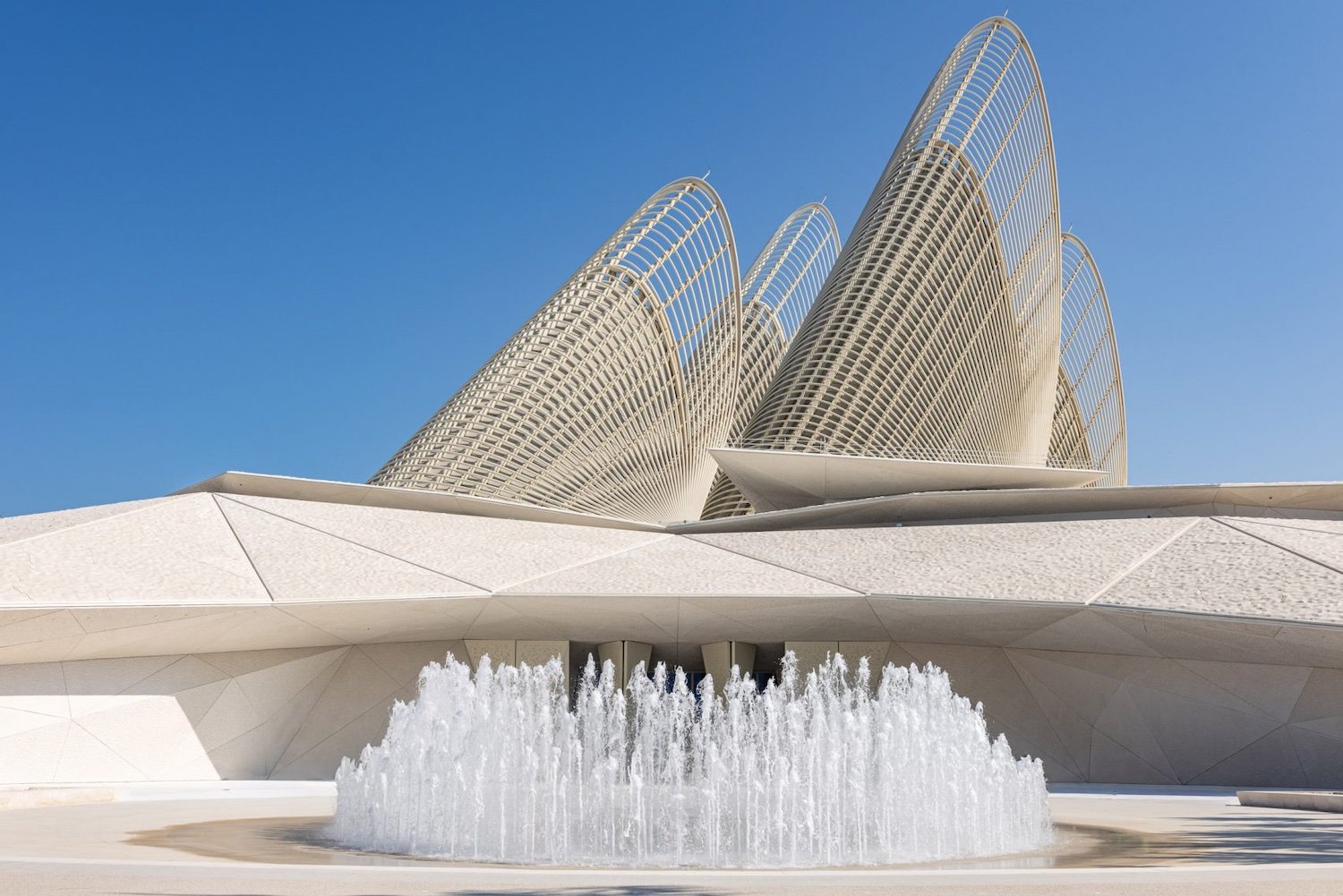
On Saadiyat Island, Zayed National Museum celebrates the UAE’s rich history and features five aerodynamic wings that act as thermal chimneys, enhancing comfort and sustainability efficiency.

Shaped like giant rocks embedded in the ground, The Holy Redeemer Church provides a generous civic space in an area long in need of one. Inside, rough forms, textured surfaces and filtered light create an atmosphere of quiet introspection.

Part of a wider urban regeneration plan, the new Arena Santa Giulia in Milan features luminous ribbons that wrap the building and appear to float above one another.

From a temporary urban pavilion to an Alpine bivouac. This architecture stores energy and harvests water, bringing together digital fabrication and landscape sensitivity.

Milan Winter Olympic Village by Skidmore, Owings & Merrill balances architectural ambition with civic purpose, weaving together new homes, revitalised heritage structures, and generous green public spaces. After the athletes fly home, the new complex is set to welcome students in time for the next academic year.

BIG – Bjarke Ingels reveals the first look at the completed Suzhou Museum of Contemporary Art, a 60,000 sqm constellation of 12 linked pavilions that celebrates the city’s garden heritage and takes visitors on a journey through art, nature, and water.
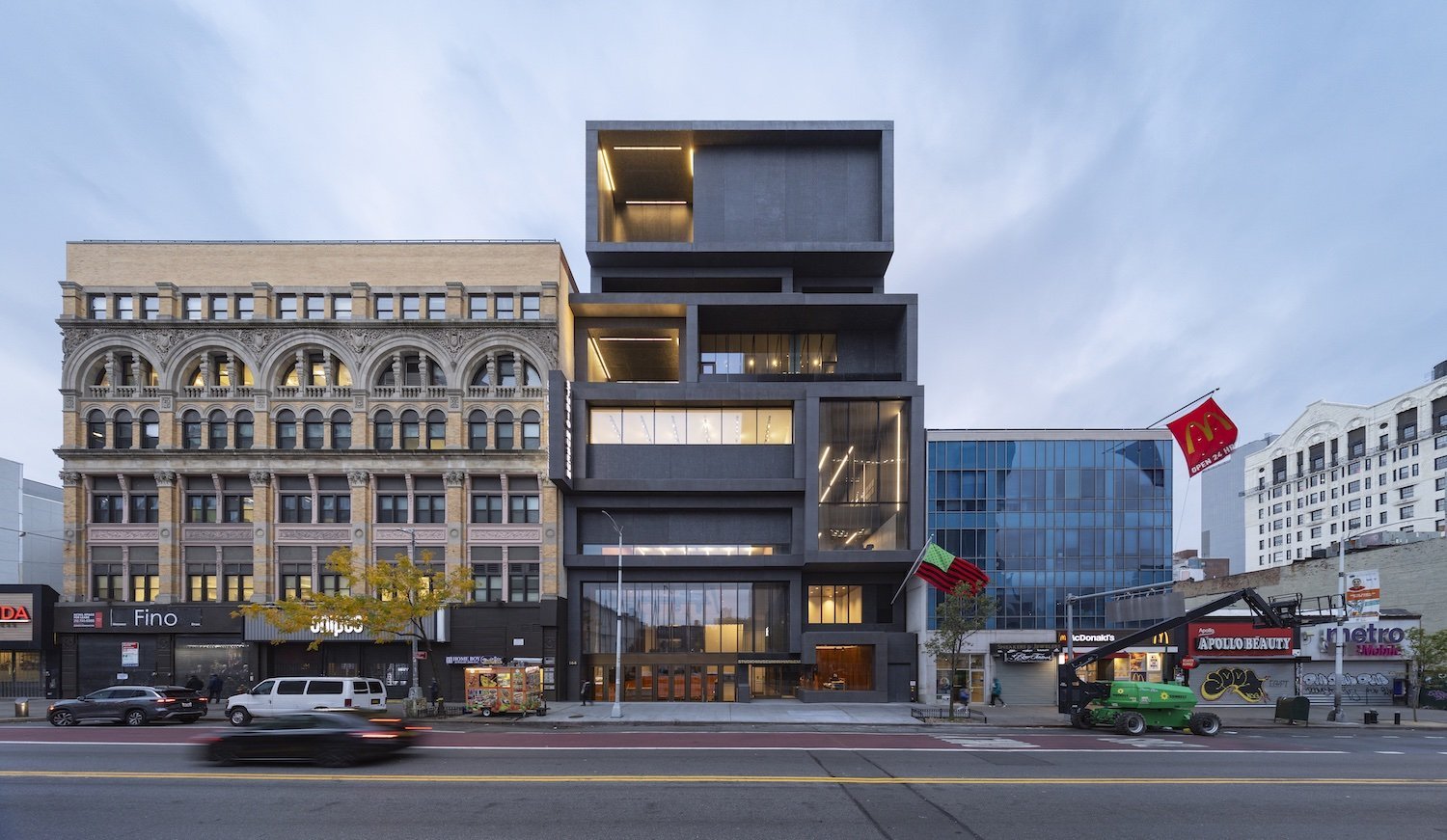
Adjaye Associates’ Studio Museum Harlem embraces its urban surroundings to champion creativity from African descent in New York and beyond.

With the Chatai pavilion, Nikken Sekkei and Sobokuya bring Japanese tea rituals and culture to Dubai within a handcrafted architecture, blending tradition and community.

In Eindhoven, Pauline van Dongen’s innovative solar-powered fabric captures the sun’s energy and glows at her Umbra Pavilion, a kite-like architecture weaving light, technology, and care for our planet.

The new home of the Fondation Cartier adapts seamlessly to artists and their ideas. Moving floors create a dynamic space of uninhibited inspiration.
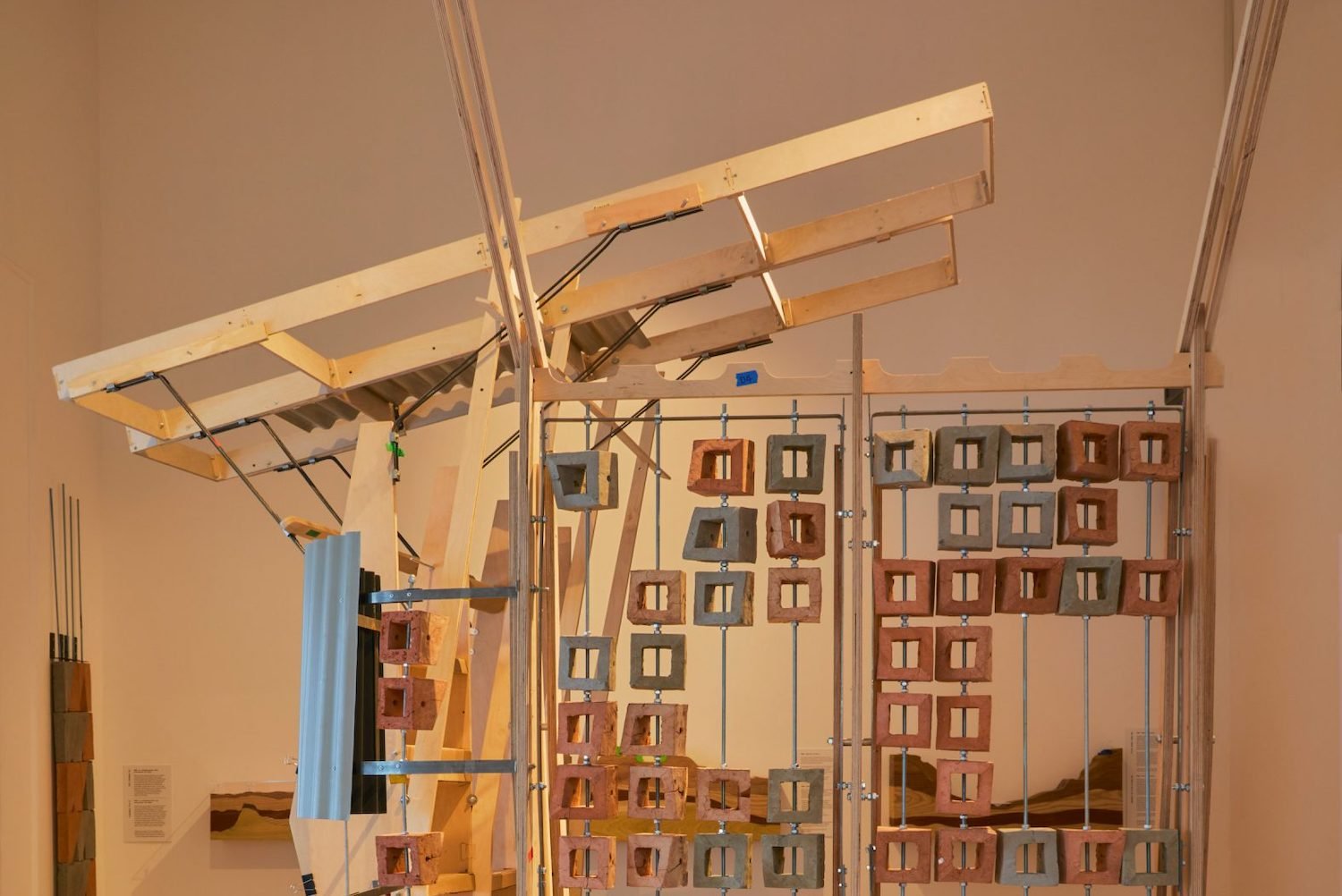
As Israel sits out the 2025 Venice Architecture Biennale, the British and Lebanese pavilions confront architecture’s role amid the Middle Eastern conflict.

From clearing mountains of rubble to restoring shattered infrastructure, Trump’s Peace Plan has laid the groundwork—but the true story of rebuilding Gaza remains unwritten, with one urgent question hanging over it all: who will pay for this monumental reconstruction?
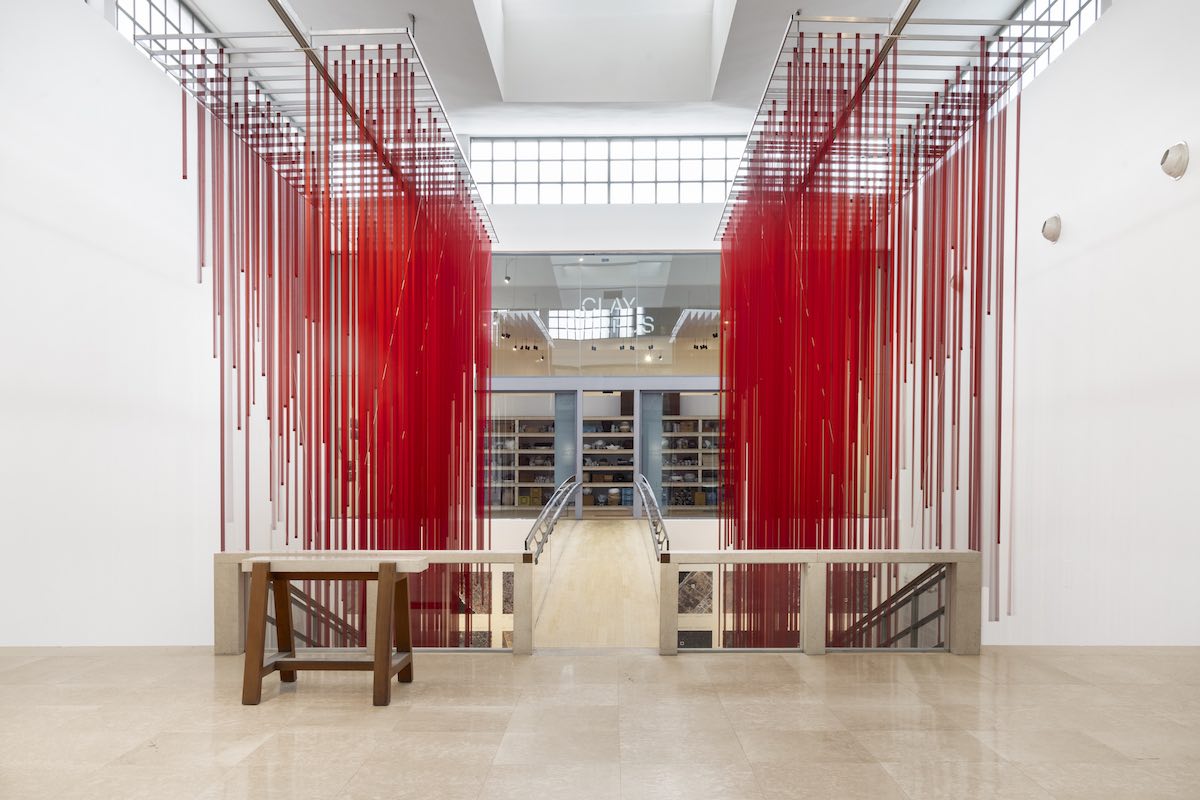
At MilanTriennale, 471 Days uses architecture to make the Israel-Gaza war tangible through a staircase memorial where every day of loss is felt.

The Poetic Daylight Pavilion turns the passing hours into an architectural experience, celebrating how the sun’s quiet choreography defines atmosphere and well-being.

The Inside Out, Downside Up pavilion by Slaatto Morsbøl is built mainly from reused materials, offering a sensorial architectural experience with a powerful message: Slow Down!

Tom Svilans and THISS Studio repurpose an old barn into a cocooning meditative space. Their Barn Again pavilion at the inaugural Copenhagen Architecture Biennial highlights the creative potential of reclaimed materials.