Fondation Cartier pour l’art contemporain – © Jean Nouvel-ADAGP, Paris, 2025. Photos by © Martin Argyroglo, unless stated.
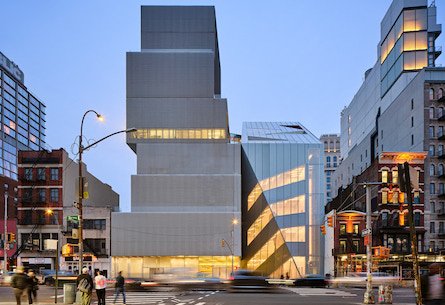
Architecture. In the beating heart of Paris, Jean Nouvel has redefined what a museum can be. The French architect has transformed a 19th-century department store into a visionary 8,500-square-metre home for the Fondation Cartier pour l’Art Contemporain. With its inaugural exhibition, Exposition Générale, the museum opens as both a showcase for contemporary art and a masterpiece of ingenious architecture.

The new Fondation Cartier occupies a Haussmann-era block facing the Louvre, a building rich in Parisian history. Once the Grand Hôtel du Louvre, later the Grands Magasins du Louvre, it had been a shopping centre specialising in antiques until 2019. Nouvel retained the historic façades, but reimagined the interior entirely. While its historic façade has been carefully restored, the majority of the original interiors were destroyed during World War II. The architect reimagined what remained from the ground up. “Everything must be removed, all that we can, except for the essential load bearers. It must be possible for the gaze to pass through an unobstructed space.” His radical approach stripped the structure to its bones, revealing light, strength, and the potential for transformation.
[su_image_carousel source=”media: 45828,45829″ limit=”0″ slides_style=”minimal” crop=”none” spacing=”no” dots=”no” autoplay=”1″ speed=”immediate”]
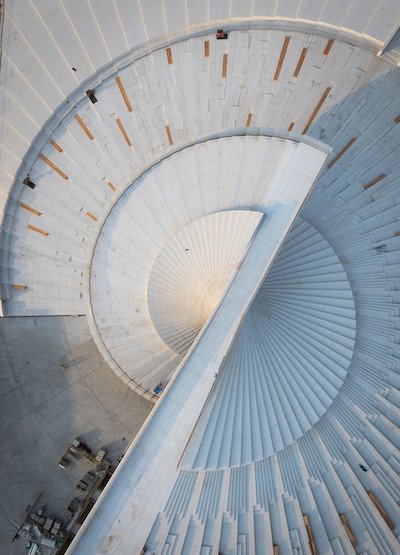
Nouvel’s architectural vision for the Fondation Cartier revolves around what he calls “a big internal machine.” Under vast skylights, five steel platforms rise and fall like mechanical stages, creating an ever-changing interior landscape. “A kind of mechanical thing, purely mechanical,” he says. Each movable floor can be adjusted across 11 positions over three levels, allowing curators to orchestrate space itself.

Aligning all the platforms produces a single sweeping 1,200-square-metre gallery—while offset configurations open new perspectives, verticality, and movement. When the platforms are at different levels, retractable balustrades can be extended to prevent falls.
[su_image_carousel source=”media: 45832,45833″ limit=”0″ slides_style=”minimal” crop=”none” spacing=”no” dots=”no” autoplay=”1″ speed=”immediate”]
The Fondation Cartier’s engineering is proudly on display. Steel cables stretch taut through the galleries; the machinery is visible, unapologetic, and beautiful. This transparency contrasts with the historical stone and glass, a dialogue between past craftsmanship and contemporary invention. Nouvel turns the building into a spectacle of motion, precision, and light.

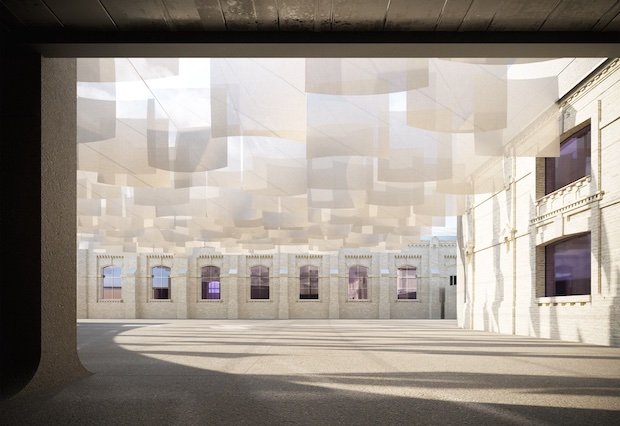
Above the main galleries, former courtyards now glow beneath glass skylights, with mobile shutters—his “mechanical curtains”—modulating daylight. Hanging gardens planted above echo the Palais-Royal nearby, filtering the seasons into the museum’s atmosphere. Around this central “machine,” more conventional galleries, balconies, and glass façades complete the composition, balancing innovation with grace.

The building’s facades have been stripped back, and huge glass panels with no visible frames have been installed between the existing columns, which have been clad in solid Saint-Maximin stone identical to that used to build the block 165 years ago.
[su_image_carousel source=”media: 45834,45835″ limit=”0″ slides_style=”minimal” crop=”none” columns=”2″ spacing=”no” dots=”no” autoplay=”1″ speed=”immediate”]
Beyond exhibition halls, the Fondation Cartier includes a small foyer beside the main entrance on Place du Palais-Royal, a red-accented auditorium with 110 seats, a bookshop, a café, and—soon—a restaurant and workshop space. It’s not just a museum; it’s a living system, a dialogue between engineering and art, past and future.

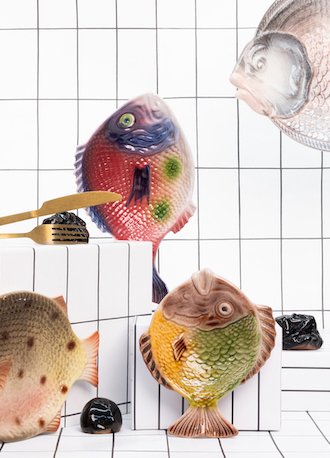
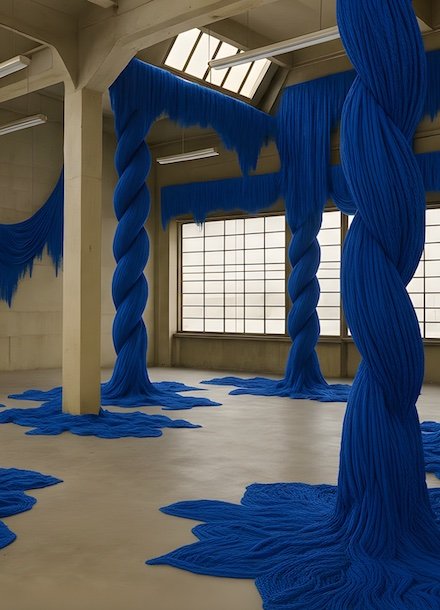
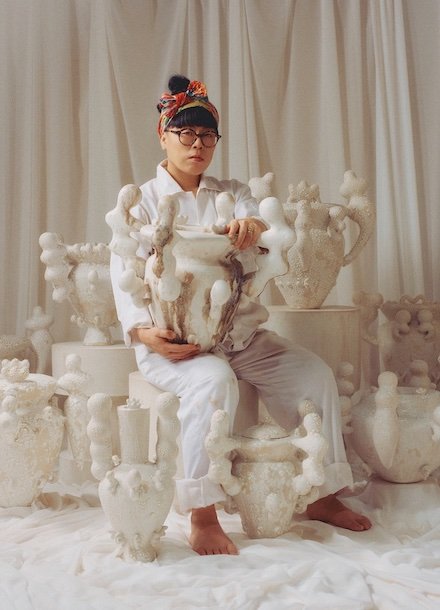
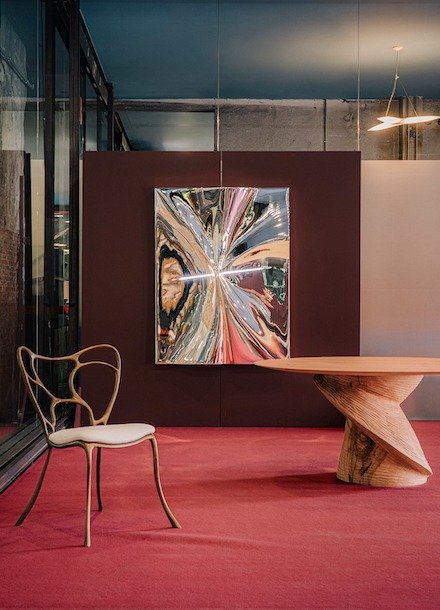
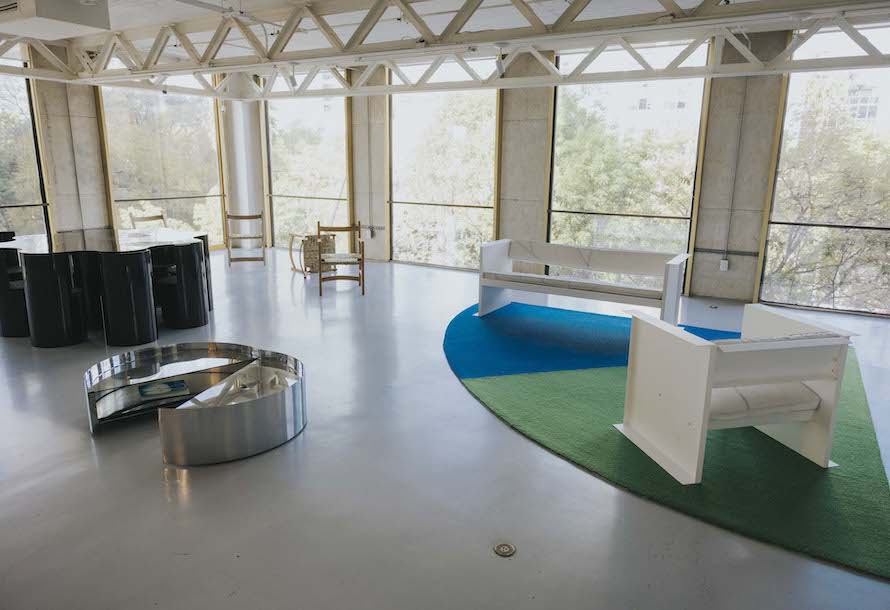
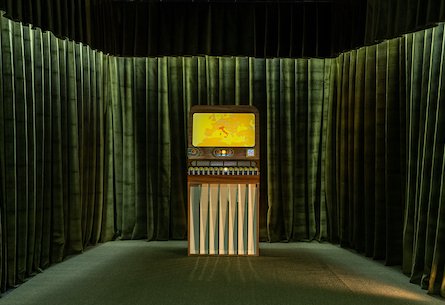
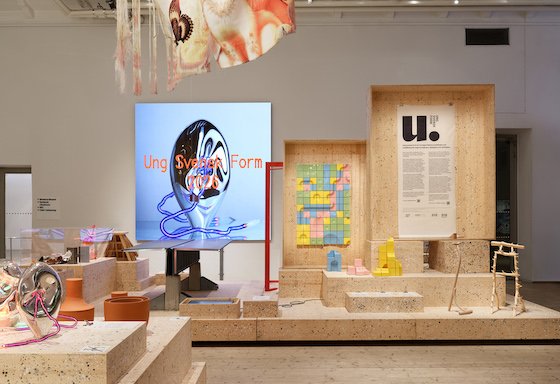
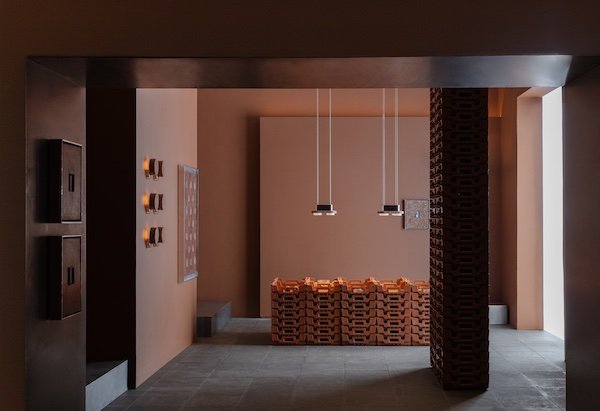
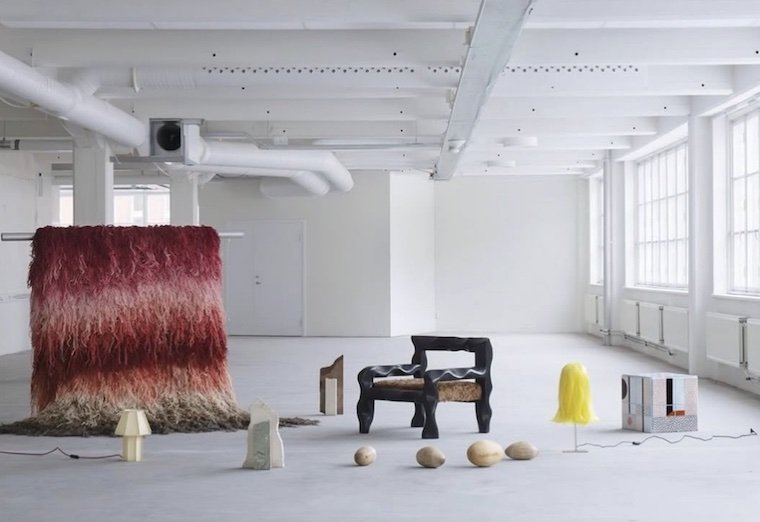
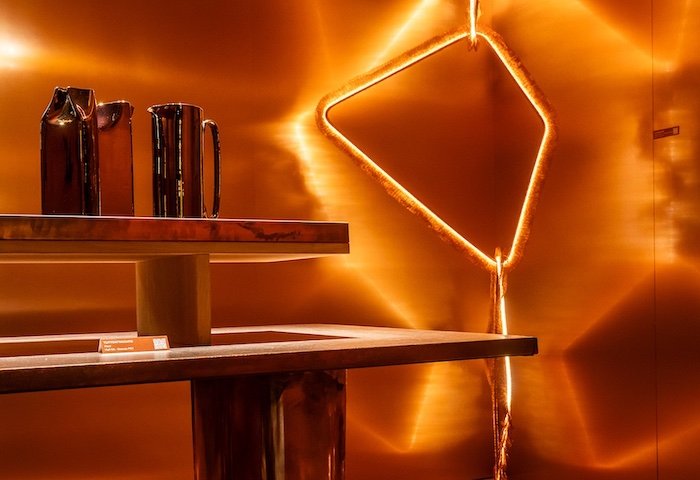
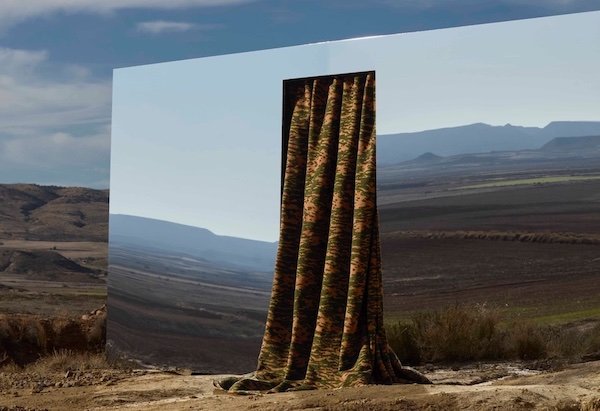
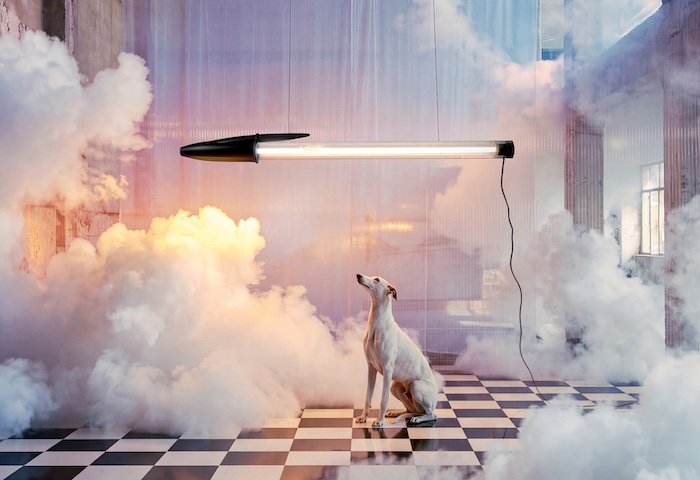
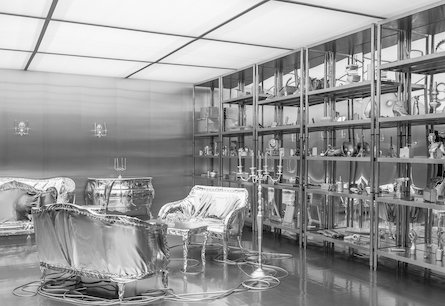
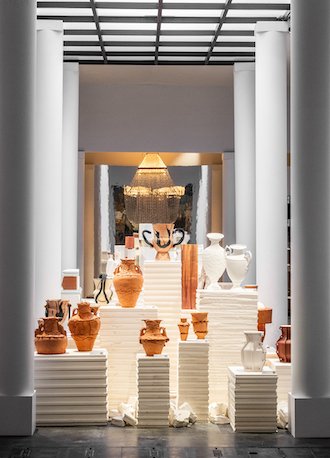
With Exposition Générale, curated by Grazia Quaroni and Béatrice Grenier and designed by Formafantasma, the Fondation Cartier celebrates forty years of creative exploration since its founding in 1984.

Exposition Générale at the Fondation Cartier – Photo by By Marc Domage.
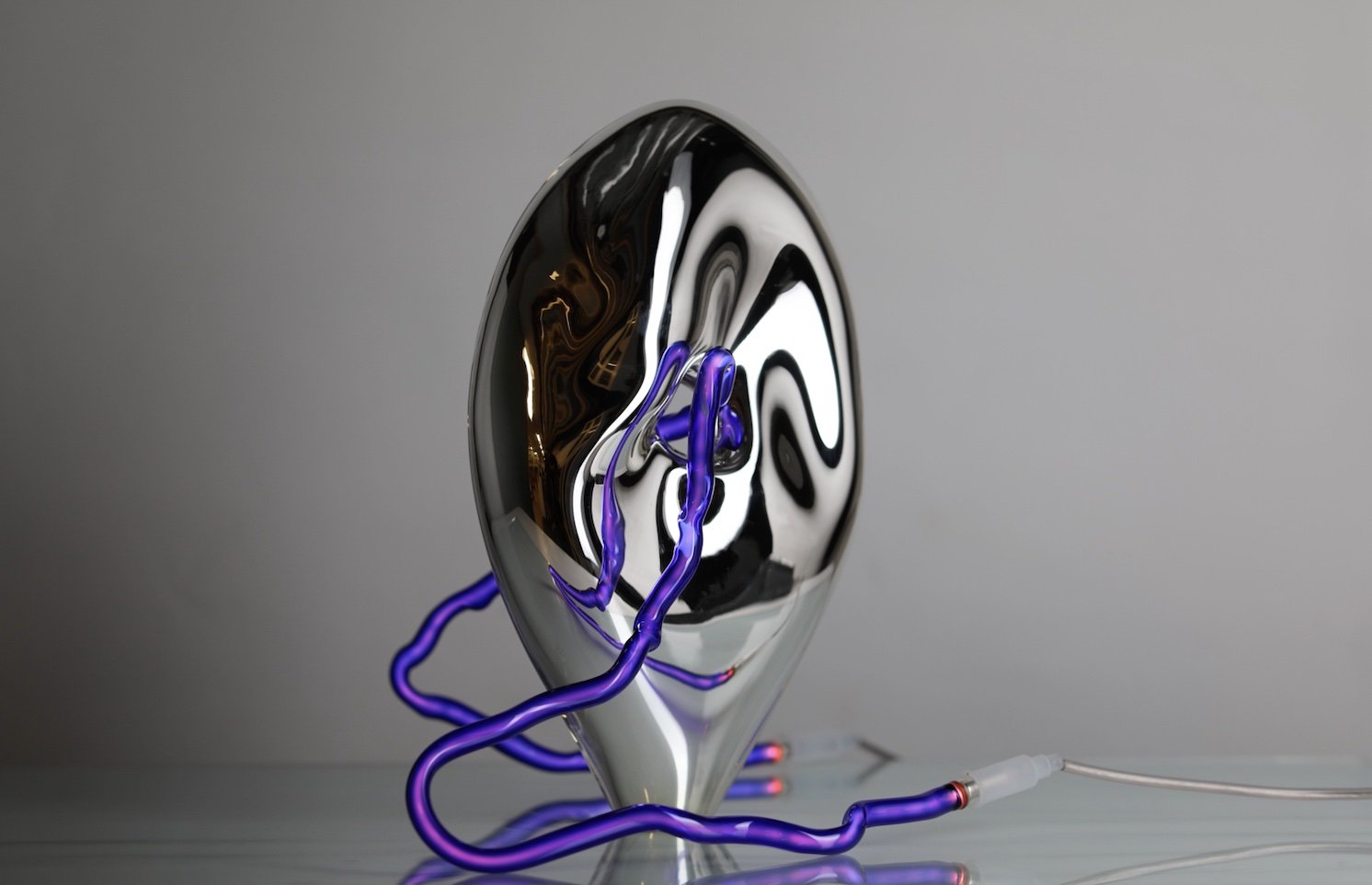
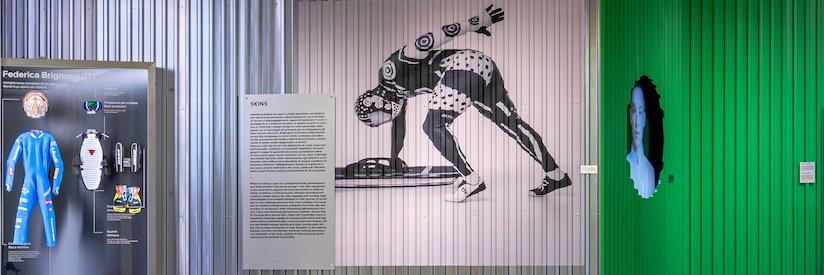
Illustrating the institution’s history and openness to the world, it highlights major pieces in its collection, which has evolved over the years as a reflection of this programming, and offers visitors the opportunity to rediscover nearly 600 works by over 100 artists.

Photo by By Marc Domage.
The architect’s vision for the Fondation Cartier is not only a space for art, but an artwork in motion—a poetic machine that breathes, transforms, and redefines the museum itself.

Photo by By Marc Domage.
Photos are by Martin Argyroglo, unless stated.

Photo by By Marc Domage.