

Brazilian Pavilion. Oscar Niemeyer: Igreja São Francisco de Assis, Pampulha, Belo Horizonte, Brazil 1940. © Cristiano Mascaro
“Brazil is one of the countries that absorbed the precepts of modern architecture in the most interesting ways, and this helped strengthen the national identity”. Comment André Aranha Corrêa do Lago, curator of the exhibiton “Brazil: Modernity as tradition” at the country’s pavilion during Venice Architecture Biennale.
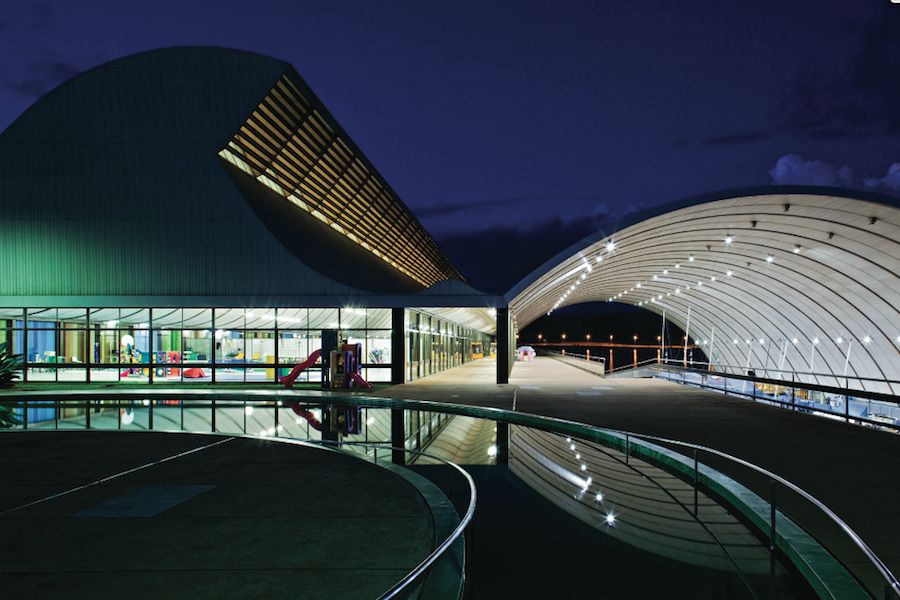
João Filgueiras Lima ‘Lelé’: Sarah Hospital, Brasília, Brazil 2003. © Nelson Kon
“Unlike other countries, which, over the centuries, developed a typical national architecture—recognizable in caricatural form to other peoples—what we call ‘Brazilian architecture’ is not a legacy of the past, but is actually modern”—says the curator. The exhibition aims to show the chronological evolution of Brazilian architecture, organized into “building” types: collective housing, individual residences, governmental buildings, schools, urbanism, landscaping, pavilions and cultural centers.

Affonso Eduardo Reidy: MAM Museu de Arte Moderna / Museum of Modern Art – Rio de Janeiro, Brazil 1953. © Leonardo Finotti
In addition to projects of significance to the evolution of Brazilian architecture, such as the pre-Colombian (Indian shacks), vernacular constructions and baroque designs, the show highlights works that display a strong international influence, such as Capanema Palace, Pampulha and Brasília.

Oscar Niemeyer: Congresso Nacional do Brasil / National Congress of Brazil – Brasília, Brazil
1958. © Cristiano Mascaro
The exhibition shows that Brazilian architecture became so relevant thanks to a steady stream of important personalities, many of whom worked in close contact: Lucio Costa, Oscar Niemeyer, Roberto Burle Marx, Affonso Reidy, Lina Bo Bardi, Lelé (João Filgueiras Lima) and Paulo Mendes da Rocha.
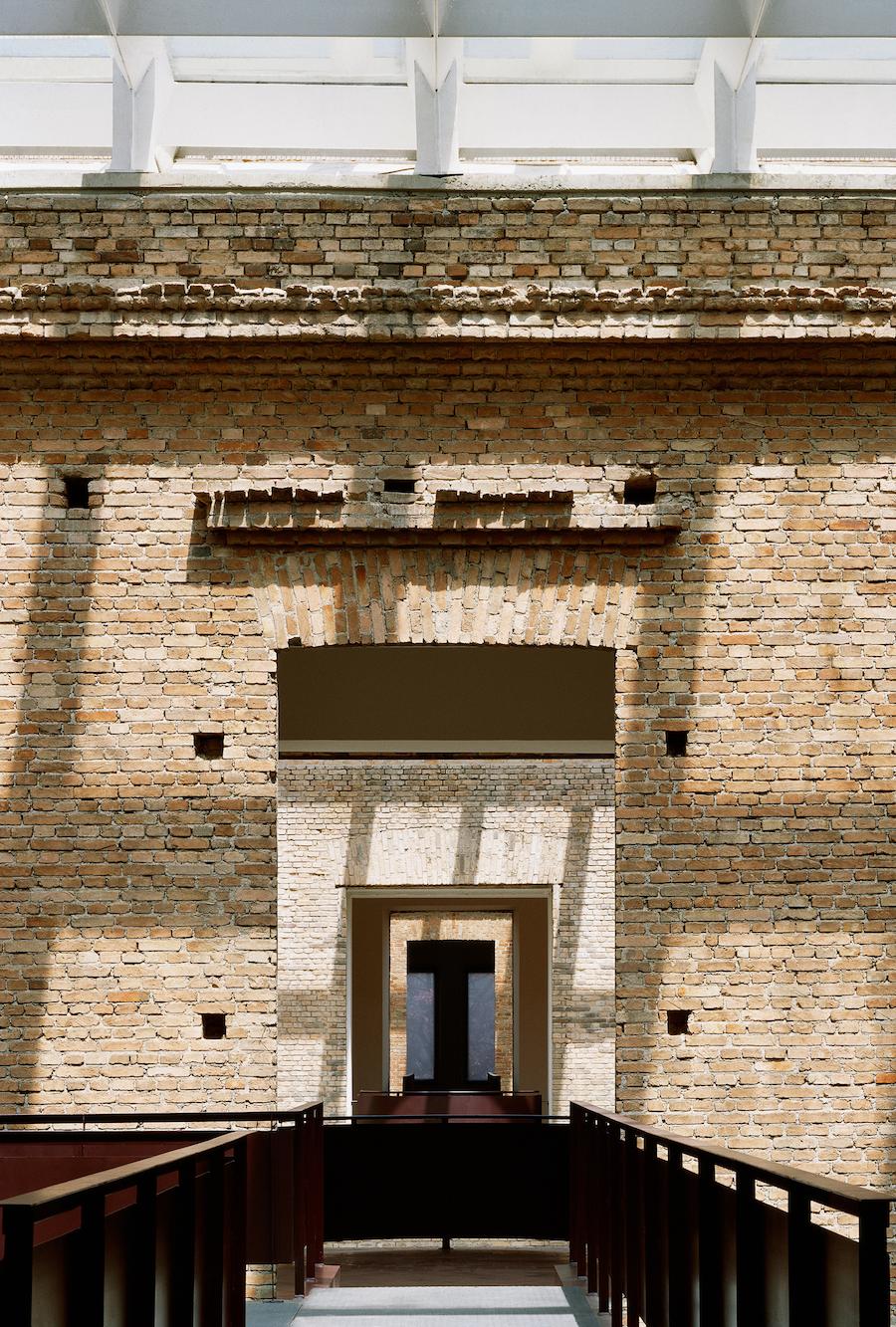
Paulo Mendes da Rocha: Pinacoteca do Estado São Paulo, Brazil, 1994. © Nelson Kon





Comments are closed.