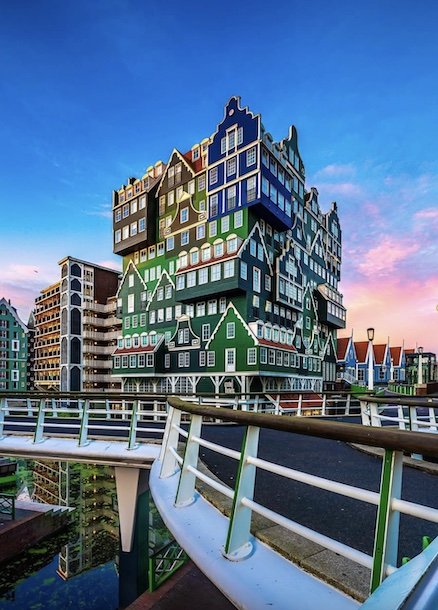
Archifont series by Federico Babina – Alvar Aalto.
Architecture, Graphic Design – From Zaha Hadid to Frank Lloyd Wright, from Oscar Niemeyer to Tadao Ando, and more… In the Archifont series, minimal and organic letters move gracefully on paper, talking, whispering, and shouting a message in the style of iconic architects.
- RELATED STORIES: Read more about Federico Babina on Archipanic…
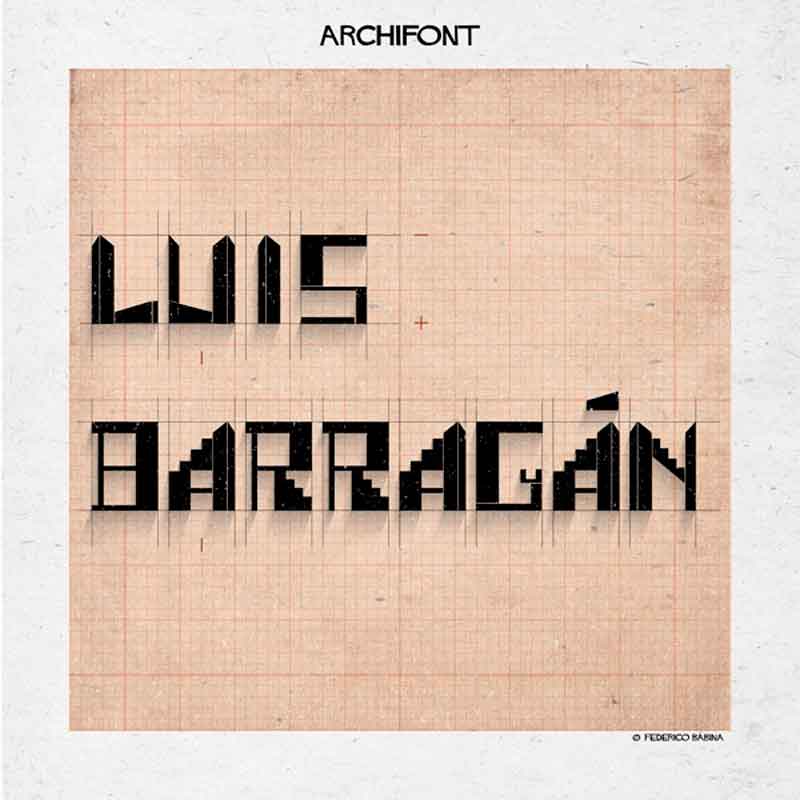
“The letters of the alphabet are like naked people who meet and begin to dress, defining their own character and personality with which to present themselves to their readers.” Barcelona-based architect and graphic designer Federico Babina told Archipanic.
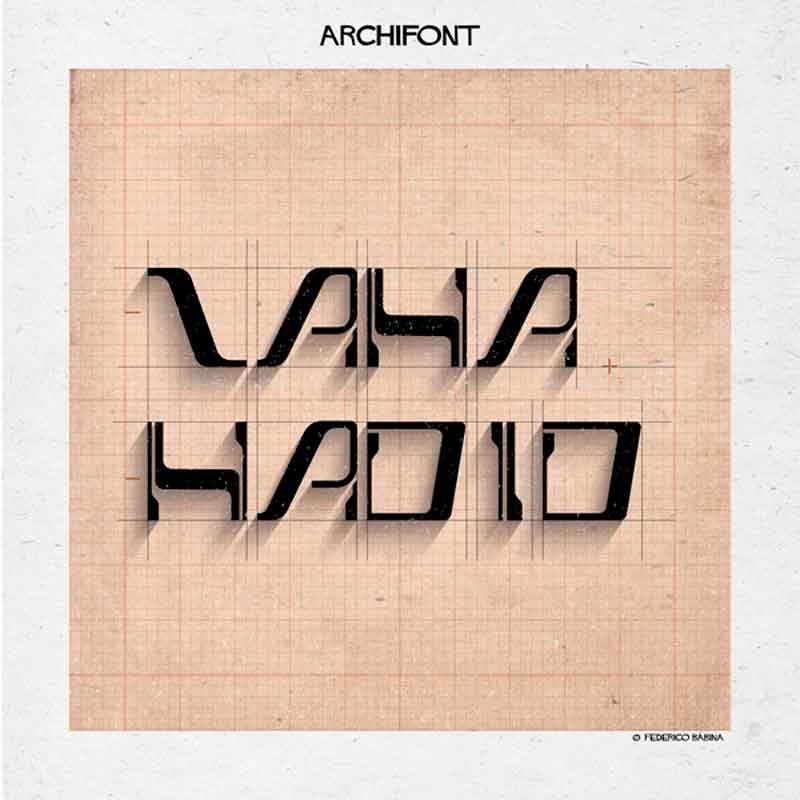
“I imagined a typeface inspired by some of the most important architects and designers of the 20th century, shaping and dressing each letter of architecture, able to tell a part of the aesthetic and artistic personality of the protagonist.” Babina challenged all styles, be it modernist or futurist, expressionist or brutalist, deconstructivist or constructivist, postmodernist or metabolist.
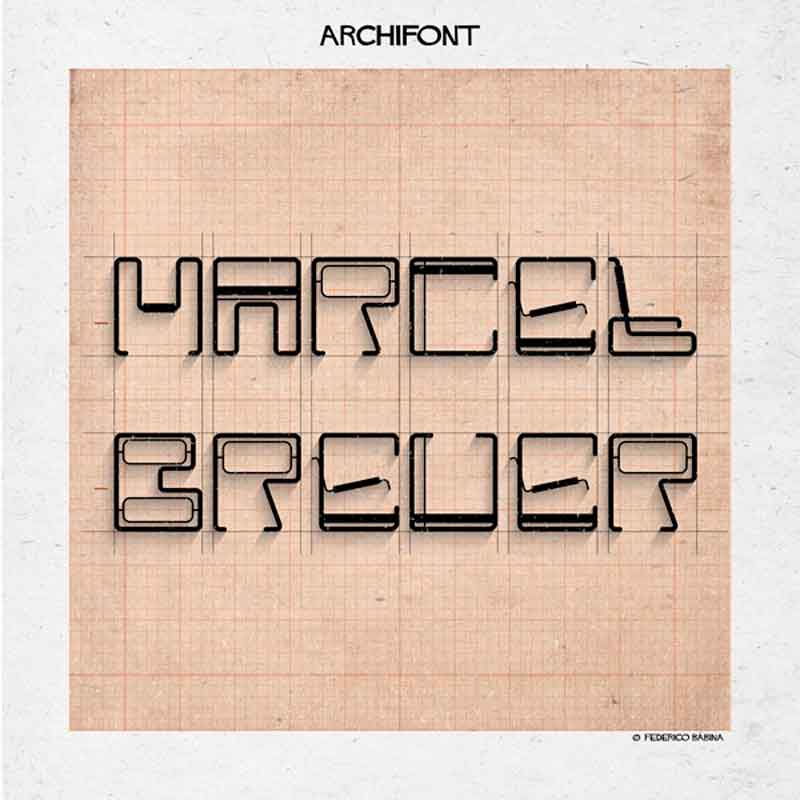
Each letter was conceived “as a microarchitecture, a small structure that binds to the others building a city made of words and meanings with different forms and styles. In this voyage or village illustrated, letters modulate narrating the architecture.”
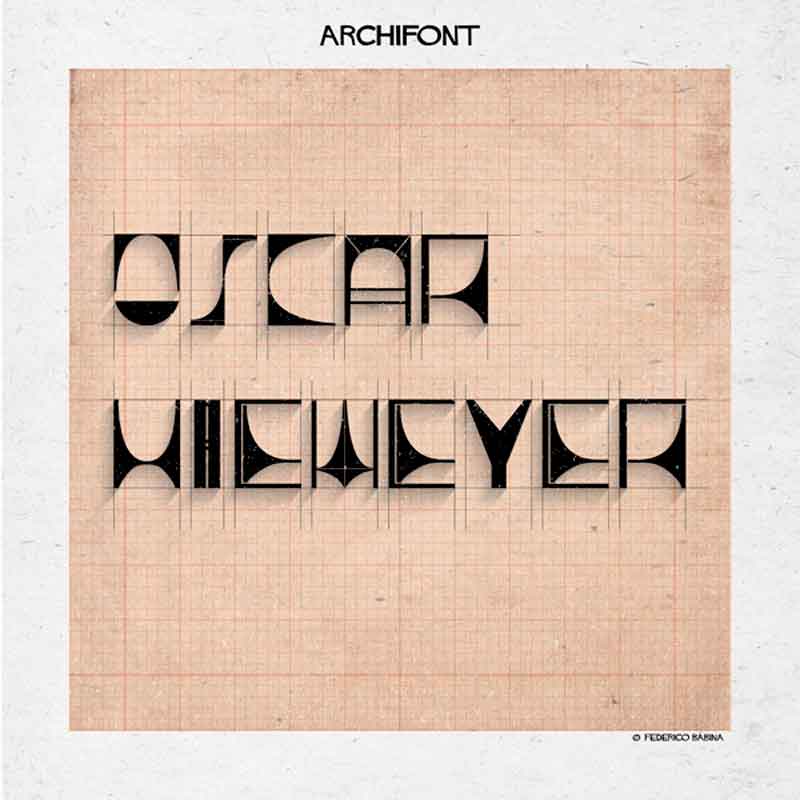
Throughout history, font design has played a leading role in narrating the styles and artistic currents that created it. “Typefaces are often linked to a historical context, a style and a different way of interpreting communicative intentions, personal emotionality or the philosophical idea of visual beauty.”
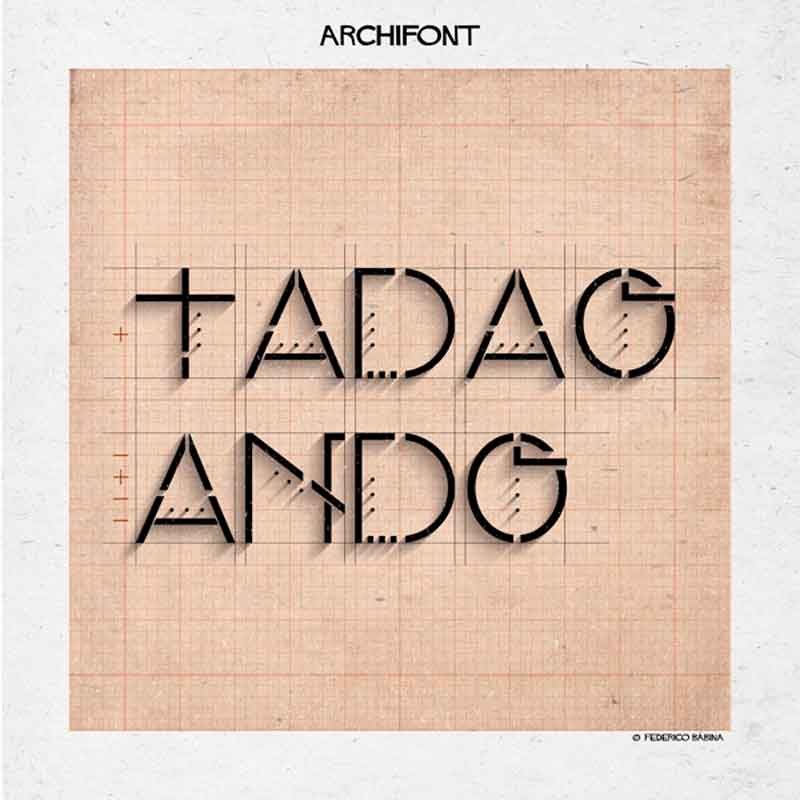
“The idea is to imagine a typeface inspired by some of the most important architects and designers of the 20th century, shaping and dressing each letter of architecture, able to tell a part of the aesthetic and artistic personality of the protagonist.” Adds Babina.

In Archifont, each letter is transformed into a symbol that adds semantic meaning to reading as a communicative image. “I don’t like to describe my illustrations. I like the idea that everyone can make their own personal journey to discover details and references.”
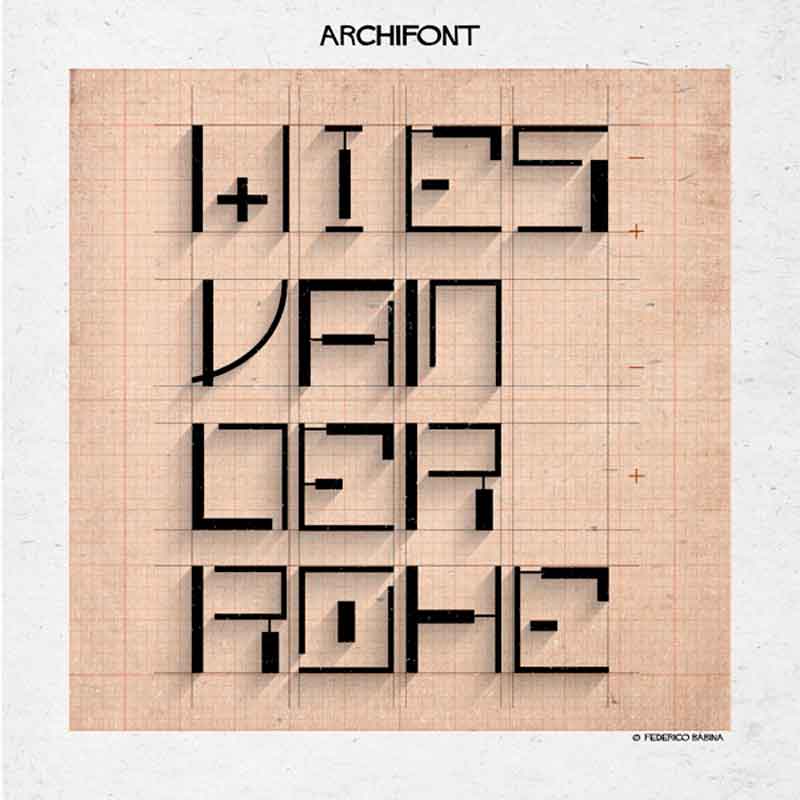
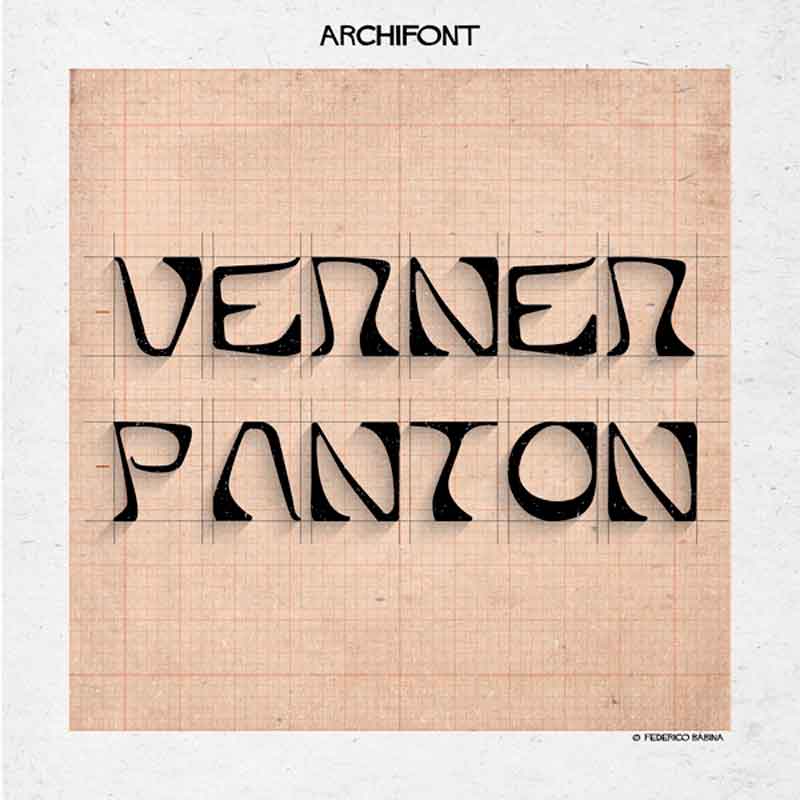
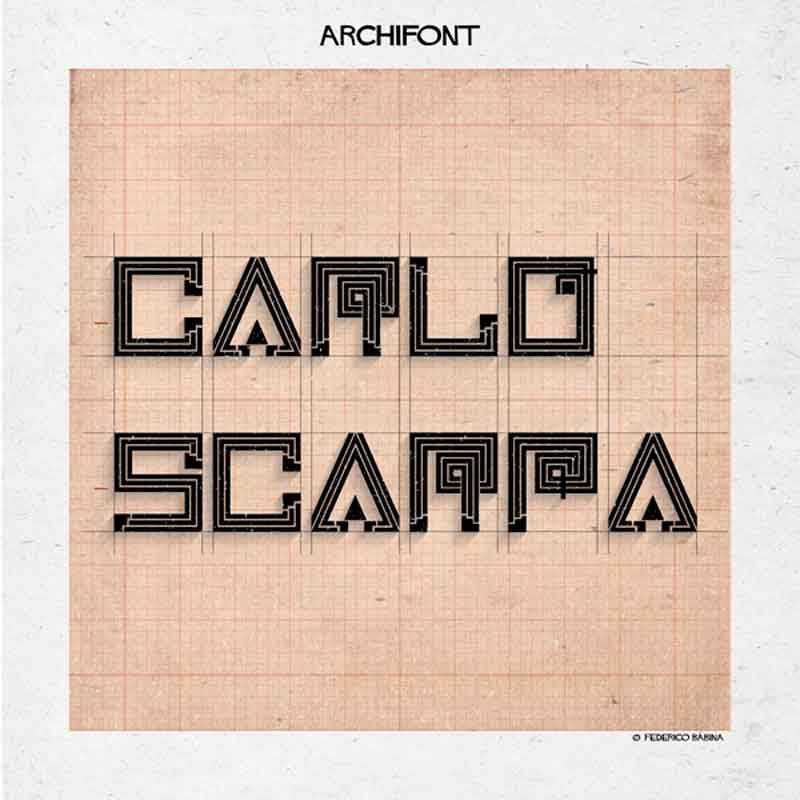
All graphic designs by Federico Babina.
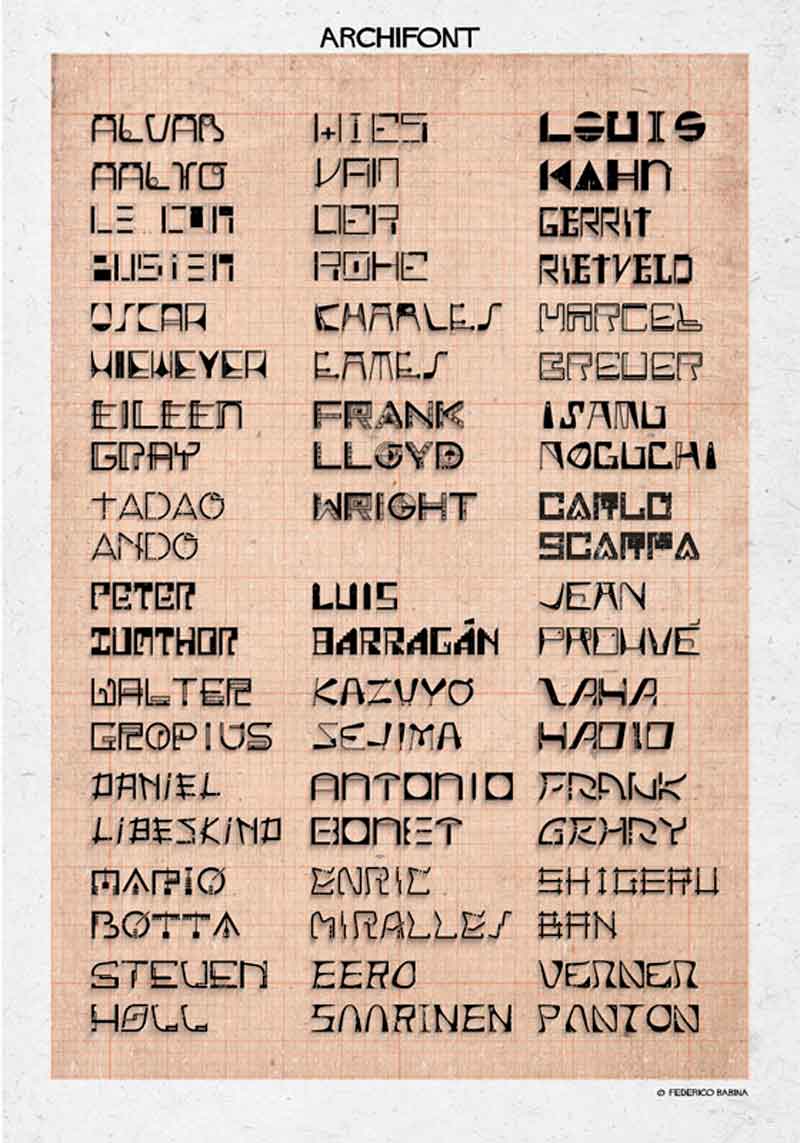
Archifont series by Federico Babina – All