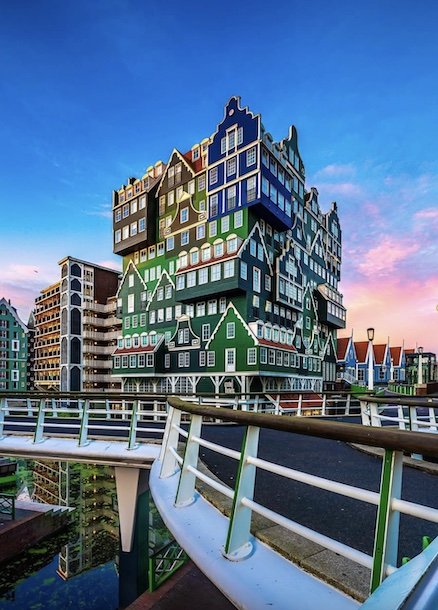
Material Matters 2024 – Photo by Max Colson.
Design. During London Design Festival, Material Matters 2024 brought together world-leading brands, designers, and makers who investigated and celebrated materials’ importance and ability to shape our lives. The fair returned to the Bargehouse building at OXO Tower Wharf in London Southbank. Check what we liked the most!
- RELATED STORIES: Read more about the London Design Festival 2024 on Archipanic.
[su_image_carousel source=”media: 41189,41187″ limit=”0″ slides_style=”minimal” crop=”none” columns=”2″ spacing=”no” captions=”yes” dots=”no” autoplay=”3″ speed=”immediate”]
Some projects blended biology, craft, and design to open up new possibilities for biomaterials while tapping into the innate connection between nature and design. The Locally Grown installation by Dutch material researcher, designer and maker Sanne Visser invited visitors to explore their hair as a new material with great potential. They could discover the entire journey from human fibre to product through live haircuts, spinning, rope-making demonstrations, and an exhibition of furniture and garments.

Locally Grown installation by Studio Sanne Visser – Photo by Rocio Chacon.
Rootful presented a range of lamps and furniture bio-crafted from roots. The London-based material innovation company has developed an innovative textile made by guiding plant roots to “weave” garments and products.
MushLume presented its award-winning bio-fabricated lighting collection that was grown, not manufactured, from mycelium, mushrooms’ roots. The lampshades are grown utilising a sustainable crop combined with rapidly renewable living organisms: fungi.
[su_image_carousel source=”media: 41193,41191″ limit=”0″ slides_style=”minimal” crop=”none” columns=”2″ spacing=”no” captions=”yes” dots=”no” autoplay=”3″ speed=”immediate”]
Some designers worked with paper to create unexpected lamps and furniture with a democratic and sustainable imprint. We particularly enjoyed the Carta Lamp 001 by Sergi Peguera for Barcelona-based brand Suru. The portable light is made from a single sheet of paper that can be disassembled easily for repair, embodying a smart lifecycle approach. “It all started with sheets I had on the table while waiting for a call,” explains the designer. “Sometimes, design is about making things with what we have closest at hand, making it accessible, economical, and with good taste.”
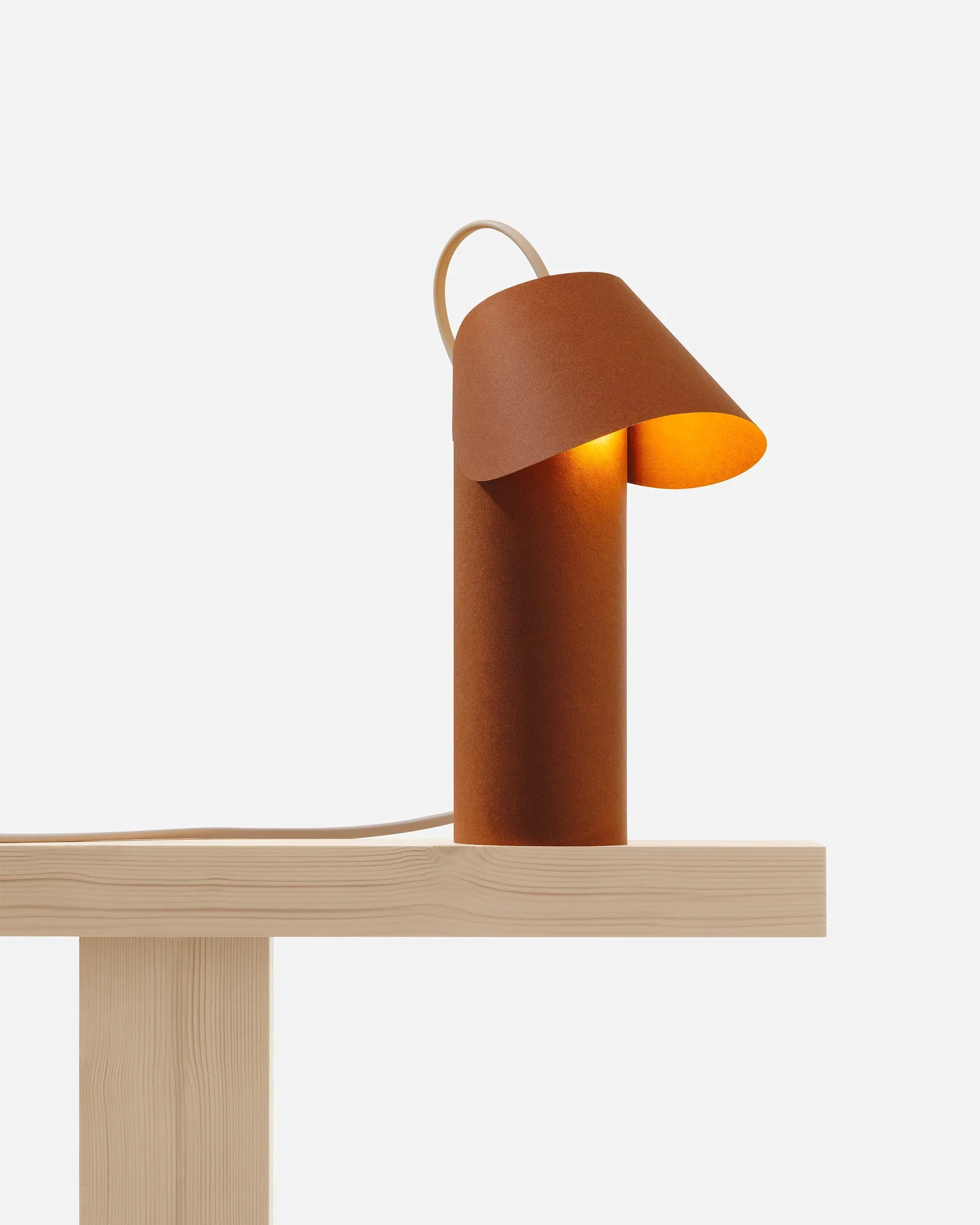
Carta Lamp 001 by Sergi Peguera x Suru – Photo by Sergi Peguera, Manel Cano, Oriol Puchol and Paula Ibañez.
One of the smartest ways to reduce waste is to upcycle it! Hydro, the world’s Leading Norwegian aluminium and renewable energy company, has teamed up with seven international designers, including Max Lamb, Inga Sempé, and Philipe Malouin, to present Hydro CIRCAL1 00R, the world’s first industrial-scale aluminium product made entirely of post-consumer scrap that can be mass-produced on an industrial scale. Read more.

Hydro 100R – Photo by Hydro.
POTR presented its latest flat-pack, self-watering POTR Pots from waste fishing nets. The vessels’ design harnesses origami innovations to keep your flora thriving, delivered directly through your letterbox. Various features improve the hassle-free experience of caring for your plants while lowering the carbon footprint of the plant pot.

POTR Pot by POTR – Photo by Max Colson.
Biobased materials can make a difference when upscaled to industrial production. That is the case with the Catifa Carta chair by Italian furniture brand Arper. Originally designed by Barcelona-based studio Lievore Altherr Molina in 2001, the new seat comes with a shell made of Papershell, an innovative composite wood by-product and timber waste that sequesters CO2 like trees. At the end of its life cycle, the 100% fossil-free material can be reduced to biochar, and when mixed with soil, it becomes a home for mycelium and microbes to create new life.

Catifa Carta by Lievore Altherr Molina x Arper at Material Matters 2024 – Photo by Max Colson.
Bratislava-based crafting plastic! studio showcased Collection 14, a new series of 3D-printed stackable stools made from Nuatan, a biobased and biodegradable material. The seats switch colour in response to UV radiation, highlighting changes in real-time and raising awareness about these invisible environmental threats through the material’s properties.

Collection 14 by crafting plastics! studio – Courtesy of Material Matter.
Danish design company Normann Copenhagen showcased a timeline of its 25-year history through defining products that highlight the brand’s enduring commitment to innovative design. On display was also the Mat Chair by Foersom & Hiort-Lorenzen, crafted using hemp and eelgrass, a type of seaweed. The material not only provides a more responsible product but also plays a vital role in the design’s aesthetic, highlighting natural beauty and tactility. Read more.

Mat Chair by Foersom & Hiort-Lorenzen for Normann Copenhagen – Photo by Normann Copenhagen.
All photos are courtesy of Material Matters 2024.