

Aravena/Elemental: Monterrey Housing, 2010, Monterrey, Mexico – Photo by Ramiro Ramirez.
Alejandro Aravena has been selected as the 2016 Pritzker Prize, the architecture’s Nobel prize. The Chilean architect, founder of studio ELEMENTAL, is also the curator of upcoming Venice Biennale that will inaugurate on the 28th of may.
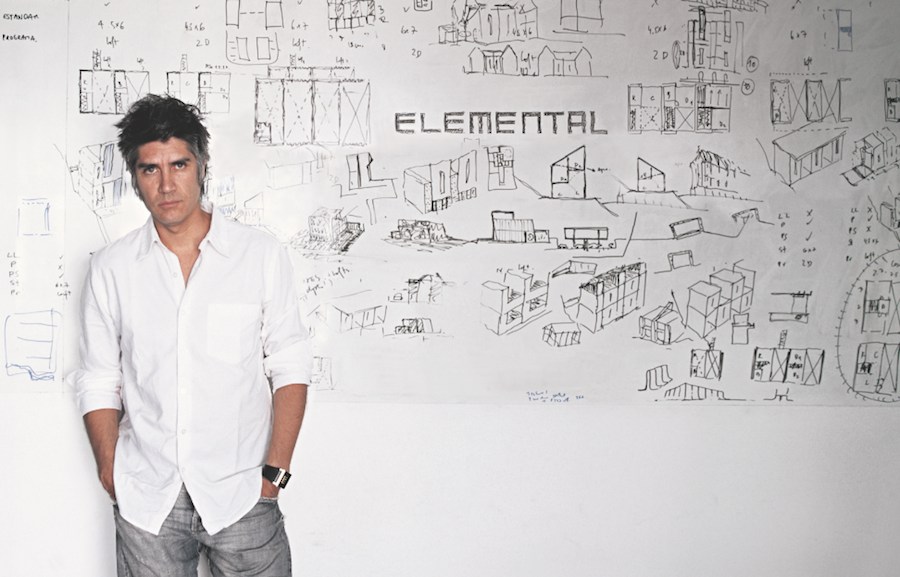
Portrait of Alejandro Aravena – Photo by Cristobal Palma, courtesy of ELEMENTAL.
RELATED STORY: This year Venice Biennale will be reporting from the front as “There are several battles that need to be won and several frontiers that need to be expanded in order to improve people’s quality of life” says curator Alejandro Aravena. Read more…

Aravena/ELEMENTAL: Siamese Towers, 2005, San Joaquín Campus, Universidad Católica de Chile, Santiago, Chile – Photo by Cristobal Palma.
Tom Pritzker, Chairman and President of The Hyatt Foundation, which sponsors the prize said: “He built work gives economic opportunity to the less privileged, mitigates the effects of natural disasters, reduces energy consumption, and provides welcoming public space […] he shows how architecture at its best can improve people’s lives”.
Aravena emailed: “The prestige of the prize is such that we hope to use its momentum to explore new territories, face new challenges, and walk into new fields of action”.
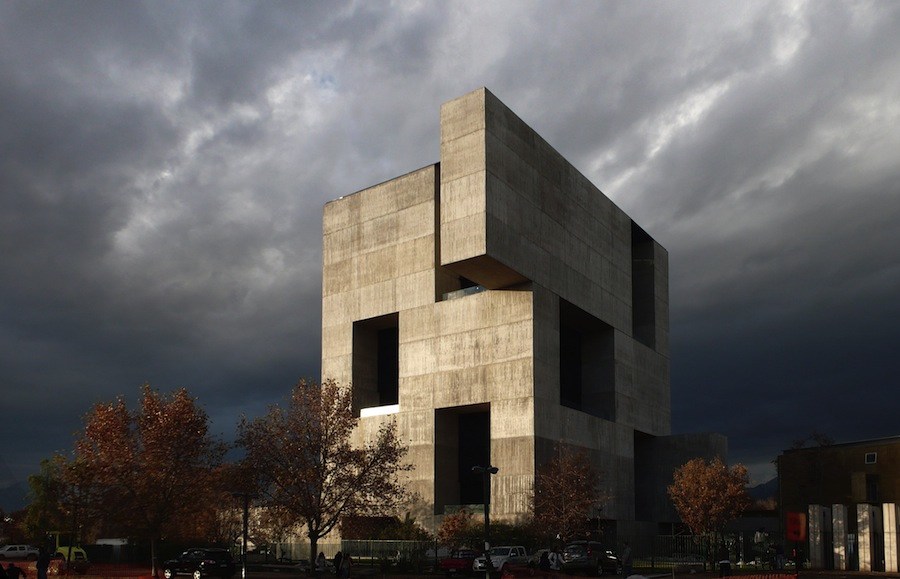
UC Innovation Center Anacleto Angelini by Elemental – Photo by Nina Vidic, Courtesy of Elemental.
Alejandro Aravena’s and ELEMENTAL “do tank” architecture group are known for their participative projects aimed to better life conditions in slums and poor areas of Chile and South America. Their projects are designed to engage local communities so that they can contribute to activate social ad sustainable improvement.
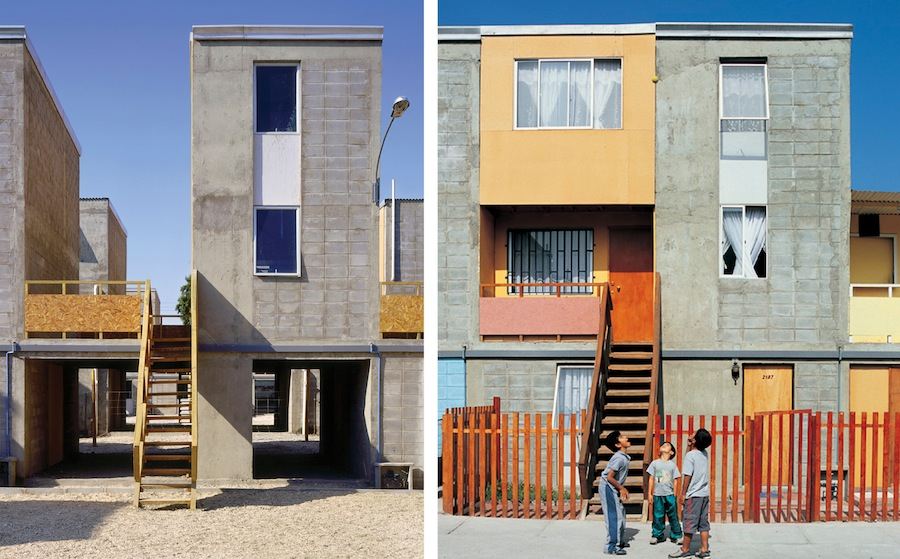
Aravena / ELEMENTAL: Quinta Monroy Housing, 2004, Iquique, Chile – Photos by Cristobal Palma.
The revolutionary Half a good house project redefined the economics of social housing. The public budget for re-housing 100 family living illegally in Inique, Northern Chile, wasn’t enough to allow people to rebuild the neighbourhood.
Aravena and ELEMENTAL proposed then to build everyone half a good house and let them finish the rest themselves, also adding their personal style to it. It was a success and the model was then replicated in other cities in Chile and Mexico as well.

Aravena / ELEMENTAL: Quinta Monroy Housing, 2004, Iquique, Chile (before and after the residents personalization) – Photos by Cristobal Palma.
Same strategy was applied for the Constitucion masterplan. In 2010, the city was almost swept away after an 8.8 Richter scale earthquake followed by a tsunami with 6 m waves.
In just 100 days, the architects worked directly with residents to develop a complete master plan. The solution included also the creation of a forest able to dissipate the strength of waves that could flood streets again.

Aravena/ELEMENTAL: Post-Tsunami Sustainable Reconstruction Plan of Constitución, 2010-ongoing. Constitución, Chile – Photo courtesy ELEMENTAL.
Aravena has completed also remarkable buildings at the esteemed Universidad Católica de Chile in Santiago, including the UC Innovation Center – Anacleto Angelini (2014), the Siamese Towers (2005), Medical School (2004), School of Architecture (2004), and the Mathematics School (1999).
These energy-efficient buildings respond to the local climate with innovative, efficient facades and floor plans and offer the users natural light and convivial meeting places.

Aravena/ELEMENTAL: Mathematics School, 1999, Universidad Católica de Chile, Santiago, Chile – Photo by Tadeuz Jalocha.
Currently under construction in Shanghai, China, is an office building for healthcare company Novartis, with office spaces designed to accommodate different modes of work — individual, collective, formal and informal . In the United States, Aravena has built St . Edward’s University Dorms (2008) in Austin, Texas.

Aravena/ELEMENTAL: Post-Tsunami Sustainable Reconstruction Plan of Constitución, 2010-ongoing. Constitución, Chile – Photo by Felipe Diaz.
The 48 years old Santiago based architect is the 41 recipient of the award, the 1st from Chile and the 4th from Latin America after Luis Barragán (1980), Oscar Niemeyer (1988), and Paulo Mendes da Rocha (2006). The formal ceremony will be held at the United Nations headquartes in New York on the 4th of april. The Pritzker price will award him with 100.000 $ and a medal.
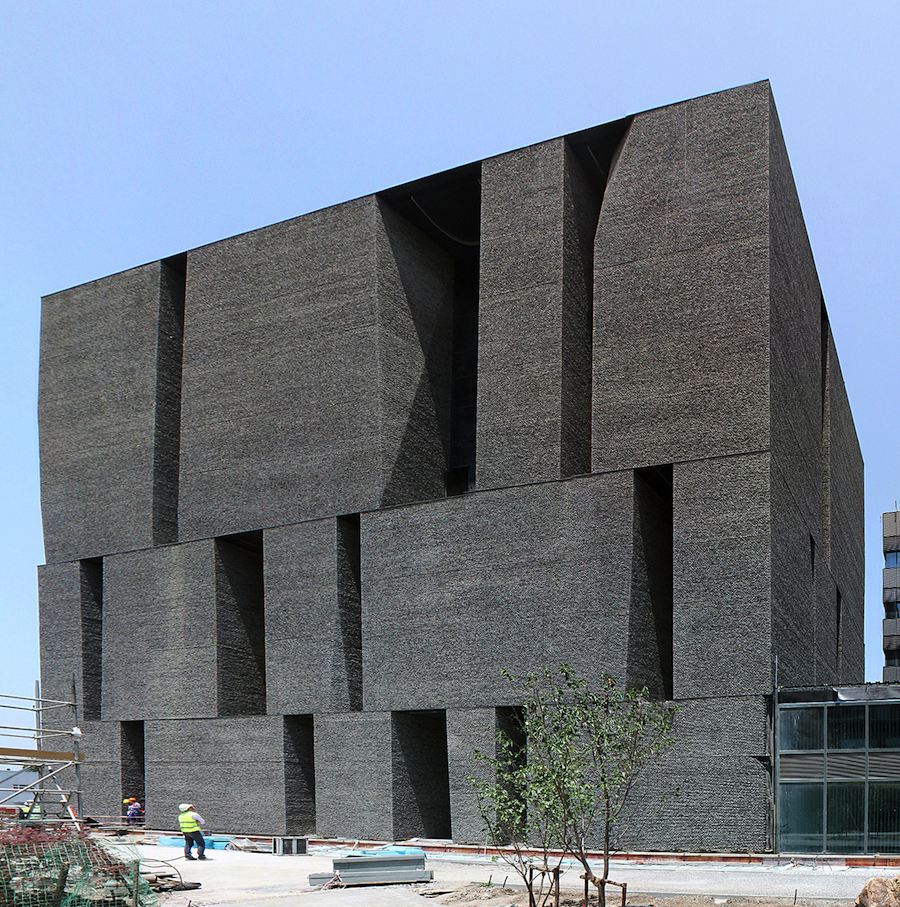
Novartis Office Building, 2015 (under construction), Shanghai, China – Photo by ELEMENTAL.
Photos: courtesy of Elemental and Pritzker Prize.

Constituciòn Tourist loin by Elemental (2015) – Photo by Felipe Diaz Contardo, www.fotoarq.com.





Comments are closed.