Sixteen national pavilions at the 2025 Venice Architecture Biennale. Ukraine Pavilion – Courtesy of Bohdana Kosmina.
Architecture. IntelliGens. Natural Artificial Collective is the theme of the 19th International Architecture Exhibition, curated by Carlo Ratti. From May 10 until November 23, the 2025 Venice Biennale focuses on a new collaborative and multidisciplinary approach that tackles climate change and today’s global issues [Find out more]. Sixty-five national pavilions responded to the theme with human-centred exhibitions.
- RELATED STORIES: Read more about the 2025 Venice Architecture Biennale on Archipanic.
NATURE INTELLIGENCE
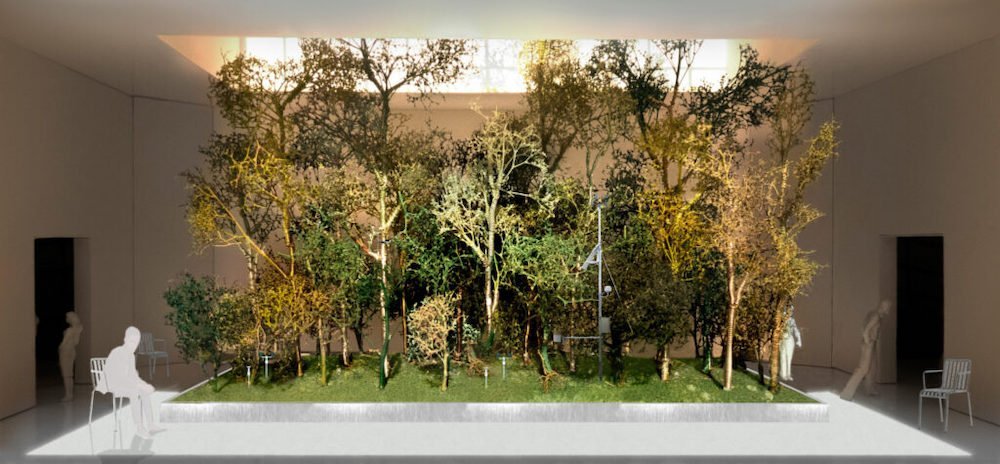
Building Biospheres, Belgium Pavilion at 2025 Venice Architecture Biennale – ©VAI.
Everybody talks about AI, but “there is so much more intelligence in biology, in the environment, in the built environment,” explains Carlo Ratti. The Belgian Pavilion at Giardini, for example, creates a smart greenhouse that adapts to how plants react to their environment. Sensors on the rich vegetation activate devices that control humidity and solar exposure. A responsive architecture co-created with nature.
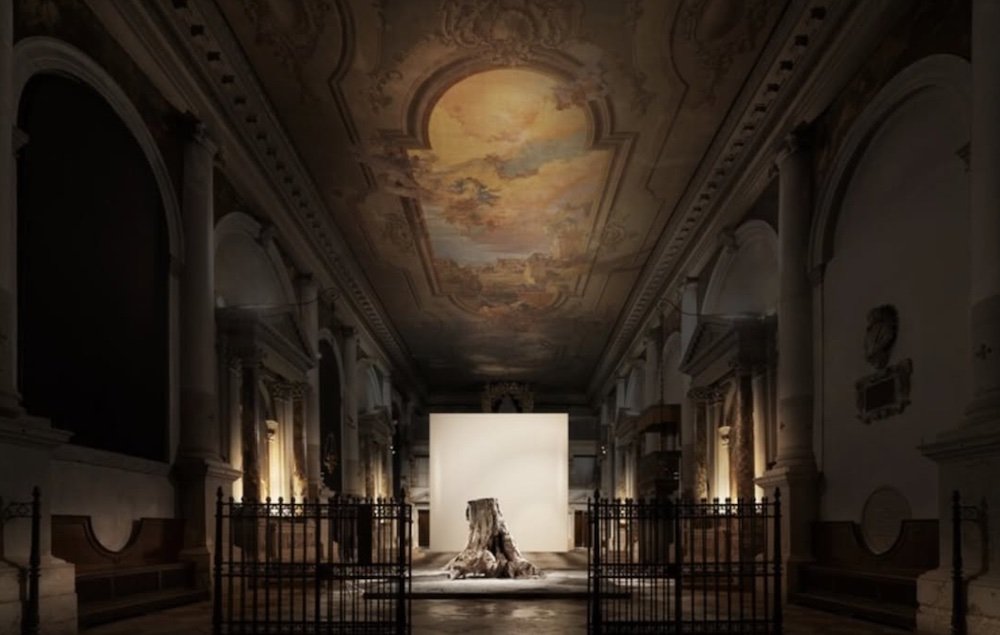
Lithuania Pavilion – Image via IG, follow @aiaftlchapter.
At the Lithuanian Pavilion [Map], trees are not obstacles to construction but co-authors of the built environment. The exhibition critiques greenwashing while advocating for design rooted in indigenous knowledge. At the Canadian Pavilion at Giardini, architecture is not merely constructed but cultivated. The Pikoplanktonics exhibition explores architecture’s relationship with biology, digital fabrication, and ecological systems.

Iceland Pavilion – Image by ©s.ap architects.
The Lavaforming exhibition at the Icelandic Pavilion [Map] investigates lava’s potential as a renewable construction resource capable of supplying sufficient materials to construct entire cities without engaging in detrimental mining or energy processes. The Uruguayan Pavilion at Giardini highlights its water identity with an exhibition, manifesto and an invitation to design cities in tune with water’s natural cycles.

Uruguay Pavilion – Image by SEI FONG Studio.
The STRESSTEST exhibition at the German Pavilion, Giardini, explores the growing threat of climate-related overheating. Drawing on scientific insight and design innovation, STRESSTEST showcases adaptive approaches such as climate-responsive materials, shaded public spaces, and nature-integrated architecture.
COLLECTIVE INTELLIGENCE

Venice Biennale, Gaggiandre at Arsenale – Photo by Andrea Avezzù, courtesy of La Biennale di Venezia.
Collective Intelligence is the effort of a team, community, or society to find solutions, strategies, and innovations to overcome issues. The Italian Pavilion at Arsenale presents TERRÆ AQUÆ, a coral exhibition bringing together architects, innovators, poets and students to rethink our relationship with the sea. A collective engagement re-imagining the waterfront as an urban regeneration project able to transform the coastline for a more livable, accessible and sustainable environment.
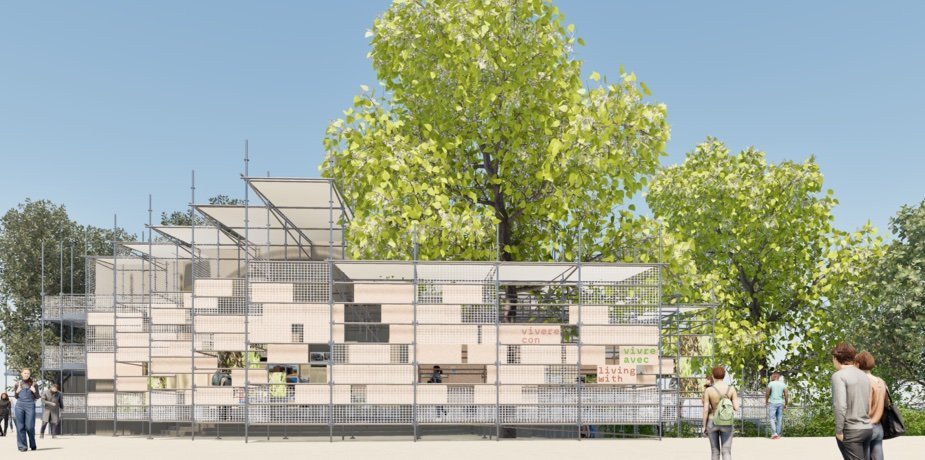
France Pavilion – Image by Jakob+Macfarlane.
Collaboration is the core value defining the French Pavilion at Giardini. The Vivre Avec/Live With exhibition is framed as a collective research initiative, with each participating architecture team proposing ongoing or built sustainable projects. Due to major renovation, Livre Avec is presented as an exterior project crafted from repurposed materials, arranged around the pavilion rather than within.

Poland Pavilion – Courtesy of the pavilion.
The Polish Pavilion at Giardini juxtaposes traditional practices to keep homes safe, like candles on the windowsill protecting from storms or lucky wreaths in construction sites, with contemporary technologies and devices, from security cameras to fire extinguishers. The anthropological exhibition highlights architecture’s enduring mission to create a safe shelter and make its inhabitants feel safe.

Uros’ island on Titicaca lake – © Gihan Tubbeh PROMPERÚ.
The Peruvian Pavilion at Arsenale combines ancestral wisdom and materials from the Uros community of Lake Titicaca, alongside the heritage of the 1988 Uru Expedition, representing a fusion of floating and navigating intelligence. This exhibition highlights resilience, ingenuity, and the relevance of traditional practices in contemporary architecture.
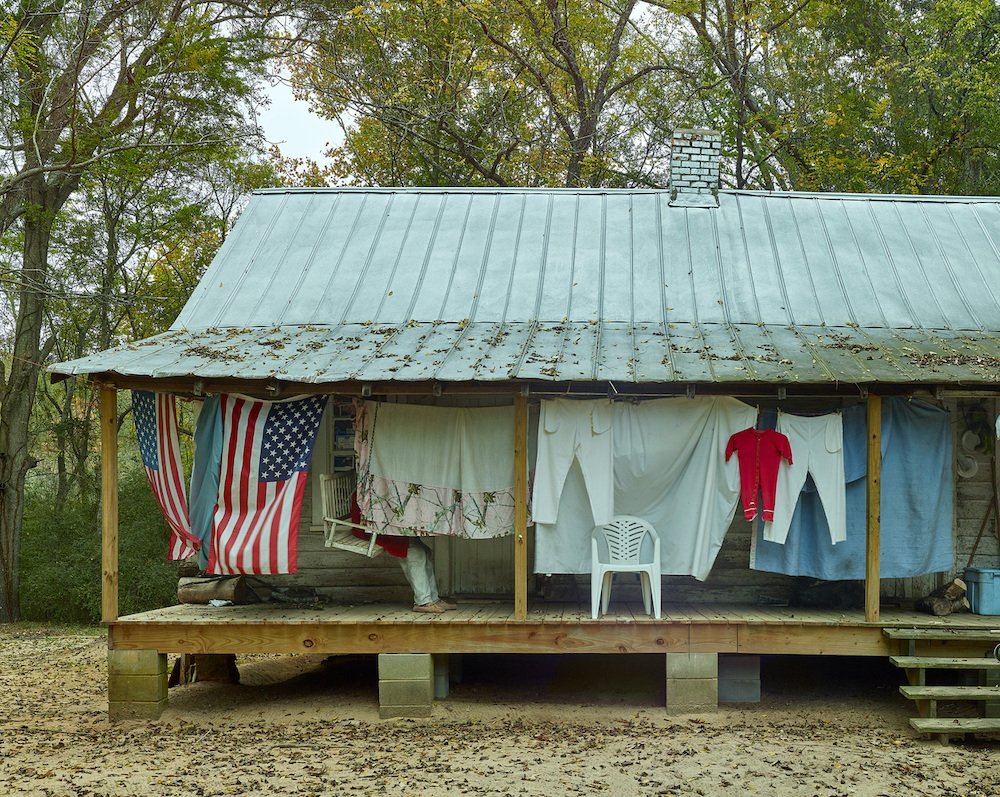
Folsom, Alabama. US Pavilion at 2025 Venice Architecture Biennale – © Timothy Hursley.
The US Pavilion at Giardini examines the porch as a quintessential American architectural element, embodying social connection, environmental adaptability, and cultural hospitality. The Dutch Pavilion at Giardini reimagines the sports bar as a site to question how architecture reinforces or resists exclusion. Titled SIDELINED, the exhibition flips the norms of competitive sport to open up space for empathy, solidarity, and new forms of coexistence.
ARTIFICIAL INTELLIGENCE
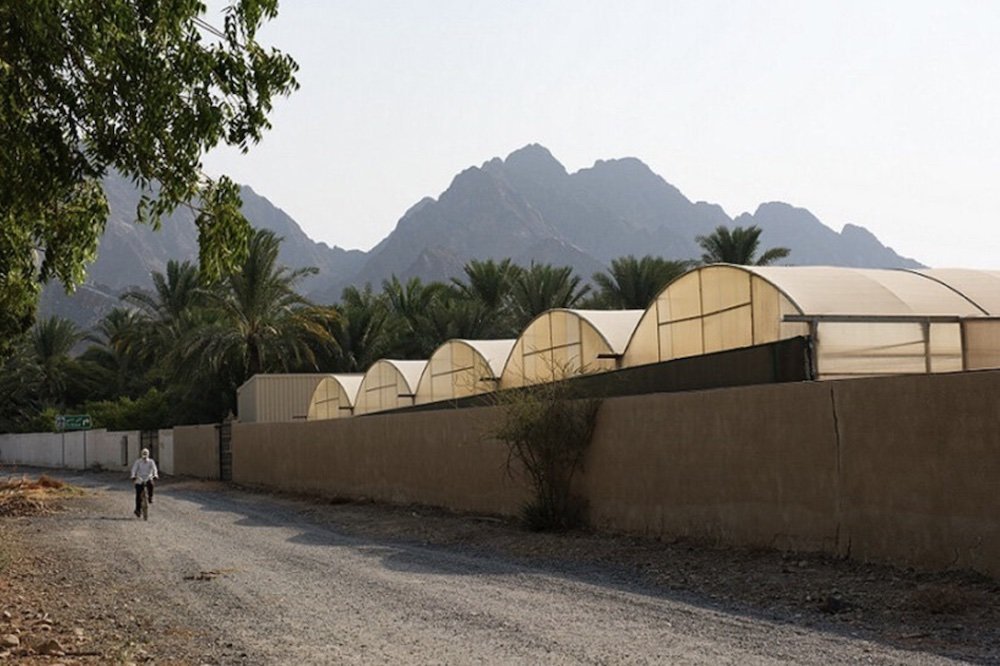
Greenhouses in Hatta, Dubai. Pressure Cooker exhibition at the UAE Pavilion – Photo by Ola Allouz, courtesy of National Pavilion UAE.
Carlo Ratti said that the core of the Biennale is the climate crisis and therefore people. In this perspective, science and technology are never the answer, but the medium to improve our lives and empower our societies through architecture. Pressure Cooker, the United Arab Emirates Pavilion at Arsenale, highlights food-growing infrastructures, from traditional methods to advanced technologies, showcasing greenhouse models for urban integration. It emphasises how architecture, innovation, and sustainability can tackle food security issues.
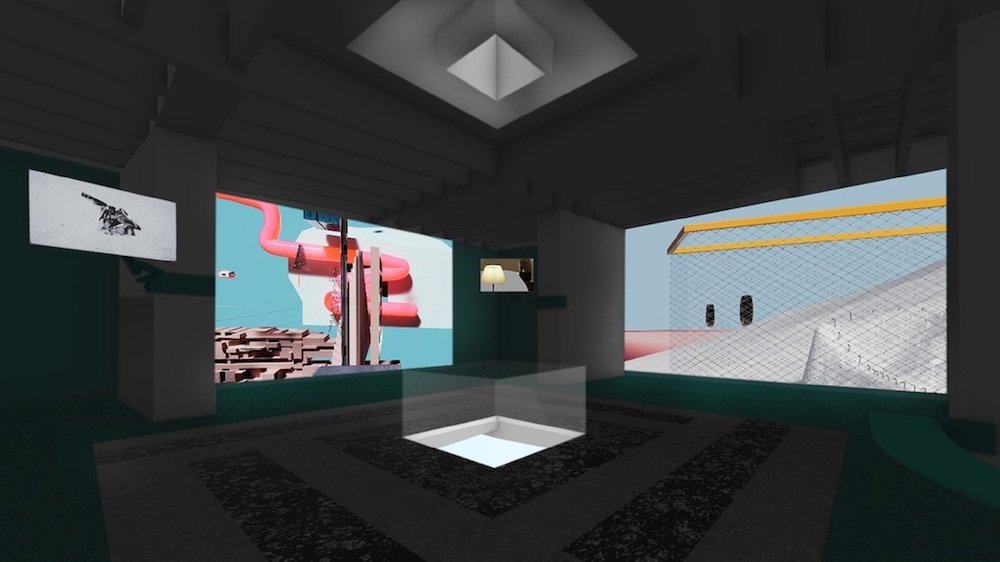
Courtesy f the Japanese Pavilion.
The Japanese Pavilion at Giardini showcases A Future with Generative AI, an exhibition exploring the changing dynamics between human creativity and machine intelligence. Enhanced by AI-assisted processes, the structure transforms into a dynamic prototype, blurring the lines between authorship and algorithms.
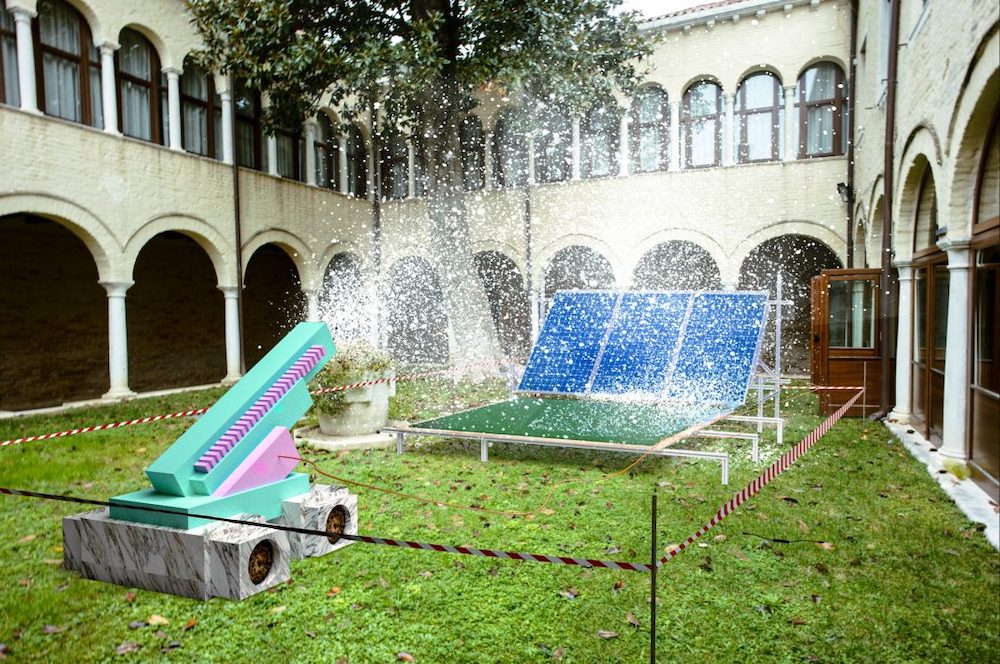
©Pseudonature, Bulgaria Pavilion in Venice – Courtesy of Iassen Markov.
Conversely, the Bulgarian Pavilion [Map] cautions against excessive dependence on Artificial Intelligence by showcasing technological and climate paradoxes. The Pseudonature exhibition features a snow-making machine that generates artificial snow, which ultimately covers the solar panels that supply its power.
WAR TIMES
DAKH Vernacular Hardcore, Ukraine Pavilion – Courtesy of Bohdana Kosmina.
The Russian and Israeli pavilions at Giardini are closed as the countries do not participate in the Biennale. Palestine does not have its own pavilion. The Ukrainian Pavilion combines the traditional ‘heritage vernacular’ of Ukrainian village roofs with the raw, self-built ingenuity of wartime reconstruction. Every aspect of the installation—from ethnographer Tamara Kosmina’s AI avatar to the immersive Drone Canopy—interweaves cultural memory, digital preservation, and community-driven adaptation.
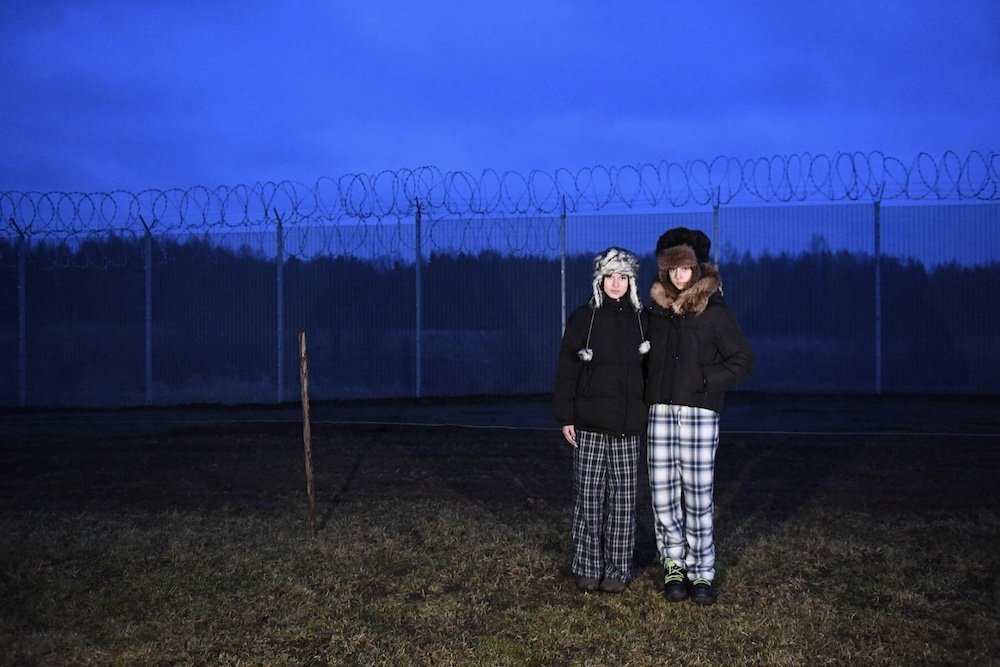
Latvia Pavilion at 2025 Venice Architecture Biennale – Photo by Elīna Kursīte.
The Latvian Pavilion showcases LANDSCAPE OF DEFENCE, a thought-provoking exhibition that delves into the intricate relationship between geopolitical tensions, military infrastructure, and the experiences of individuals living near NATO’s eastern border.