Ukraine Pavilion explores wartime resistance in Venice – Photo by Andrea Avezzù, courtesy of La Biennale di Venezia.
Architecture. What does it mean to create shelter, repair and rebuild under wartime conditions? The Ukraine Pavilion at the 2025 Venice Architecture Biennale juxtaposes the collective wisdom of traditional Ukrainian village housing with the ‘emergency wisdom’ of self-organised reconstruction. Named DAKH/ДАХ: Vernacular Hardcore, the exhibition focuses on resilience and resistance, starting from the roof, Dakh in Ukrainian.
- RELATED STORIES: Read more about the 2025 Venice Architecture Biennale on Archipanic.

Photo by Andrea Avezzù, courtesy of La Biennale di Venezia.
Roofs offer shelter and security, but in wartime, they become the primary target for hostile projectiles. Central to the exhibition is Bogdana Kosmina’s monumental mobile structure crowned by a vernacular pointed roof crafted from straw.
Visitors can find out more about traditional Ukrainian housing through a comprehensive 50-year research conducted by three generations of women architects: Tamara, Oksana, and Bogdana Kosmina. Additionally, guests can also dialogue with the AI avatar of the late architect and ethnographer, Tamara Kosmina.
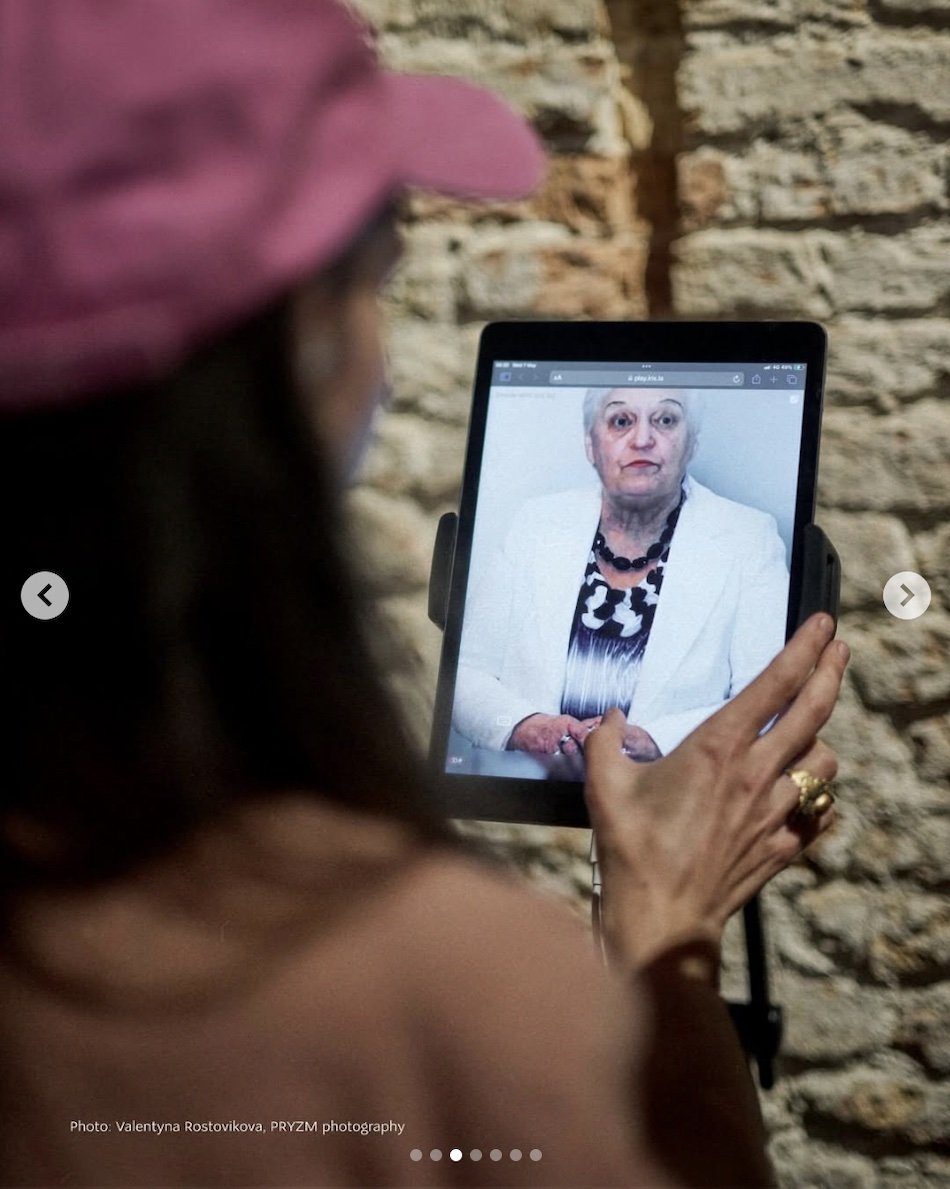
Tamara Kosmina’s AI Avatar – Photo via IG, follow @mfa_ukraine.
The exhibition showcases emergency solutions devised by architects and citizens. Reconstruction collectives Livyj Bereh and KHARPP showcase documentation on the emergency vernacular landscapes shaped by war and repair in the Chernihiv, Kyiv, Kharkiv, Sumy, and Zaporizhzhia regions. Artist and writer Yevgenia Belorusets features a photo essay that captures war-damaged landscapes.
[su_image_carousel source=”media: 43881,43880″ limit=”0″ slides_style=”minimal” crop=”none” spacing=”no” captions=”yes” dots=”no” autoplay=”1″ speed=”immediate”]
But repair and shelter alone are insufficient. “Our message at the Venice Biennale is that talking about architecture is not enough. Reconstruction is impossible without resistance.” Co-curator Michał Murawski told Archipanic. “Rebuilding needs security, weapons, and education. We must talk about empathy and resistance as we can’t afford to be pacifist–That is a privilege for countries under the NATO umbrella.”
“Despite showcasing traditional and emergency wartime solutions as well as individual resistance efforts, we want to highlight the necessity of a vertical organisation. Ukrainians do require cooperation with the state and international support.”
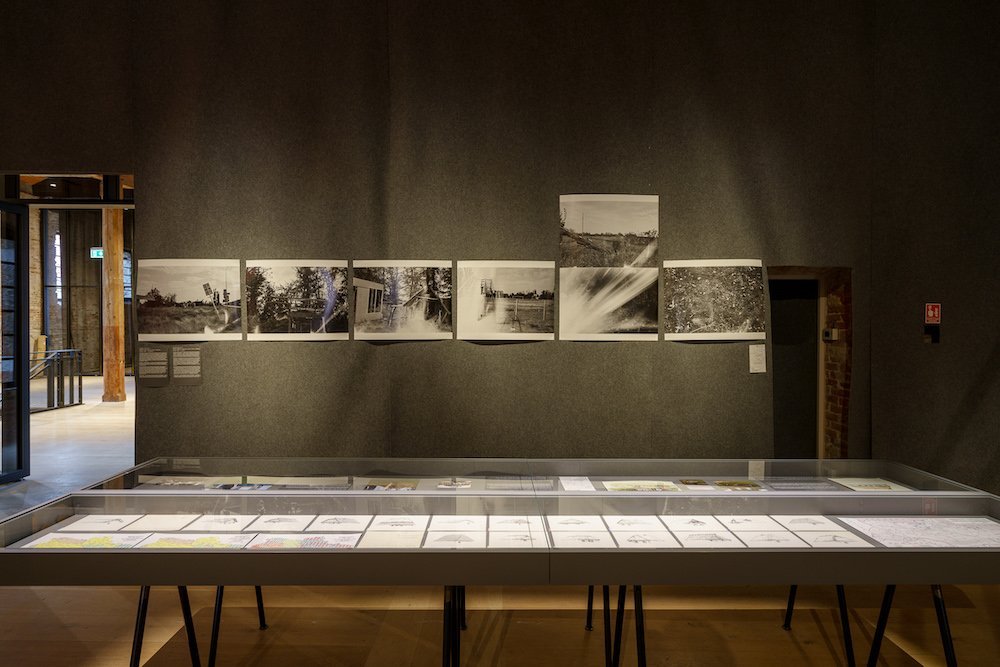
Photo by Andrea Avezzù, courtesy of La Biennale di Venezia.
Curated by Bogdana Kosmina, Michał Murawski, and Kateryna Rusetska, the DAKH: Vernacular Hardcore exhibition is commissioned by Tetyana Filevska, Creative Director of the Ukrainian Institute, in collaboration with co-commissioning bodies, the Ukrainian Institute and RIBBON International. This initiative receives support from the Ministry for Communities and Territories Development of Ukraine, as well as the Ministry of Foreign Affairs of Ukraine.
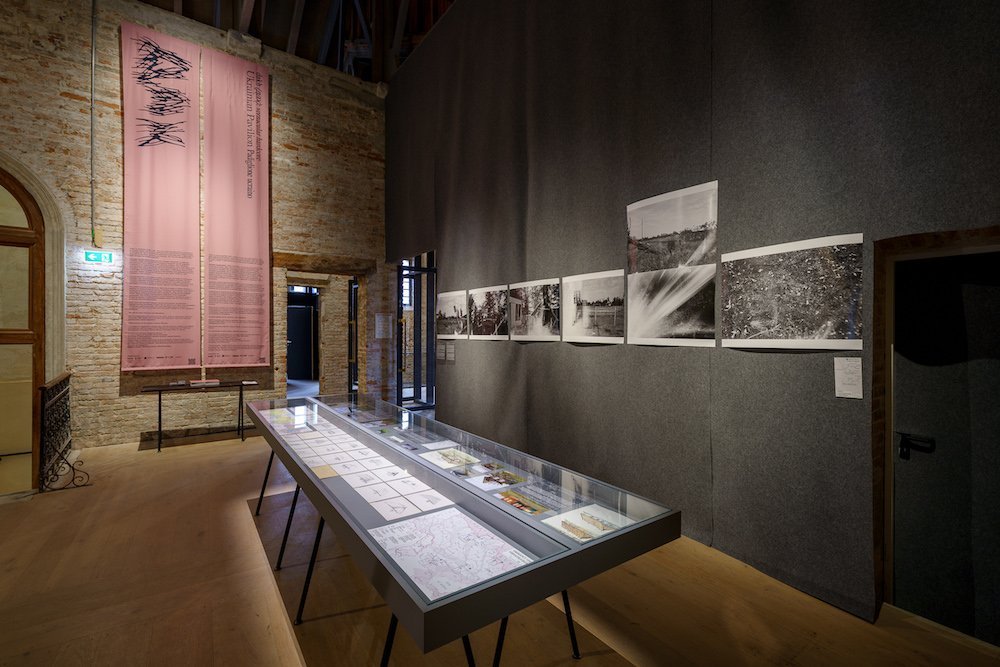
Photo by Andrea Avezzù, courtesy of La Biennale di Venezia.
All photos of the exhibition in Venice are by Andrea Avezzù, courtesy of La Biennale di Venezia.
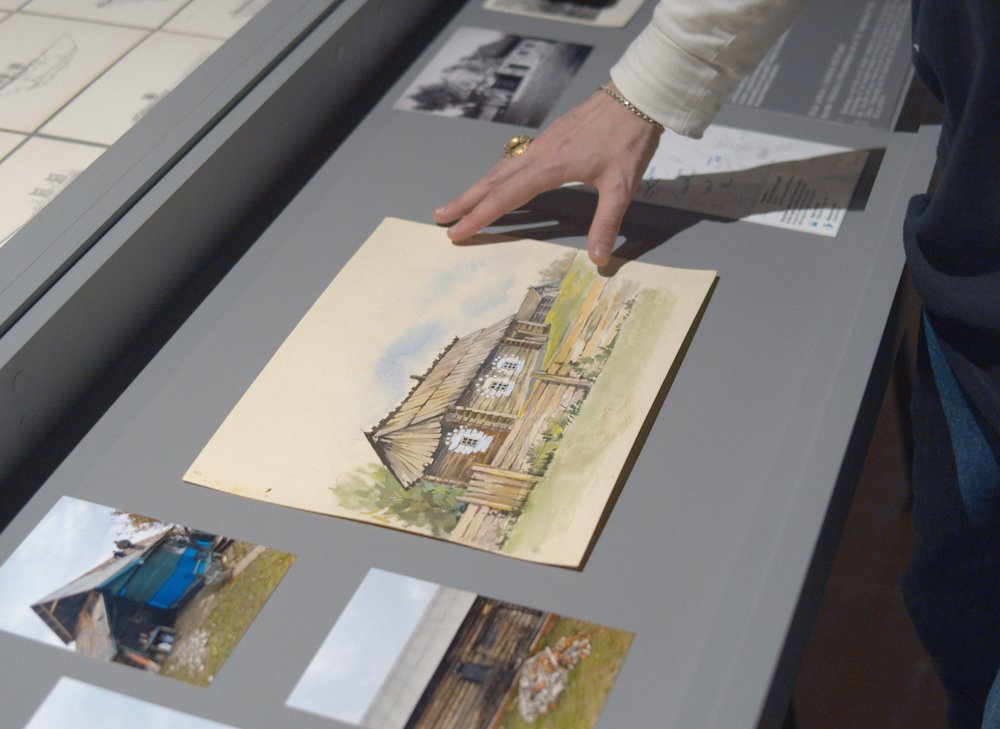
© Maxime Faure, stills from ‘7 days’ video, working title.
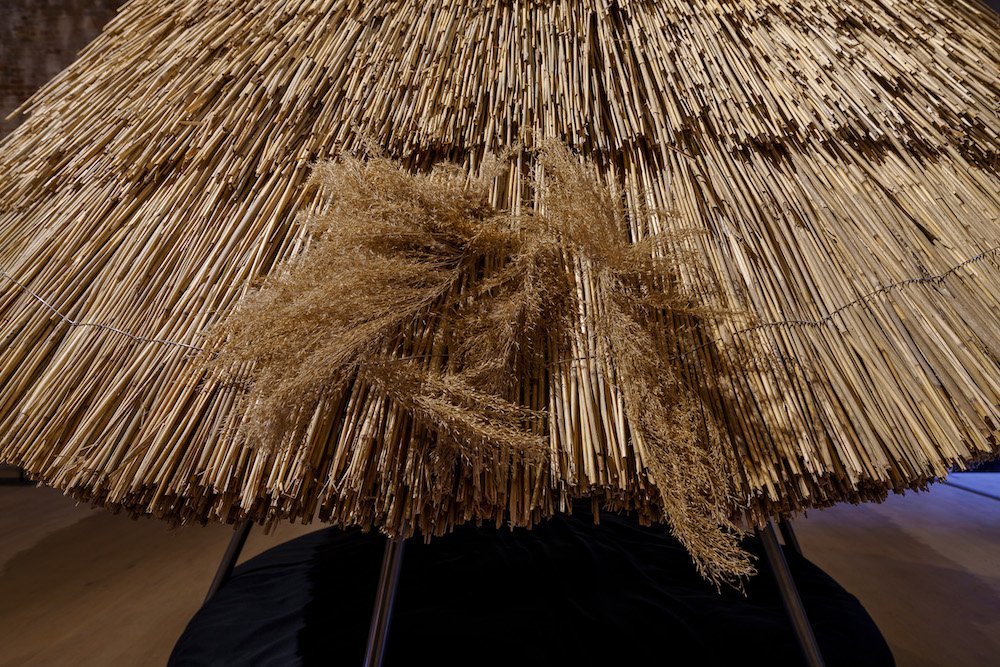
Photo by Andrea Avezzù, courtesy of La Biennale di Venezia.