MAGNIFICAT exhibition presented by Vito Nesta in Milan – All photos are by Andrea Pedretti.
Design. During Milan Design Week, Italian designer Vito Nesta opened the doors of his studio near the Central Station to present Magnificat, an exhibition and an act of devotion to independent design. “All the designers and brands selected for the exhibition share a deep commitment to refined craftsmanship,” explained the exhibition’s curator, Paolo Casicci. “They combine different materials like alchemists. Their pieces create new functions and rituals.”
- RELATED STORIES: Read more about Milan Design Week 2025 on Archipanic.
What does it mean to be independent today? “The focus of this project is independence from industry and mainstream circuits,” explain the organisers. “It does not need to become exclusive, but knows how to escape fashion and the ephemeral.”
The Magnificat exhibition glanced away from artisanal virtuosity just for the sake of it. “We did not want a muscular display.” Continued Casicci. “Even in the independent project, the temptation of the solo is strong: we avoided it by focusing on figures in which the form, even the most extreme, is truly viaticum and substance.”
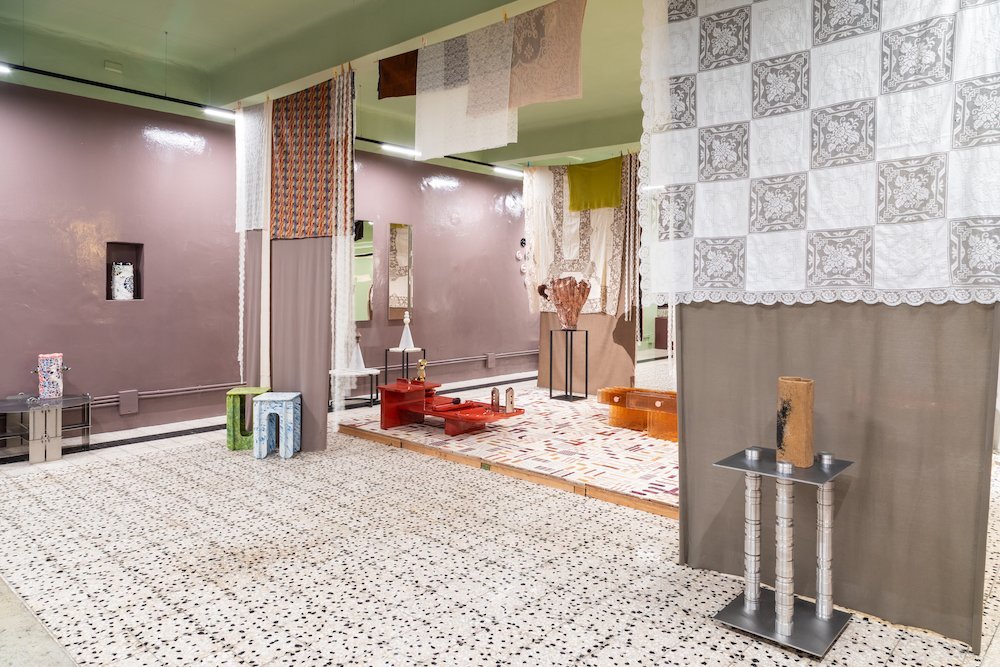
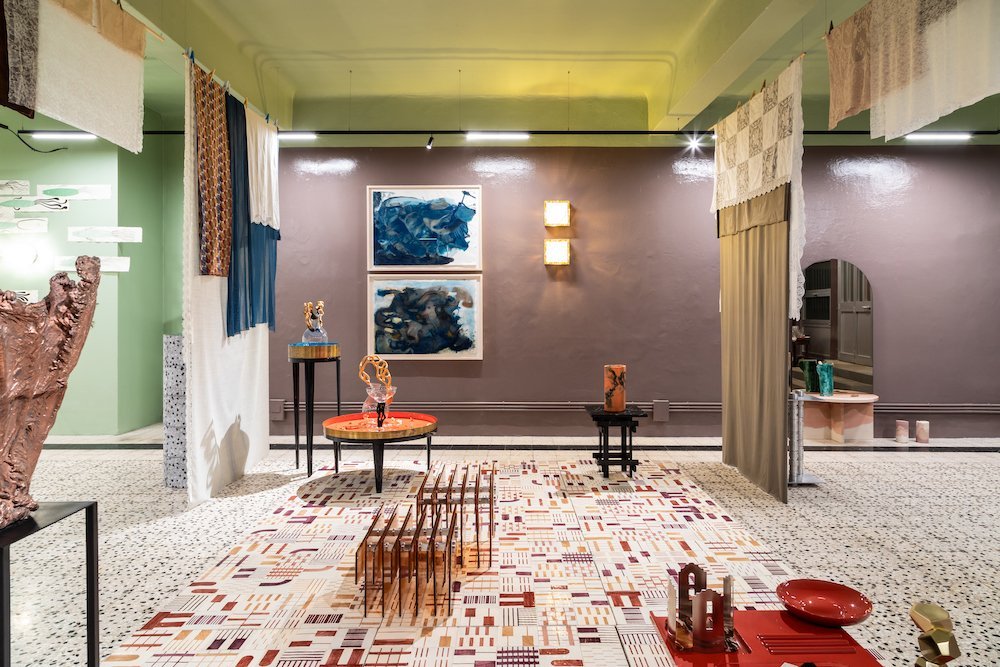
The exhibition’s setting was inspired by the image of a kid running free on a rooftop terrace with drying clothes. It featured fabrics selected by Slow Fiber, a network of Italian companies in the textile and furniture supply chain united to promote sustainability and transparency.
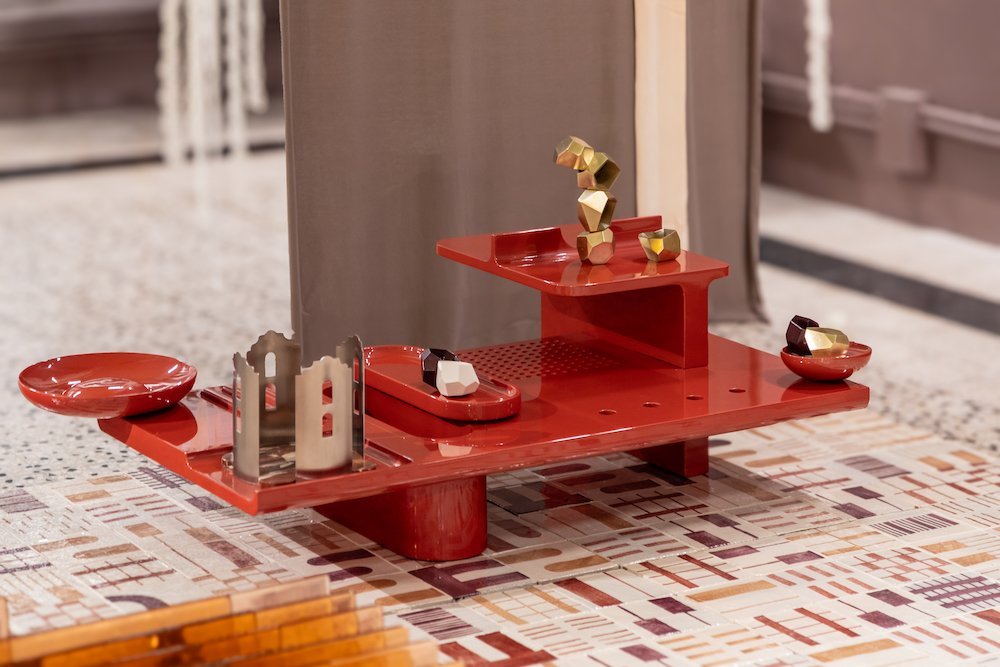
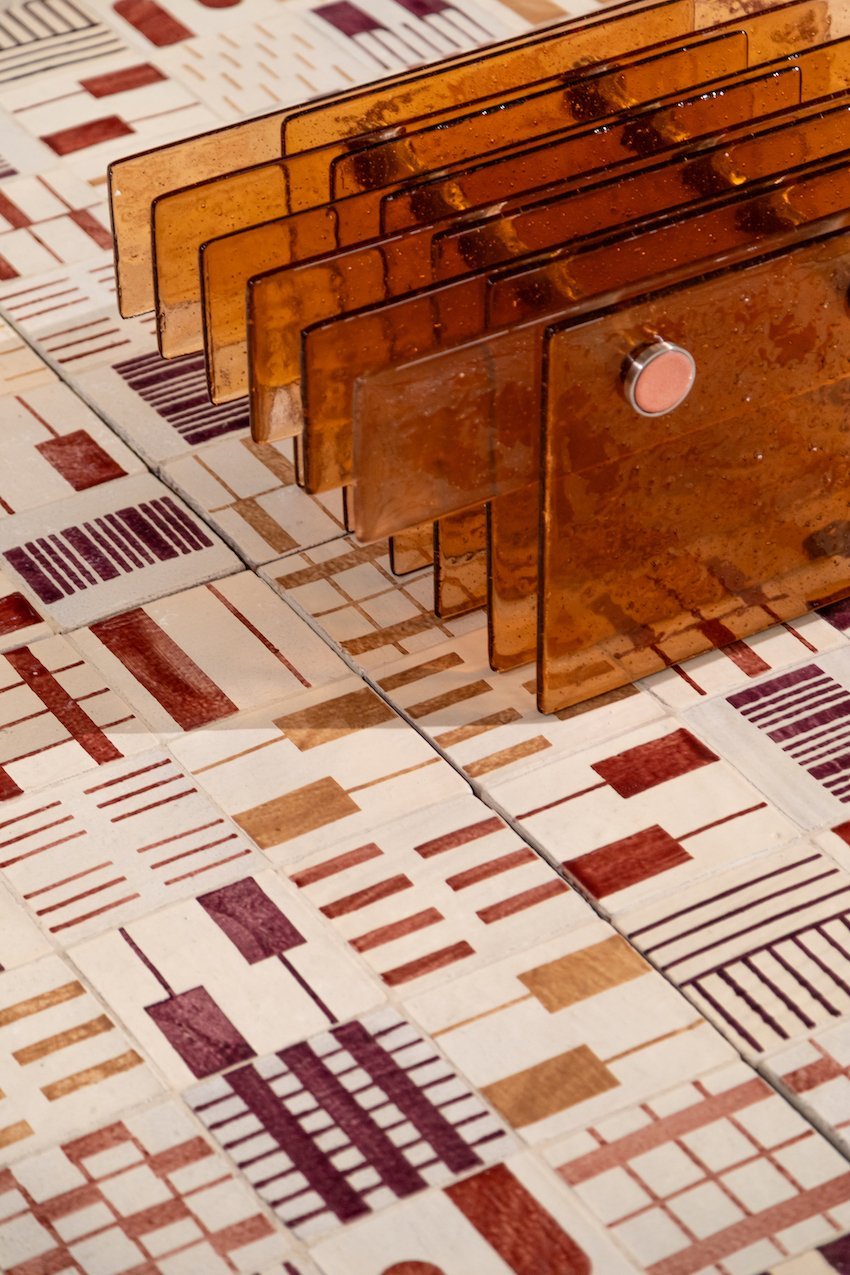
Among the highlights was the red T2 coffee table by Martinelli Venezia for Orografie, which features a glossy landscape of rounded shapes and hollows to support, contain, and display. The Ossimori coffee table by Debonademeo for Incalmi has a comb-like structure of stratified hammered glass and fire-enamelled copper. Margherita Rui presented the Alfabeto terracotta tiles collection for NineFifty, inspired by ceramics from Caltagirone.
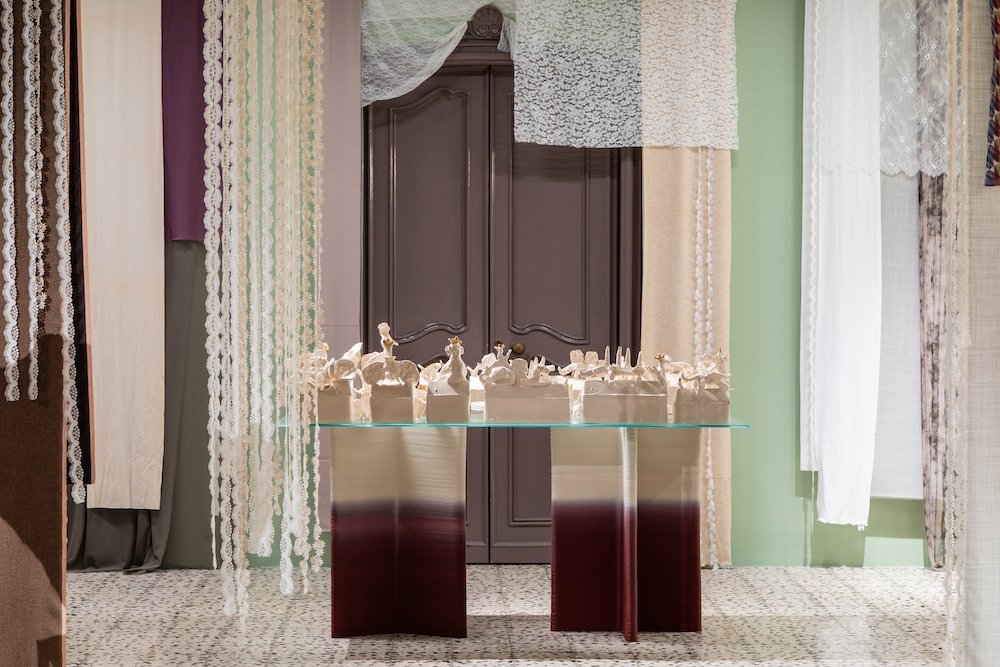
Riccardo Monachesi and Cecilia Valli of Monachesi Valli created an 18th-century-style centrepiece inspired by Noah’s Ark and populated by quirky creatures. Alessandro Gorla teamed up with BlueCycle to create gradient-hued totems and a table, all 3d-printed by recycling discarded fishnets from Greece.
Falegnameria Gori, Smashing Plastic, and Spazioerre upcycled discarded plastic to create circular stools for the reMould project. Giorgio Bena showcased his minimalist Lockwerk coffee table, challenging the stereotypes and limits of self-produced design.
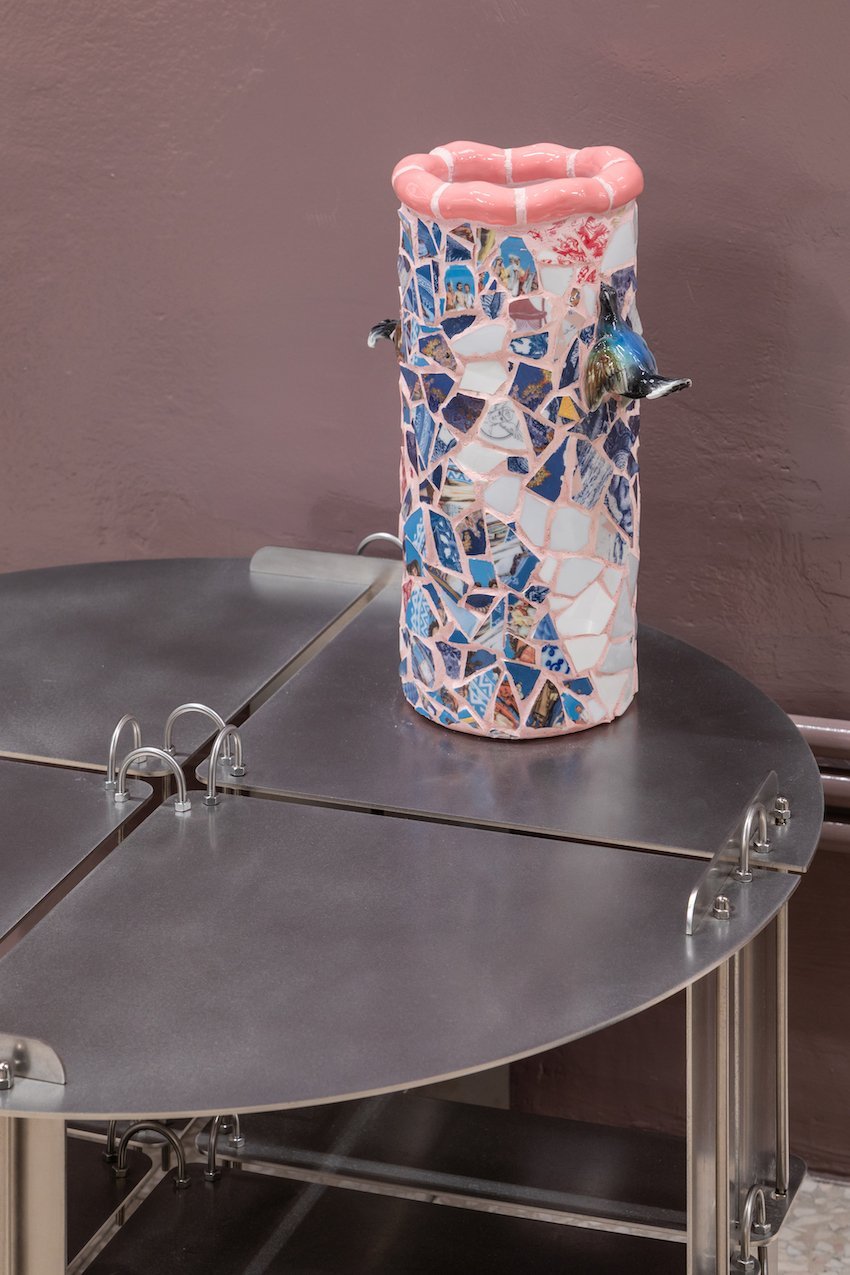
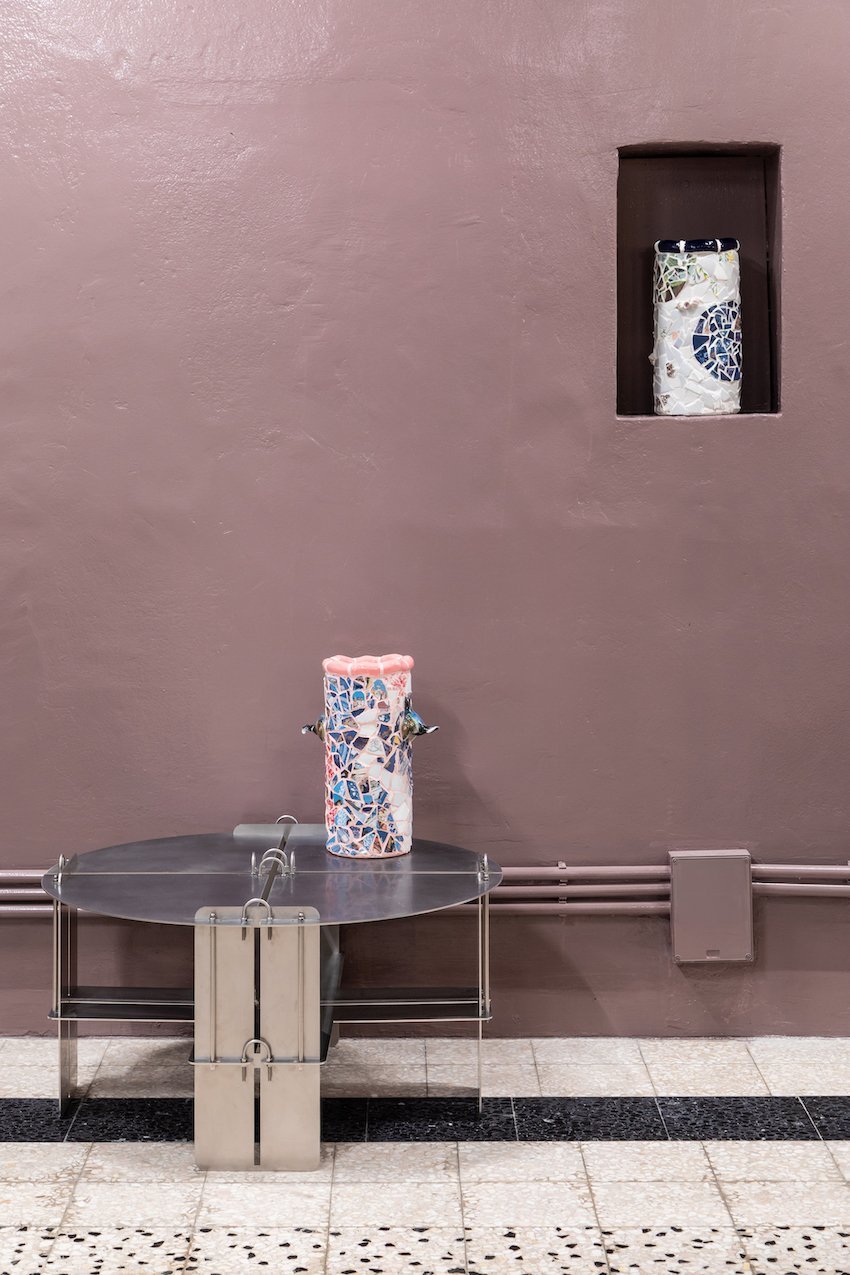
Vito Nesta presented Delcor, a couple of vessels crafted with Antoni Gaudí’s Trencadis technique. This technique uses broken pieces of ceramic tiles, glass, or other materials to create irregular, colourful, and organic designs. “I created the vases to give a new life to a broken ceramic gift from a dear person who passed away,” Nesta told Archipanic.
Magnificat also featured works by Atelier nuanda, Egoundesign, Simone Fanciullacci, Marta Abbot, Atelier Crestani, Wanderart, and more.
All photos are by Andrea Pedretti – Courtesy of Vito Nesta.
[su_image_carousel source=”media: 43566,43561″ limit=”0″ slides_style=”minimal” crop=”none” columns=”2″ spacing=”no” dots=”no” autoplay=”1″ speed=”immediate”]